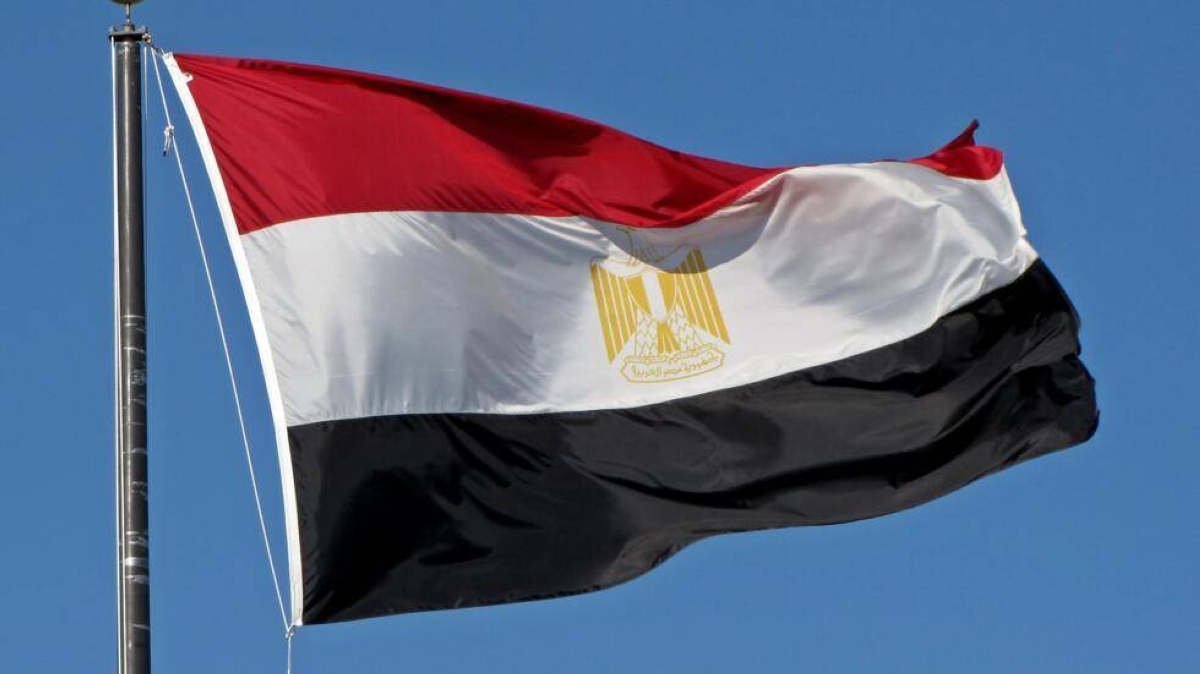
أكدت مصر على الأهمية البالغة لإخلاء منطقة الشرق الأوسط من الأسلحة النووية ومواصلة جهودها نحو تحقيق هذا الهدف الذي يمثل خطوة جوهرية لضمان الأمن والاستقرار على المستويين الإقليمي والدولي، ويسهم في وقف سباق تسلح يهدد السلم والأمن الدوليين والتوصل إلى عالم خال من الأسلحة النووية.
وشددت مصر -في بيان لها- أنها كانت دائماً في طليعة الدول الداعمة لهذه الجهود منذ إطلاق مبادرة إقامة المنطقة الخالية من السلاح النووي عام 1974 في إطار الأمم المتحدة، وهو ما يعكس التزاماً ثابتاً ورؤية إستراتيجية لحماية شعوب المنطقة من مخاطر انتشار السلاح النووي.
وجددت مصر دعوتها الهادفة لتحقيق عالمية معاهدة منع الانتشار النووي، خصوصاً في الشرق الأوسط، وصولاً إلى انضمام دول المنطقة كافة دون استثناء إلى المعاهدة وإخضاع جميع منشآتها النووية لرقابة الوكالة الدولية للطاقة الذرية من خلال اتفاقات الضمانات الشاملة، وبما يضمن الشفافية وعدم تبني معايير مزدوجة في التعامل مع البرامج النووية في منطقة الشرق الأوسط، ويحول دون تزايد التوتر الإقليمي.
وأعربت مصر عن قلقها إزاء التهديد الخطير الذي تواجهه البشرية جراء استمرار وجود الأسلحة النووية، داعية المجتمع الدولي إلى التعامل مع هذا الخطر بكل جدية، والوفاء بمسؤولياته في ضمان التنفيذ الكامل لالتزامات معاهدة عدم الانتشار النووي بشأن نزع السلاح النووي كأحد أركانها الأساسية.
وأكدت مصر أن القرار الصادر عن مؤتمر مراجعة وتمديد معاهدة منع الانتشار النووي عام 1995 بشأن إنشاء منطقة خالية من الأسلحة النووية وأسلحة الدمار الشامل في الشرق الأوسط يُمثل التزاماً دولياً واضحاً، وأن تنفيذه يشكل جزءاً لا يتجزأ من صفقة المد اللانهائي للمعاهدة والحفاظ على مصداقية نظام منع الانتشار النووي برمته.
وتأتي دعوة مصر في سياق التحضيرات للمؤتمر العام الـ69 للوكالة الدولية للطاقة الذرية في فيينا (15-19 سبتمبر)، والذي يناقش قضايا الامتثال للمعاهدة والبرامج النووية في المنطقة، وتترافق هذه الدعوة مع قلق متزايد من تصاعد التوترات الإقليمية، بما في ذلك الصراعات في غزة وسورية، والتوترات بين إسرائيل وإيران والمخاوف من سباق تسلح نووي محتمل.
وتُعد مبادرة إقامة منطقة خالية من الأسلحة النووية وأسلحة الدمار الشامل في الشرق الأوسط ركيزة أساسية في السياسة الخارجية المصرية منذ سبعينيات القرن الماضي، إذ بدأت هذه الدعوة رسمياً عام 1974، عندما قدمت مصر، بالتعاون مع إيران آنذاك، اقتراحاً إلى الجمعية العامة للأمم المتحدة لإنشاء منطقة خالية من الأسلحة النووية في الشرق الأوسط، وهو اقتراح تم تبنيه لاحقاً في قرارات الأمم المتحدة المتكررة.
وجاءت هذه المبادرة في سياق التوترات الإقليمية، خصوصاً بعد حرب أكتوبر 1973، وتزايد المخاوف من انتشار الأسلحة النووية في المنطقة، خصوصاً مع الشكوك حول البرامج النووية لبعض الدول.
وتستند الدعوة المصرية إلى معاهدة منع انتشار الأسلحة النووية، التي دخلت حيز التنفيذ عام 1970، وتهدف إلى منع انتشار الأسلحة النووية، وتعزيز نزع السلاح النووي، وتشجيع الاستخدام السلمي للطاقة النووية، وقد انضمت مصر إلى المعاهدة عام 1981، لكنها أبدت دائماً تحفظات على ما تراه «معايير مزدوجة» في تطبيق المعاهدة، خصوصاً فيما يتعلق بإسرائيل، التي لم توقع على المعاهدة ويُعتقد أنها تمتلك ترسانة نووية غير معلنة، وفق تقديرات مراكز أبحاث دولية مثل معهد ستوكهولم لأبحاث السلام، التي تقدر ترسانتها بما بين 80 إلى 200 رأس نووي.
Egypt has emphasized the utmost importance of making the Middle East free of nuclear weapons and continuing its efforts to achieve this goal, which represents a fundamental step towards ensuring security and stability at both the regional and international levels, and contributes to halting an arms race that threatens international peace and security, leading to a world free of nuclear weapons.
Egypt stressed - in a statement - that it has always been at the forefront of countries supporting these efforts since the launch of the initiative to establish a nuclear-weapon-free zone in 1974 within the framework of the United Nations, which reflects a steadfast commitment and a strategic vision to protect the peoples of the region from the dangers of nuclear proliferation.
Egypt renewed its call aimed at achieving the universality of the Treaty on the Non-Proliferation of Nuclear Weapons, especially in the Middle East, leading to the accession of all countries in the region without exception to the treaty and subjecting all their nuclear facilities to the oversight of the International Atomic Energy Agency through comprehensive safeguard agreements, ensuring transparency and avoiding double standards in dealing with nuclear programs in the Middle East, and preventing the escalation of regional tensions.
Egypt expressed its concern about the serious threat humanity faces due to the continued existence of nuclear weapons, calling on the international community to address this danger with utmost seriousness and to fulfill its responsibilities in ensuring the full implementation of the nuclear disarmament commitments of the Non-Proliferation Treaty as one of its core pillars.
Egypt affirmed that the decision issued by the Review and Extension Conference of the Non-Proliferation Treaty in 1995 regarding the establishment of a nuclear-weapon-free zone and weapons of mass destruction in the Middle East represents a clear international commitment, and its implementation is an integral part of the indefinite extension deal of the treaty and maintaining the credibility of the entire non-proliferation regime.
Egypt's call comes in the context of preparations for the 69th General Conference of the International Atomic Energy Agency in Vienna (September 15-19), which discusses issues of compliance with the treaty and nuclear programs in the region. This call is accompanied by increasing concern over escalating regional tensions, including conflicts in Gaza and Syria, and tensions between Israel and Iran, along with fears of a potential nuclear arms race.
The initiative to establish a nuclear-weapon-free zone and weapons of mass destruction in the Middle East has been a fundamental pillar of Egyptian foreign policy since the 1970s. This call officially began in 1974 when Egypt, in cooperation with Iran at the time, proposed to the United Nations General Assembly the establishment of a nuclear-weapon-free zone in the Middle East, a proposal that was later adopted in repeated United Nations resolutions.
This initiative came in the context of regional tensions, especially after the October War of 1973, and increasing fears of nuclear proliferation in the region, particularly with doubts surrounding the nuclear programs of certain countries.
The Egyptian call is based on the Treaty on the Non-Proliferation of Nuclear Weapons, which entered into force in 1970, aimed at preventing the spread of nuclear weapons, promoting nuclear disarmament, and encouraging the peaceful use of nuclear energy. Egypt joined the treaty in 1981, but has always expressed reservations about what it sees as "double standards" in the application of the treaty, especially concerning Israel, which has not signed the treaty and is believed to possess an undeclared nuclear arsenal, according to estimates from international research centers such as the Stockholm International Peace Research Institute, which estimates its arsenal to be between 80 to 200 nuclear warheads.