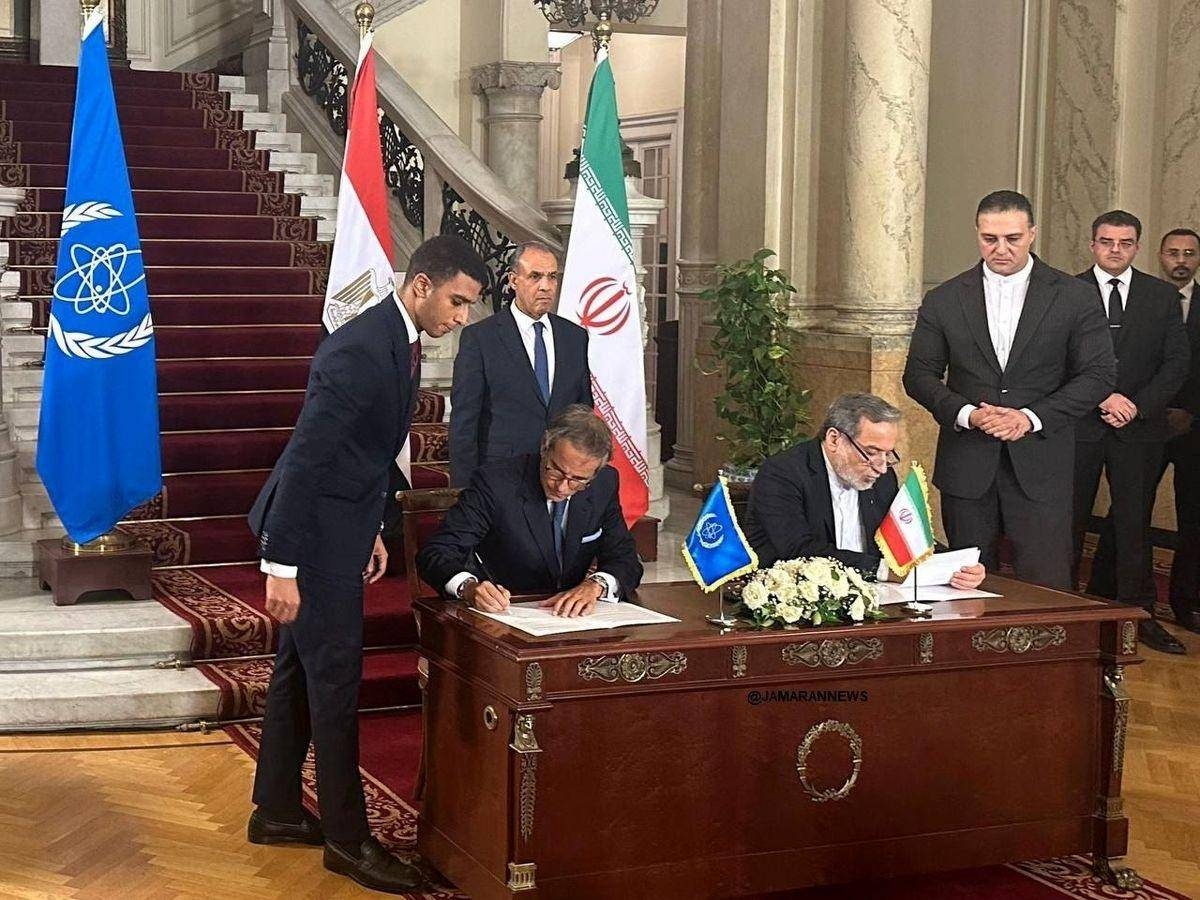
في تطور دبلوماسي مثير للدهشة، وُقِّع أمس (الثلاثاء) في القاهرة اتفاق بين إيران والوكالة الدولية للطاقة الذرية بشأن «آلية عملية للتعامل»، في ظل الظروف الجديدة الناتجة عن الهجمات التي شنتها الولايات المتحدة وإسرائيل على المنشآت النووية الإيرانية في يونيو الماضي.
وجاء الاتفاق خلال اجتماع ثلاثي جمع وزير الخارجية الإيراني عباس عراقجي، ووزير الخارجية المصري بدر عبدالعاطي، والمدير العام للوكالة رافائيل غروسي، في قصر التحرير بالقاهرة، بهدف إعادة إحياء التعاون الذي توقف بعد الحرب الإسرائيلية-الإيرانية القصيرة، إذ أعلن غروسي عبر حسابه على منصة «إكس» قائلاً: «في القاهرة اليوم، اتفقنا مع وزير الخارجية الإيراني على آليات عملية لاستئناف أنشطة التفتيش في إيران».
من جهته، أكد عراقجي أن الاتفاق يمثل «خطوة إيجابية نحو استعادة الثقة»، مشدداً على أن إيران ملتزمة ببرنامجها النووي السلمي، لكنه يتطلب ضمانات دولية ضد الهجمات المستقبلية، ووصف الاتفاق بأنه يركز على إعادة التفتيش على المنشآت النووية الإيرانية، بما في ذلك تلك التي تضررت من الهجمات، مع النظر في آليات للتعامل مع الظروف الجديدة الناتجة عن الدمار الناجم عن الضربات الأمريكية والإسرائيلية، التي وصفتها إيران بـ«غير القانونية والعدوانية».
الاتفاق يأتي في وقت حساس
من جانبه، أوضح غروسي أن الاتفاق «يفتح الباب لاستئناف العمل الإلزامي بموجب اتفاقية الضمانات الشاملة»، مع التركيز على السلامة النووية والأمن، إذ يأتي هذا الاتفاق في وقت حساس، بعدما أعلنت الدول الأوروبية الكبرى (فرنسا وألمانيا وبريطانيا) في أواخر أغسطس عن بدء آلية «الإجراء التلقائي» لإعادة فرض عقوبات الأمم المتحدة على إيران، بعد أن أعلنت إيران تعليق تعاونها الكامل مع الوكالة في 2 يوليو، رداً على الهجمات.
ويُعد برنامج إيران النووي مصدر توتر دولي مستمر منذ عقود، إذ وقّعت إيران على معاهدة عدم انتشار الأسلحة النووية في 1968 كدولة غير نووية، وتؤكد أن برنامجها سلمي، ومع ذلك، أدى الانسحاب الأمريكي من الخطة الشاملة المشتركة للعمل في 2018 تحت إدارة الرئيس دونالد ترمب إلى تصعيد الأزمة، إذ فرضت الولايات المتحدة عقوبات إضافية، ما دفع إيران إلى تجاوز حدود الاتفاق تدريجياً منذ 2019، بما في ذلك إثراء اليورانيوم إلى 60%، وهو مستوى قريب من الدرجة العسكرية (90%).
رعاية مصرية لتوقيع اتفاق التعاون.
خسائر بشرية في الحرب
ووفقاً لتقارير الوكالة في مايو بلغ مخزون إيران 9874 كيلوغراماً، بما في ذلك أكثر من 408 كيلوغرامات عالية الإثراء، كافية لصنع 9 قنابل نووية إذا تم تطويرها، وتصاعد التوتر في العام الجاري مع تقارير استخباراتية أمريكية في فبراير تشير إلى أن إسرائيل تخطط لضرب المنشآت النووية الإيرانية، ووصفت إيران بأنها «على عتبة السلاح النووي»، رغم نفي الولايات المتحدة لذلك في تقريرها السنوي في مارس، الذي أكد أن إيران علقت برنامجها العسكري في 2003.
ورغم ذلك شنت إسرائيل في 13 يونيو هجوماً مفاجئاً على عشرات المنشآت النووية والعسكرية الإيرانية، بما في ذلك نطنز وإصفهان وفوردو، مستخدمة أكثر من 200 طائرة مقاتلة، ما أسفر عن مقتل علماء نوويين ومسؤولين عسكريين كبار، وفقاً لتقارير إسرائيلية، وردت إيران بإطلاق صواريخ وطائرات دون طيار على إسرائيل، ما أدى إلى مقتل 29 إسرائيلياً.
خطوة حاسمة لتجنب تصعيد نووي
ويُعد هذا الاتفاق خطوة حاسمة لتجنب تصعيد نووي، إذ يسمح باستئناف التفتيش، لكنه يعتمد على «الثقة المتبادلة»، كما قال غروسي، الذي حذر في يونيو من أن الهجمات «تهدد نظام عدم الانتشار العالمي»، فيما أكدت إيران أنها «لن تتخلى عن حقها في الطاقة النووية السلمية»، مطالبة بتعويضات عن الدمار، الذي قدرت تقارير استخباراتية أمريكية أنه أبطأ البرنامج بـ1-2 سنوات، أما الولايات المتحدة، فأعربت عن «ترحيبها الحذر»، لكنها شددت على ضرورة «التزام إيران الكامل»، بينما حذرت إسرائيل من أن أي تقدم نووي إيراني «سيواجه برد قوي».
In a surprising diplomatic development, an agreement was signed yesterday (Tuesday) in Cairo between Iran and the International Atomic Energy Agency regarding a "practical mechanism for engagement," in light of the new circumstances resulting from the attacks launched by the United States and Israel on Iranian nuclear facilities last June.
The agreement came during a trilateral meeting that included Iranian Foreign Minister Abbas Araghchi, Egyptian Foreign Minister Badr Abdelatty, and the agency's Director General Rafael Grossi, at the Liberation Palace in Cairo, aiming to revive cooperation that had ceased after the short Israeli-Iranian war. Grossi announced via his account on the "X" platform, saying: "In Cairo today, we agreed with the Iranian Foreign Minister on practical mechanisms to resume inspection activities in Iran."
For his part, Araghchi confirmed that the agreement represents a "positive step towards restoring trust," emphasizing that Iran is committed to its peaceful nuclear program, but it requires international guarantees against future attacks. He described the agreement as focusing on the resumption of inspections of Iranian nuclear facilities, including those damaged by the attacks, while considering mechanisms to address the new circumstances resulting from the destruction caused by the American and Israeli strikes, which Iran described as "illegal and aggressive."
The agreement comes at a sensitive time
For his part, Grossi clarified that the agreement "opens the door for the resumption of mandatory work under the comprehensive safeguards agreement," with a focus on nuclear safety and security. This agreement comes at a sensitive time, after the major European countries (France, Germany, and Britain) announced in late August the initiation of the "automatic trigger" mechanism to reimpose United Nations sanctions on Iran, following Iran's announcement of a complete suspension of its cooperation with the agency on July 2, in response to the attacks.
Iran's nuclear program has been a source of ongoing international tension for decades, as Iran signed the Treaty on the Non-Proliferation of Nuclear Weapons in 1968 as a non-nuclear state, asserting that its program is peaceful. However, the U.S. withdrawal from the Joint Comprehensive Plan of Action in 2018 under President Donald Trump escalated the crisis, as the United States imposed additional sanctions, prompting Iran to gradually exceed the limits of the agreement since 2019, including enriching uranium to 60%, a level close to military grade (90%).
رعاية مصرية لتوقيع اتفاق التعاون.
Human losses in the war
According to agency reports in May, Iran's stockpile reached 9,874 kilograms, including over 408 kilograms of highly enriched uranium, sufficient to make 9 nuclear bombs if developed. Tensions escalated this year with U.S. intelligence reports in February indicating that Israel was planning to strike Iranian nuclear facilities, with Iran described as "on the brink of nuclear weapons," despite U.S. denial in its annual report in March, which confirmed that Iran suspended its military program in 2003.
Nevertheless, Israel launched a surprise attack on June 13 on dozens of Iranian nuclear and military facilities, including Natanz, Isfahan, and Fordow, using over 200 fighter jets, resulting in the deaths of nuclear scientists and senior military officials, according to Israeli reports. Iran responded by launching missiles and drones at Israel, resulting in the deaths of 29 Israelis.
A crucial step to avoid nuclear escalation
This agreement is a crucial step to avoid nuclear escalation, as it allows for the resumption of inspections, but it relies on "mutual trust," as Grossi stated, who warned in June that the attacks "threaten the global non-proliferation regime." Meanwhile, Iran confirmed that it "will not give up its right to peaceful nuclear energy," demanding compensation for the destruction, which U.S. intelligence reports estimated had slowed the program by 1-2 years. The United States expressed a "cautious welcome," but emphasized the need for "Iran's full compliance," while Israel warned that any Iranian nuclear advancement "will face a strong response."