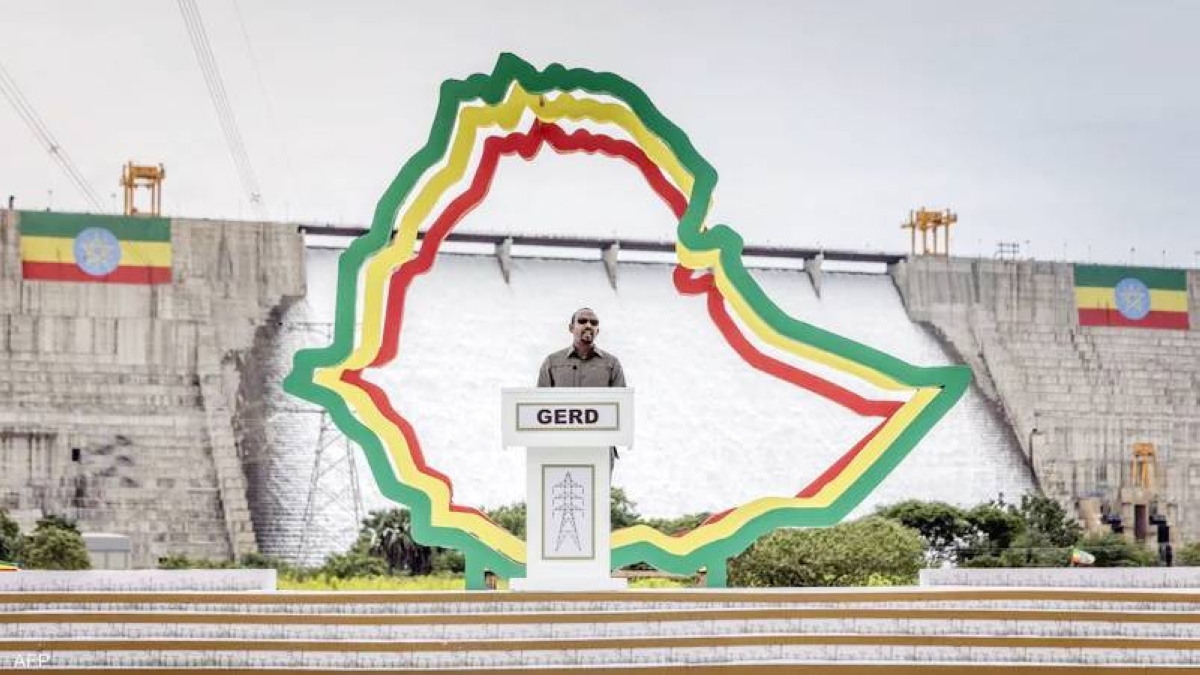
شكت مصر، اليوم (الثلاثاء)، إثيوبيا إلى مجلس الأمن الدولي التابع للأمم المتحدة على خلفية إعلان رئيس الوزراء آبي أحمد افتتاح سد النهضة، واصفة ذلك بالمخالف للقانون الدولي.
ووجه وزير الخارجية المصري بدر عبدالعاطي خطاباً رسمياً إلى رئيس مجلس الأمن الدولي، كتب فيه أن السد الإثيوبي يمثل إجراءً أُحادياً لا يستند إلى أي شرعية قانونية، ولن نغض الطرف عن مصالحنا الوجودية بنهر النيل، مشدداً على أن محاولات إثيوبيا إضفاء قبول دولي على المشروع هي مساعٍ واهية لا تغير من حقيقة مخالفته للأعراف الدولية.
خرقاً جديداً
وأضاف عبدالعاطي أن التصرفات الإثيوبية الأخيرة تشكل خرقاً جديداً يضاف إلى سلسلة من الانتهاكات، من بينها تجاهل البيان الرئاسي الصادر عن مجلس الأمن في 15 سبتمبر 2021، ونحتفظ بحقنا في اتخاذ كل التدابير لحماية مصالحنا الوجودية.
وكان رئيس الوزراء الإثيوبي آبي أحمد، وفي وقت سابق اليوم، أعلن رسمياً العمل في سد النهضة بعد انتهاء أعمال البناء، مؤكداً أن السد لن يؤثر على أحد.
وأعلن آبي أحمد افتتاح السد الذي لا يزال موضوع خلاف بين مصر والسودان من جهة وإثيوبيا من جهة أخرى، مؤكداً أن السد إنجاز عظيم ليس فقط لإثيوبيا.
وقال رئيس الوزراء الإثيوبي: «السد يظهر أننا قادرون على تحقيق كل ما نخطط له»، متوجهاً إلى دول الجوار بالقول إن «إثيوبيا أنجزت مشروع سدّ النهضة الكبير من أجل المجتمعات السوداء. هذا لن يؤثر على الإطلاق على تنميتكم».
لا تهديد لمصر والسودان
وجدد رئيس الوزراء الإثيوبي آبي أحمد طمأنته لجيرانه، مؤكداً أن السد لا يشكّل تهديداً لأي من مصر والسودان.
وأشار إلى أن بلاده تستخدم موارد النهر العابر للحدود بشكل محدود فقط ولم تأخذ شيئاً لا يخصها، مبيناً أن إثيوبيا ستستخدم الطاقة لتحسين وصول الكهرباء إلى المواطنين مع تصدير الفائض إلى المنطقة.
موارد مائية
يذكر أن مصر تعتمد بشكل شبه كامل على مياه نهر النيل، إذ تبلغ مواردها المائية نحو 60 مليار متر مكعب سنوياً، يأتي معظمها من النيل 55.5 مليار متر مكعب (نحو 90%)، أما السودان، فتقدر الموارد المائية سنوياً بنحو 38 مليار متر مكعب، عبارة عن 18.5 من النيل الأزرق، والباقي من الأنهار الأخرى، والسيول، بالإضافة إلى المياه الجوفية.
وبدأ بناء السد في عام 2011، ومن المفترض أن يرتفع توليد الطاقة في نهاية المطاف إلى 5150 ميغاوات من 750 ميغاوات ينتجها توربينان يعملان بالفعل.
وتصر إثيوبيا على أن المشروع حق سيادي، ومضت قدما في تنفيذه. وبدأت في عام 2020 في ملء الخزان على مراحل، بينما كانت تقول إن السد لن يلحق ضرراً كبيراً بدولتي المصب.
Egypt, today (Tuesday), complained to the United Nations Security Council about Ethiopia following the announcement by Prime Minister Abiy Ahmed of the inauguration of the Grand Ethiopian Renaissance Dam, describing it as a violation of international law.
The Egyptian Foreign Minister, Badr Abdel Atti, sent an official letter to the President of the Security Council, stating that the Ethiopian dam represents a unilateral action that lacks any legal legitimacy, and we will not turn a blind eye to our existential interests in the Nile River, emphasizing that Ethiopia's attempts to gain international acceptance for the project are futile efforts that do not change the fact that it violates international norms.
A New Violation
Abdel Atti added that the recent Ethiopian actions constitute a new violation added to a series of infringements, including ignoring the presidential statement issued by the Security Council on September 15, 2021, and we reserve the right to take all measures to protect our existential interests.
Earlier today, Ethiopian Prime Minister Abiy Ahmed officially announced the commencement of operations at the Grand Ethiopian Renaissance Dam after the completion of construction, asserting that the dam will not affect anyone.
Abiy Ahmed announced the opening of the dam, which remains a subject of dispute between Egypt and Sudan on one side and Ethiopia on the other, confirming that the dam is a great achievement not only for Ethiopia.
The Ethiopian Prime Minister stated: "The dam shows that we are capable of achieving everything we plan," addressing neighboring countries by saying that "Ethiopia has completed the Grand Renaissance Dam project for the benefit of the black communities. This will not affect your development at all."
No Threat to Egypt and Sudan
The Ethiopian Prime Minister, Abiy Ahmed, reiterated his reassurance to his neighbors, confirming that the dam does not pose a threat to either Egypt or Sudan.
He pointed out that his country uses the transboundary river resources only in a limited manner and has not taken anything that does not belong to it, indicating that Ethiopia will use the energy to improve electricity access for citizens while exporting the surplus to the region.
Water Resources
It is worth noting that Egypt relies almost entirely on the waters of the Nile River, with its water resources amounting to about 60 billion cubic meters annually, most of which comes from the Nile at 55.5 billion cubic meters (about 90%). As for Sudan, its annual water resources are estimated at about 38 billion cubic meters, consisting of 18.5 billion from the Blue Nile, with the remainder from other rivers, floods, in addition to groundwater.
The construction of the dam began in 2011, and the power generation is expected to eventually rise to 5,150 megawatts from the 750 megawatts currently produced by two turbines that are already operational.
Ethiopia insists that the project is a sovereign right and has proceeded with its implementation. It began filling the reservoir in stages in 2020, while claiming that the dam would not cause significant harm to the downstream countries.