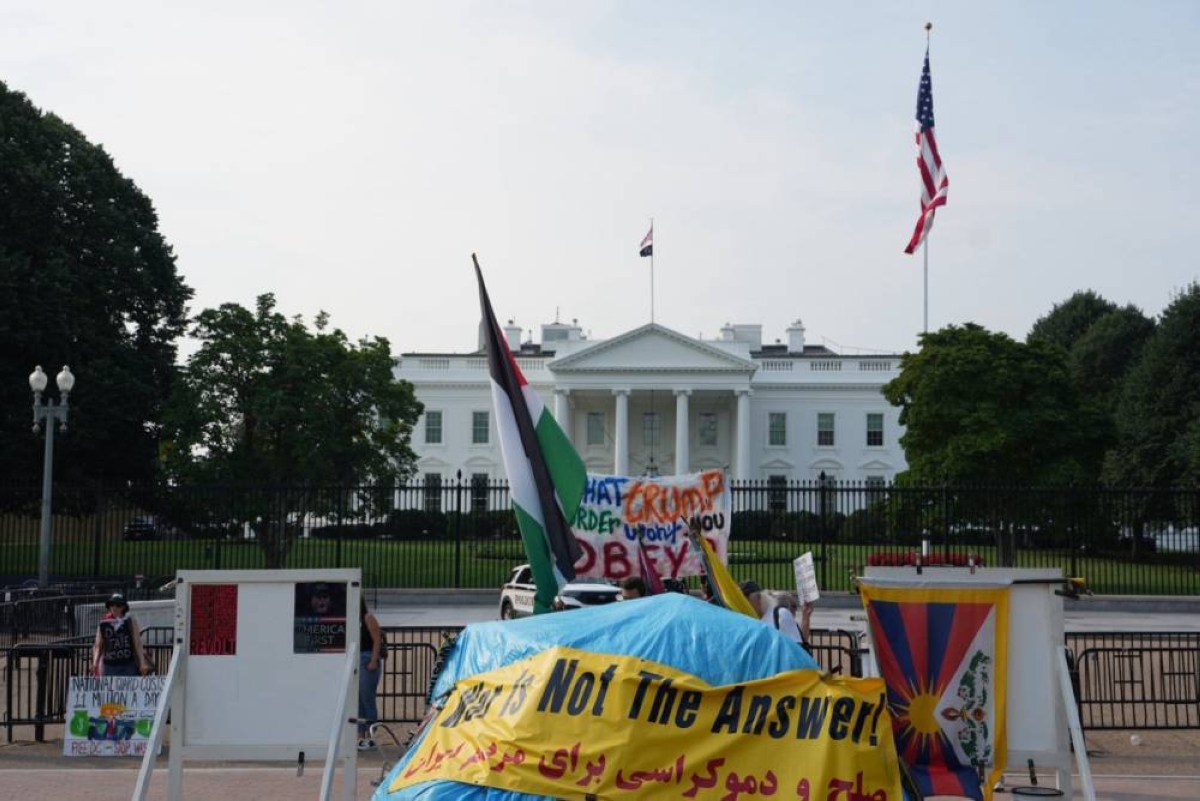
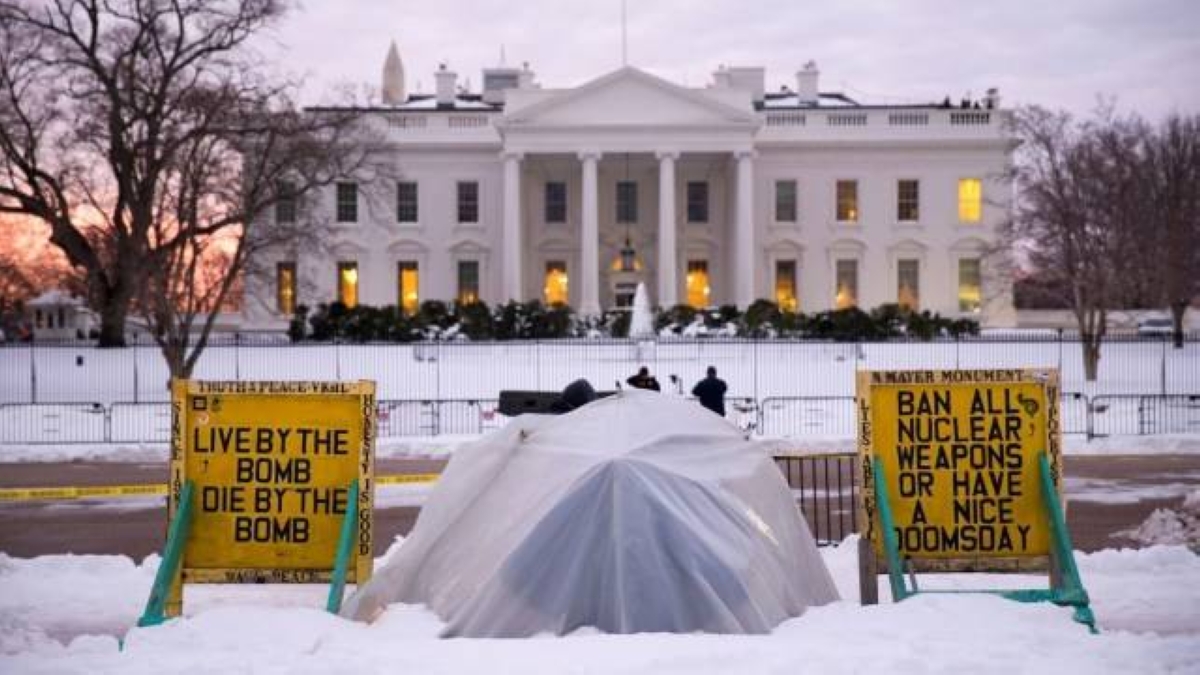
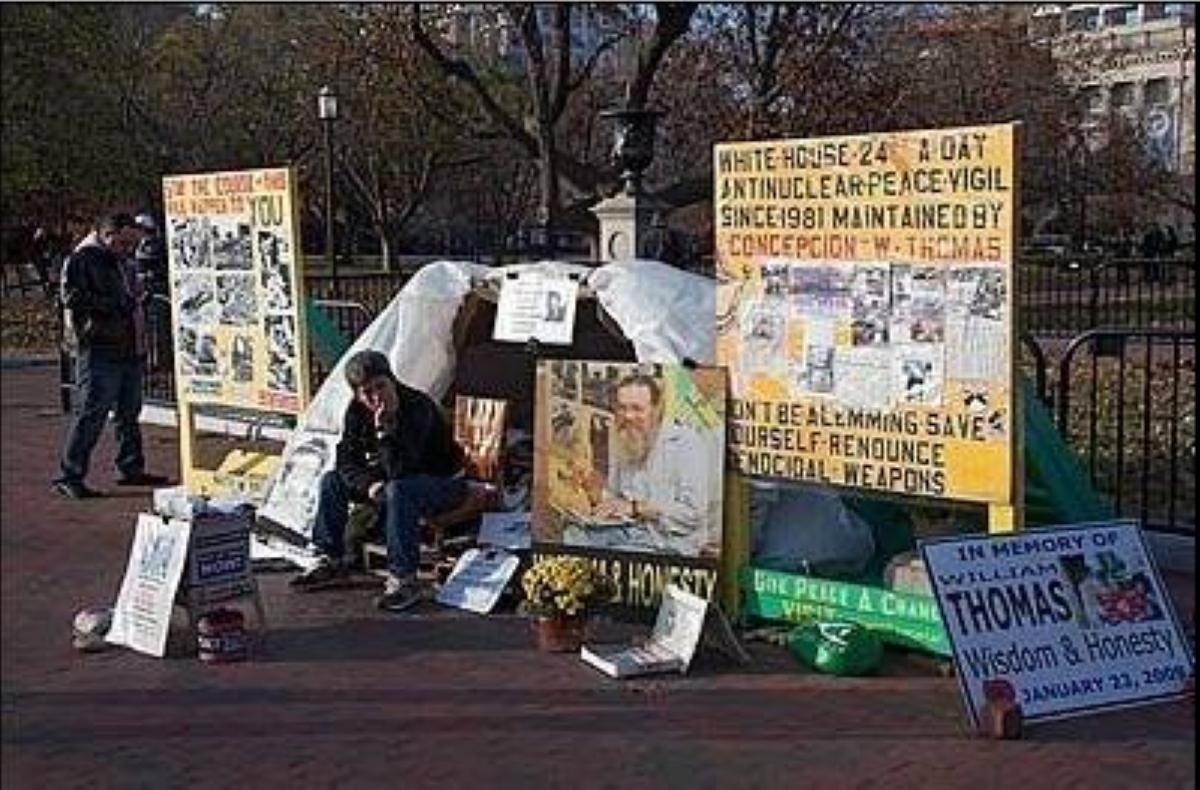
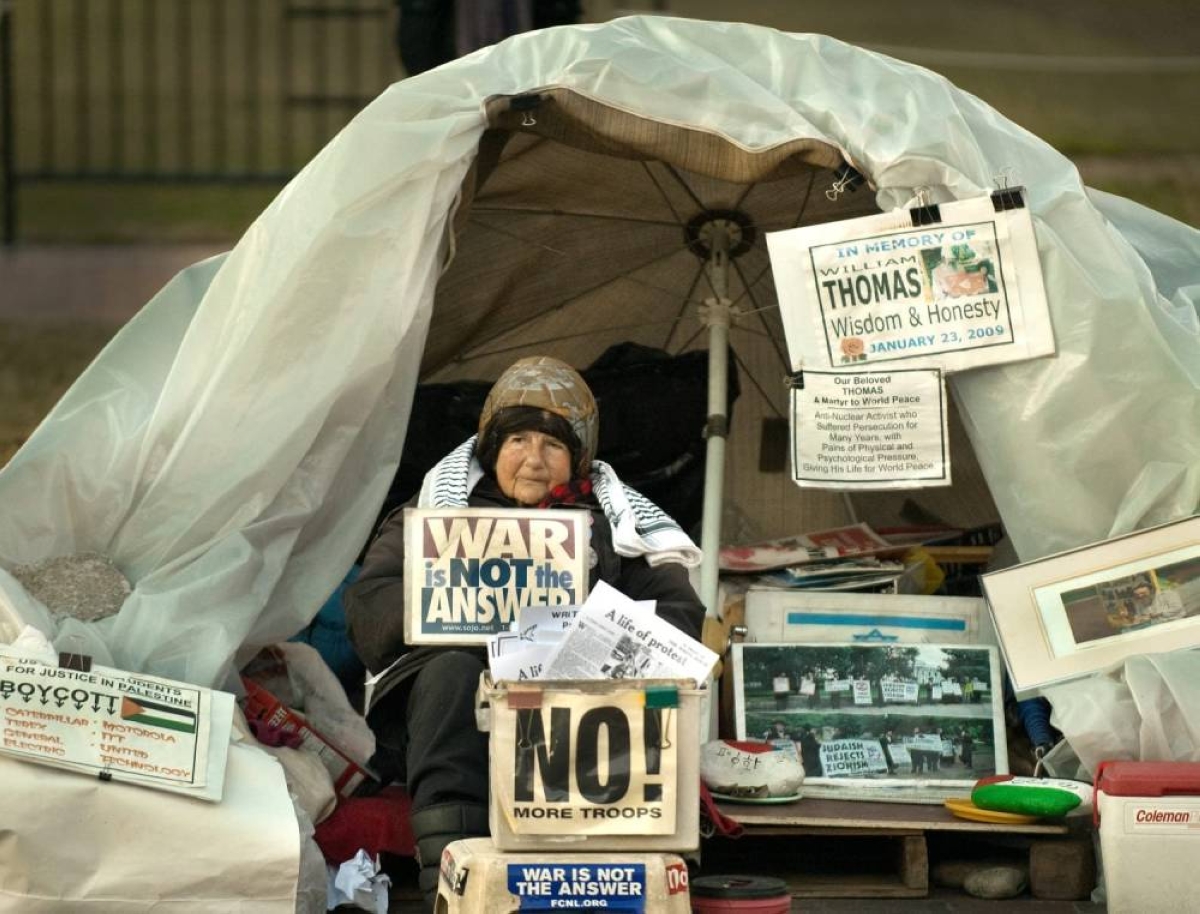
أمر الرئيس الأمريكي دونالد ترمب بإزالة خيمة «وقفة السلام البيضاء» في ميدان لافاييت المقابل للبيت الأبيض، بعد أن ظلت قائمة منذ عام 1981 كأطول احتجاج سياسي مستمر في تاريخ الولايات المتحدة. وقد صمدت الخيمة عبر سبعة رؤساء أمريكيين، وتحدّت الأعاصير والفيضانات وحملات الإزالة القانونية، لتصبح رمزاً للسلام ورفض الحروب النووية.
أوامر مباشرة من المكتب البيضاوي
وخلال مؤتمر صحفي في البيت الأبيض، تلقى ترمب سؤالاً من الصحفي بريان جلين الذي وصف الخيمة بأنها «منصة معادية لأمريكا وترمب». وردّ الرئيس بسرعة بتوجيه أوامره قائلاً: «أزيلوها فوراً، اليوم، حالاً». وأوضح أن إدارته أزالت أكثر من 50 موقعاً لمخيمات مشابهة في العاصمة ضمن حملة «تنظيف الشوارع» استعداداً للذكرى الـ250 لتأسيس الولايات المتحدة.
معركة قانونية تلوح في الأفق
يدير الخيمة الناشط فيليبوس ميلاكو بيلو بمشاركة متطوعين، ويقضي أكثر من 100 ساعة أسبوعياً في الاحتجاج. وأكد في تصريحاته أن القرار يمثل اعتداءً على الحق الدستوري في حرية التعبير، مضيفاً: «إذا أُزيلت الخيمة، فسيشارك المحامون وسنفعل ما بوسعنا لاستعادتها». وأشار إلى أن الوقفة واجهت تحديات مماثلة في الماضي وستظل رمزاً لنزع السلاح النووي والسلام.
انقسام داخلي حول القرار
أثار قرار ترمب جدلاً واسعاً؛ فبينما اعتبره مؤيدوه خطوة ضرورية لتحسين مظهر العاصمة وتقليل المخاطر الأمنية، وصف نشطاء حقوقيون القرار بأنه «اعتداء على حرية التعبير». وأكدت النائبة إليانور هولمز نورتون أن الخيمة تمثل «تجسيداً للنضال السلمي بتكلفة شخصية كبيرة»، في حين قال النائب جيف فان درو إنها تشكل «احتلالاً للمتنزه الوطني» وتهديداً أمنياً.
سياق أوسع لحملة أمنية مشددة
يأتي هذا التطور ضمن حملة أوسع لإدارة ترمب تستهدف إزالة المخيمات في العاصمة، بما في ذلك مواقع يقطنها أشخاص بلا مأوى، مع الاستعانة بقوات الحرس الوطني من ولايات عدة. ويحذر مراقبون من أن هذه الإجراءات قد تشعل مواجهات بين السلطات والنشطاء، ما يعيد إلى الواجهة الجدل المزمن حول الحق في الاحتجاج السلمي في واشنطن.
U.S. President Donald Trump ordered the removal of the "White Peace Tent" in Lafayette Square across from the White House, after it had stood since 1981 as the longest continuous political protest in U.S. history. The tent has endured through seven U.S. presidents, weathered hurricanes and floods, and faced legal removal campaigns, becoming a symbol of peace and opposition to nuclear wars.
Direct orders from the Oval Office
During a press conference at the White House, Trump received a question from journalist Brian Glenn, who described the tent as "an anti-American platform against America and Trump." The president quickly responded by issuing his orders, saying: "Remove it immediately, today, right now." He explained that his administration had removed more than 50 similar camp sites in the capital as part of a "street cleaning" campaign in preparation for the 250th anniversary of the founding of the United States.
A legal battle looms
The tent is managed by activist Philippos Milakou Bilo with the help of volunteers, spending over 100 hours a week protesting. He stated in his remarks that the decision represents an assault on the constitutional right to freedom of expression, adding: "If the tent is removed, lawyers will get involved, and we will do everything we can to get it back." He noted that the protest has faced similar challenges in the past and will remain a symbol for nuclear disarmament and peace.
Internal division over the decision
Trump's decision has sparked widespread controversy; while his supporters see it as a necessary step to improve the appearance of the capital and reduce security risks, human rights activists have described the decision as "an assault on freedom of expression." Congresswoman Eleanor Holmes Norton emphasized that the tent represents "the embodiment of peaceful struggle at a significant personal cost," while Congressman Jeff Van Drew stated that it constitutes "an occupation of the national park" and a security threat.
A broader context for intensified security measures
This development is part of a broader campaign by the Trump administration aimed at removing camps in the capital, including sites inhabited by homeless individuals, with the assistance of National Guard troops from several states. Observers warn that these actions could ignite confrontations between authorities and activists, bringing back to the forefront the chronic debate over the right to peaceful protest in Washington.