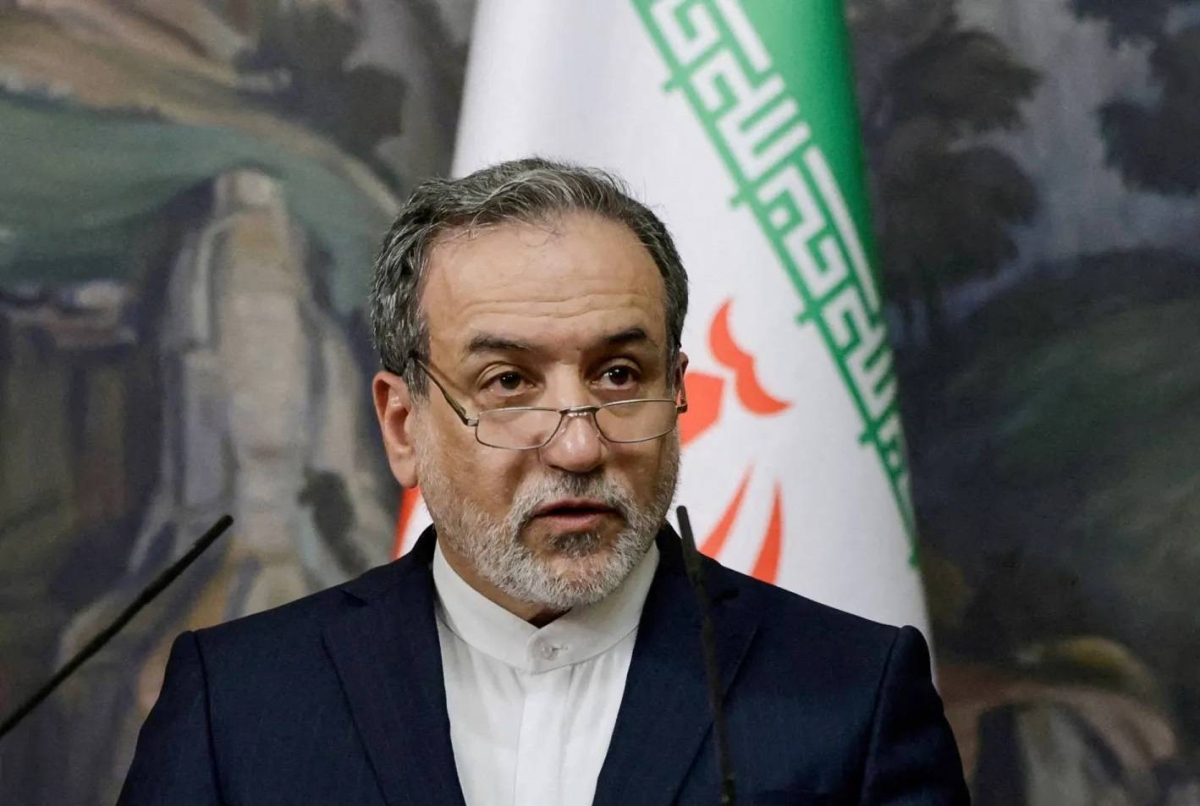
بعد ساعات من توجيه دول «الترويكا» خطاباً إلى مجلس الأمن الدولي لإعادة تفعيل العقوبات على طهران، أعلن وزير الخارجية الإيراني عباس عراقجي، اليوم (الجمعة)، استعداد بلاده للتوصل إلى اتفاق نووي جديد يراعي مصالح وحقوق الشعب الإيراني.
وعرض عراقجي نص رسالة أرسلها إلى الأمين العام للأمم المتحدة أنطونيو غوتيريش، عبر قناته على «تيلغرام»، أكد خلالها أن «إيران تجدد التزامها بالتعاون الدبلوماسي البنّاء للتوصل إلى اتفاق جديد حول القضية النووية»، مشدداً على ضرورة أن يكون الاتفاق الجديد لا يراعي حقوق طهران ومصالحها فحسب، وفقاً لمعاهدة حظر الانتشار النووي، بل أيضاً جميع المخاوف المشتركة، بما في ذلك العقوبات المفروضة على الشعب الإيراني، والتي تؤثر على حياته ورفاهه.
في المقابل، نددت روسيا، اليوم، بقرار دول الترويكا الأوروبية (فرنسا، بريطانيا، ألمانيا) إعادة تفعيل آلية إعادة فرض عقوبات الأمم المتحدة (سناب باك) على إيران، معتبرة أنه لا يوجد سند قانوني يمنح الدول الثلاث هذه الإمكانية.
وحذرت الخارجية الروسية من عواقب وخيمة، مشيرة إلى أن الخطوة الأوروبية تشكل عاملاً خطيراً لزعزعة الاستقرار، وتقوّض الجهود المبذولة على مختلف المستويات لإيجاد حلول تفاوضية.
وقالت الوزارة: «ندين بشدة هذه الإجراءات من جانب الدول الأوروبية، وندعو المجتمع الدولي إلى رفضها»، مضيفة: «نواجه محاولة سافرة للتلاعب بأحكام قرار مجلس الأمن الدولي رقم 2231 من قبل الدول الأوروبية المشاركة في خطة العمل الشاملة المشتركة (الاتفاق النووي)، مستغلين كون آلية إعادة فرض العقوبات السابقة الواردة في هذا القرار -المسماة (سناب باك)- هيكلاً إجرائياً فريداً ومعقداً لا سابق له في الممارسات العالمية».
واعتبرت الخارجية الروسية الخطوة الأوروبية جزءاً من حملة طويلة الأمد لتضليل الدول الأخرى؛ بهدف إضفاء الشرعية على ادعاءاتهم، مستخدمين آلية سناب باك لتصفية حسابات سياسية مع طهران، من دون أي أساس قانوني أو فرص إجرائية لذلك.
وأضافت الوزارة أن الجانب الروسي قدَّم تحليلاً مفصَّلاً للأمم المتحدة يوضح ضعف الأسس القانونية وتناقض المطالب الأوروبية بشأن إعادة فرض العقوبات، مبينة أن برلين ولندن وباريس لم تكتفِ بالموافقة على الالتزام بالقيود غير القانونية التي فرضتها واشنطن على طهران، بل اعتمدت أيضاً قيودها الخاصة.
وشددت الخارجية الروسية بالقول: «الحقيقة أن الأوروبيين لا يملكون الحق في تقديم شكوى إلى مجلس الأمن الدولي بموجب الفقرة 11 من القرار 2231، متجاوزين بذلك مرحلة حل النزاعات في اللجنة المشتركة المنصوص عليها في الفقرة 36 من خطة العمل الشاملة المشتركة»، مؤكدة أن ادعاءاتهم باتخاذ جميع الخطوات اللازمة في هذا الصدد غير صحيحة.
وكانت دول «الترويكا» الأوروبية (فرنسا، ألمانيا، بريطانيا) قد وجّهت، أمس (الخميس)، رسالة إلى مجلس الأمن الدولي أعلنت فيها بدء تطبيق «آلية الزناد» لإعادة فرض العقوبات على إيران بسبب برنامجها النووي.
Hours after the "Troika" countries sent a letter to the United Nations Security Council to reactivate sanctions on Tehran, Iranian Foreign Minister Abbas Araghchi announced today (Friday) that his country is ready to reach a new nuclear agreement that takes into account the interests and rights of the Iranian people.
Araghchi presented the text of a message he sent to UN Secretary-General Antonio Guterres via his channel on Telegram, in which he confirmed that "Iran reaffirms its commitment to constructive diplomatic cooperation to reach a new agreement on the nuclear issue," stressing that the new agreement should not only take into account Tehran's rights and interests, in accordance with the Treaty on the Non-Proliferation of Nuclear Weapons, but also all common concerns, including the sanctions imposed on the Iranian people, which affect their lives and well-being.
In contrast, Russia condemned today the decision of the European Troika countries (France, Britain, Germany) to reactivate the mechanism for reimposing UN sanctions (snapback) on Iran, considering that there is no legal basis that grants the three countries this capability.
The Russian Foreign Ministry warned of severe consequences, indicating that the European step poses a serious factor for destabilization and undermines efforts made at various levels to find negotiated solutions.
It stated: "We strongly condemn these actions by the European countries and call on the international community to reject them," adding: "We are facing a blatant attempt to manipulate the provisions of UN Security Council Resolution 2231 by the European countries participating in the Joint Comprehensive Plan of Action (the nuclear agreement), exploiting the fact that the mechanism for reimposing previous sanctions mentioned in this resolution - called snapback - is a unique and complex procedural framework unprecedented in global practices."
The Russian Foreign Ministry considered the European step as part of a long-standing campaign to mislead other countries; aiming to legitimize their claims, using the snapback mechanism to settle political scores with Tehran, without any legal basis or procedural opportunities for that.
The ministry added that the Russian side had provided a detailed analysis to the United Nations clarifying the weakness of the legal foundations and the contradictions in the European demands regarding the reimposition of sanctions, indicating that Berlin, London, and Paris not only agreed to comply with the illegal restrictions imposed by Washington on Tehran but also adopted their own restrictions.
The Russian Foreign Ministry emphasized by stating: "The truth is that the Europeans do not have the right to file a complaint with the UN Security Council under paragraph 11 of Resolution 2231, thus bypassing the stage of dispute resolution in the Joint Commission stipulated in paragraph 36 of the Joint Comprehensive Plan of Action," asserting that their claims of taking all necessary steps in this regard are incorrect.
The European "Troika" countries (France, Germany, Britain) had sent a letter to the UN Security Council yesterday (Thursday) announcing the start of applying the "trigger mechanism" to reimpose sanctions on Iran due to its nuclear program.