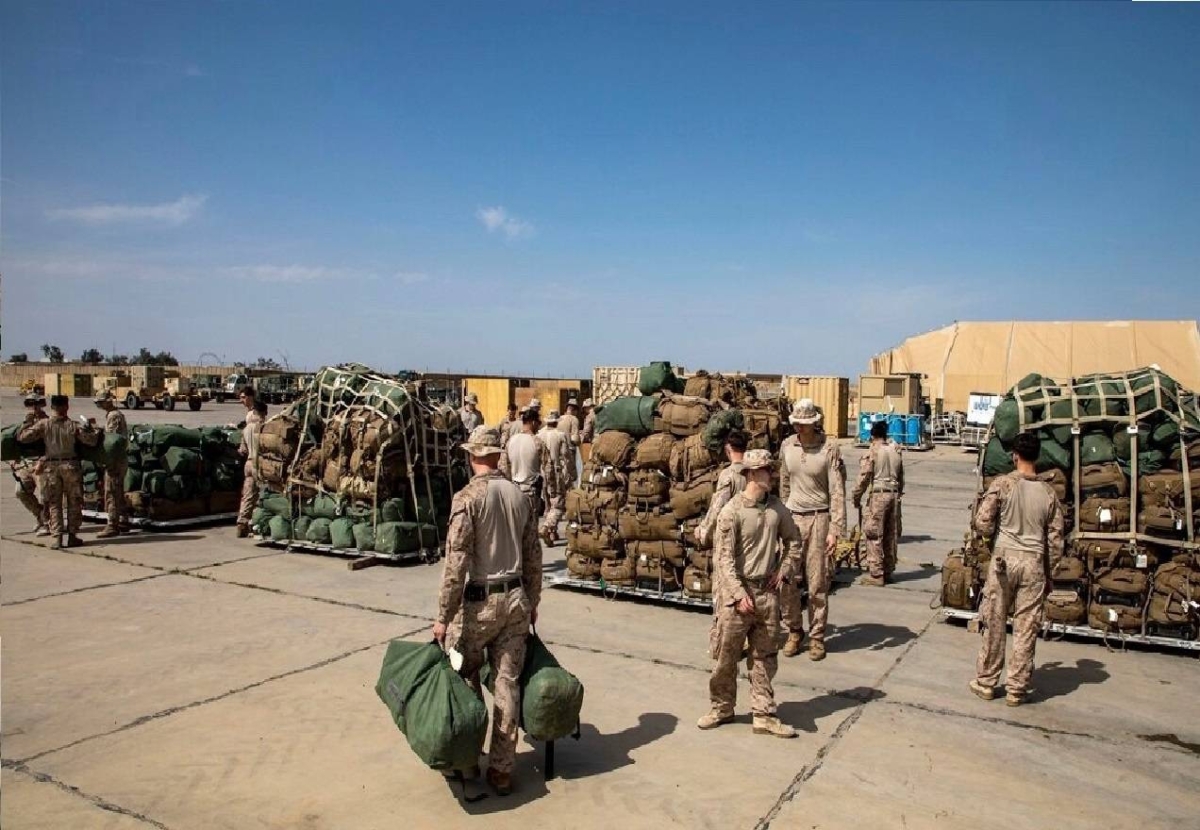
في توقيت حساس متخم بالأزمات الداخلية والخارجية التي يعيشها العراق، شرعت الولايات المتحدة في تسريع وتيرة سحب قواتها من قواعد رئيسية؛ أبرزها قاعدة عين الأسد في الأنبار ومعسكر فيكتوري قرب مطار بغداد.
هذه الخطوة التي تتضمن إعادة تموضع القوات في إقليم كردستان، مرحلة أولى لا تمثل مجرد تغيير في الانتشار العسكري، بل هي مؤشر على تحوّل أعمق في سياسة واشنطن تجاه المنطقة والعراق، وتضع حكومة بغداد أمام اختبار هو الأكثر حساسية منذ إعلان النصر على تنظيم (داعش) الإرهابي نهاية عام 2017.
هذا التطور يأتي تطبيقاً للاتفاق المبرم بين البلدين، الذي استند إلى قرار لمجلس النواب العراقي عام 2020 طالب بإنهاء الوجود العسكري الأجنبي وإخراج القوات الأمريكية من العراق، إثر اغتيال قائد فيلق القدس الإيراني قاسم سليماني ونائب رئيس هيئة الحشد الشعبي أبو مهدي المهندس، وهو قرار قوبل حينها بتحفظات واضحة من القوى السياسية السنية والكردية؛ التي خشيت من تداعياته على التوازن الأمني والسياسي الهش في البلاد.
ووفقاً للاتفاق، يُنتظر أن يكتمل انسحاب القوات الأمريكية من العاصمة والمحافظات الأخرى بحلول شهر سبتمبر القادم باتجاه إقليم كردستان، تمهيداً للمغادرة النهائية في عام 2026. وخلال هذه الفترة، ستتحول مهمات القوات المتبقية من قتالية إلى استشارية تقتصر على تدريب ودعم القوات العراقية.
ويجيء الانسحاب أيضاً مع تصاعد غير مسبوق للتوترات في المنطقة، خصوصاً في ظل احتمالات تجدد الصراع الإيراني الإسرائيلي عسكرياً، ما يثير تساؤلات حول تأثير غياب القوات الأمريكية على استقرار العراق وقدرته على النأي بنفسه عن صراعات المحاور.
على الصعيد الداخلي، ورغم التأكيدات الرسمية على كفاءة القوات العسكرية والأجهزة الأمنية العراقية وقدرتها على مواجهة أي تهديدات، خصوصاً من تنظيم (داعش) الذي تراجعت قدراته بشكل كبير مقارنة بعام 2014، فإن الانسحاب يضع الحكومة العراقية أمام تحدٍ كبيرٍ يتمثل في قدرتها على بسط السيطرة الكاملة، والحفاظ على الأمن والسلم المجتمعي، وتجنب تكرار سيناريو ما بعد الانسحاب الأول عام 2011، الذي شهد فراغاً أمنياً وأزمات سياسية مفتعلة على خلفيات مذهبية في عهد رئيس الوزراء السابق نوري المالكي، مهدت لانهيار المنظومة الأمنية وخروج ثلاث محافظات عن سلطة الحكومة الاتحادية. إن من أبرز التداعيات المحتملة لهذا الانسحاب، هو منْح مساحة أكبر للفصائل المسلحة لفرض نفوذها على القرار السياسي والاقتصادي في البلاد. ومع ذلك يبقى الخطر الأكبر مرتبطاً بملف التسليح الأمريكي للقوات العراقية منذ عام 2003، إذ اعتمد العراق بشكل كبير على التسليح الغربي والأمريكي. ومع إصرار واشنطن على ضرورة حصر السلاح بيد الدولة وحل الفصائل المسلحة، وهو ما لم يتحقق حتى الآن، تتصاعد المخاوف لدى الجانب الأمريكي من إمكانية وصول أسلحتها المتطورة إلى أيدي تلك الجماعات، التي قد لا تتردد في استخدامها ضد المصالح الأمريكية أو حلفائها في حال اندلاع أية مواجهة إقليمية.
بين السيادة والصراع الإقليمي
إن الانسحاب الأمريكي، سواء كان كاملاً أو جزئيّاً، يضع العراق عند مفترق طرق حاسم، فالمرحلة القادمة لا تتعلق فقط بالقدرة على ملء الفراغ الأمني، بل بمدى قدرة الدولة العراقية على ترسيخ سيادتها ومنع تحول أراضيها إلى ساحة لصراع بالوكالة لا مصلحة للعراق فيه.
الحكومة العراقية مطالبة الآن أكثر من أي وقت مضى بإجراء حوار وطني شامل لإعادة تعريف مفهوم الدولة وهيبتها، وضبط السلاح المنفلت، وتحقيق توازن دقيق في علاقاتها الخارجية، خصوصاً مع واشنطن وطهران. وهذا يتوقف على قدرتها على تحويل هذا التحدي إلى فرصة لاستعادة القرار والسيادة الكاملة على جميع مؤسسات الدولة وإعادة هيكلتها على أسس بعيدة عن الأسس التي قامت عليها منذ غزو العراق واحتلاله عام 2003.
At a sensitive time filled with internal and external crises that Iraq is experiencing, the United States has begun to accelerate the pace of withdrawing its forces from key bases; most notably, Al-Asad Airbase in Anbar and Victory Base near Baghdad Airport.
This step, which includes repositioning forces in the Kurdistan region, is a first phase that represents not just a change in military deployment, but is an indicator of a deeper shift in Washington's policy towards the region and Iraq, placing the Baghdad government before the most sensitive test since the announcement of victory over the terrorist organization (ISIS) at the end of 2017.
This development comes in implementation of the agreement concluded between the two countries, which was based on a decision by the Iraqi Parliament in 2020 that called for ending foreign military presence and removing American forces from Iraq, following the assassination of Iranian Quds Force commander Qassem Soleimani and deputy head of the Popular Mobilization Forces Abu Mahdi al-Muhandis. This decision was met at the time with clear reservations from Sunni and Kurdish political forces, which feared its implications on the fragile security and political balance in the country.
According to the agreement, the withdrawal of American forces from the capital and other provinces is expected to be completed by next September towards the Kurdistan region, paving the way for final departure in 2026. During this period, the missions of the remaining forces will shift from combat to advisory, limited to training and supporting Iraqi forces.
The withdrawal also comes amid unprecedented rising tensions in the region, especially with the possibility of renewed military conflict between Iran and Israel, raising questions about the impact of the absence of American forces on Iraq's stability and its ability to distance itself from axis conflicts.
On the internal front, despite official assurances of the efficiency of Iraqi military and security forces and their ability to face any threats, especially from ISIS, whose capabilities have significantly diminished compared to 2014, the withdrawal places the Iraqi government before a major challenge in terms of its ability to establish full control, maintain security and social peace, and avoid repeating the scenario of the first withdrawal in 2011, which witnessed a security vacuum and politically manufactured crises on sectarian backgrounds during the tenure of former Prime Minister Nouri al-Maliki, paving the way for the collapse of the security system and the exit of three provinces from the authority of the federal government. One of the most significant potential repercussions of this withdrawal is granting greater space for armed factions to impose their influence on political and economic decisions in the country. Nevertheless, the greatest danger remains linked to the issue of American arming of Iraqi forces since 2003, as Iraq has heavily relied on Western and American armament. With Washington insisting on the necessity of restricting weapons to the state and disbanding armed factions, which has not yet been achieved, fears are rising on the American side regarding the possibility of its advanced weapons reaching the hands of those groups, which may not hesitate to use them against American interests or its allies in the event of any regional confrontation.
Between Sovereignty and Regional Conflict
The American withdrawal, whether complete or partial, places Iraq at a crucial crossroads, as the next phase is not only about the ability to fill the security vacuum, but also about the extent to which the Iraqi state can consolidate its sovereignty and prevent its territory from becoming a battleground for proxy conflicts in which Iraq has no interest.
The Iraqi government is now required more than ever to conduct a comprehensive national dialogue to redefine the concept of the state and its prestige, control loose weapons, and achieve a delicate balance in its foreign relations, especially with Washington and Tehran. This depends on its ability to turn this challenge into an opportunity to regain decision-making and full sovereignty over all state institutions and restructure them on foundations far removed from those on which they were established since the invasion and occupation of Iraq in 2003.