


أعلن الرئيس السوري أحمد الشرع أن الوفدين السوري والإسرائيلي يحققان تقدماً في محادثات تطوير الاتفاق الأمني الثنائي.
وقال الشرع خلال لقاء صحفي، في دمشق،أمس (الأحد)، إن هناك تقدما نحو اتفاقيات ثنائية، مؤكدا أنه «لن يتردد في اتخاذ أي اتفاق أو قرار يخدم مصلحة البلاد».
وكشف أن الاتفاق الذي تجري مناقشته يرتكز على العودة إلى خط الفصل بين القوات الإسرائيلية والسورية في مرتفعات الجولان السورية المحتلة، والذي تم تحديده عام 1974.
وتحدث الشرع عن أهمية التكامل الاقتصادي بين دول الشرق الأوسط، مشددا على أنه لن يتردد في قبول أي قرار أو الموافقة على أية اتفاقية تحقق مصالح سورية والمنطقة، بحسب ما نقلت عنه وسائل إعلام محلية.
أما في ما يتعلق بلبنان، فقال الرئيس السوري إن «هناك من يريد الاستقواء بسورية الجديدة لتصفية حسابات مع حزب الله»، لكنه أوضح أن السلطة الجديدة بعيدة عن ذلك. وقال: «أتطلع إلى كتابة تاريخ جديد للعلاقات اللبنانية السورية وتحرير الذاكرة من الإرث الماضي وهناك من يصوّرنا كإرهابيين وتهديد وجودي وهناك من يريد الاستقواء بسورية الجديدة لتصفية حسابات مع حزب الله ونحن لا هذا ولا ذاك».
في غضون ذلك، كشفت مصادر إسرائيلية أن الاتفاق المرتقب يتضمن منع تركيا من إعادة بناء الجيش السوري، وهو بند تعتبره إسرائيل ذا أهمية إستراتيجية خاصة.
ويحظر الاتفاق نشر الأسلحة الإستراتيجية داخل الأراضي السورية، بما في ذلك الصواريخ وأنظمة الدفاع الجوي، للحفاظ على حرية الحركة والتفوق الجوي لسلاح الجو الإسرائيلي في المنطقة، وفق ما نقلت القناة 12 الإسرائيلية.
ويتحدث عن إنشاء ممر إنساني إلى جبل الدروز في السويداء، في ظل التوترات المتعلقة بالطائفة الدرزية والمساعدات الإنسانية المقدمة لها.. ونزع السلاح من مرتفعات الجولان السورية.
ويتضمن الاتفاق وعودا بإعادة بناء سورية بدعم أمريكي ومساعدات عربية، في محاولة لإعادة البلاد إلى حالة استقرار.
وتشكل مرتفعات الجولان المحتلة نقطة توتر تاريخية بين البلدين منذ احتلال القوات الإسرائيلية للمنطقة عام 1967.
يذكر وزير الخارجية السوري أسعد الشيباني أجرى في 20 أغسطس الجاري محادثات في باريس مع وزير التخطيط الإستراتيجي الإسرائيلي، رون ديرمر.
وجاء اللقاء نتيجةً وساطة أمريكية، وناقش الطرفان خلاله التدابير المشتركة لخفض التوتر في محافظة السويداء وتعزيز الاستقرار في جنوب سورية. وجرى التأكيد على ضرورة وضع آلية واضحة لاستئناف اتفاقية عام 1974 بشأن فض الاشتباك بين القوات الإسرائيلية والسورية في مرتفعات الجولان.
ومنذ 7 أشهر يحتل الجيش الإسرائيلي جبل الشيخ وشريطا أمنيا بعرض 15 كيلومترا في بعض المناطق جنوب سورية. وتحتل إسرائيل منذ 1967 هضبة الجولان.
أكد أنه لن يتردد في اتخاذ أي قرار في مصلحة البلاد
الشرع: تقدم في المحادثات الأمنية بين سورية وإسرائيل
25 أغسطس 2025 - 13:13
|
آخر تحديث 25 أغسطس 2025 - 13:13
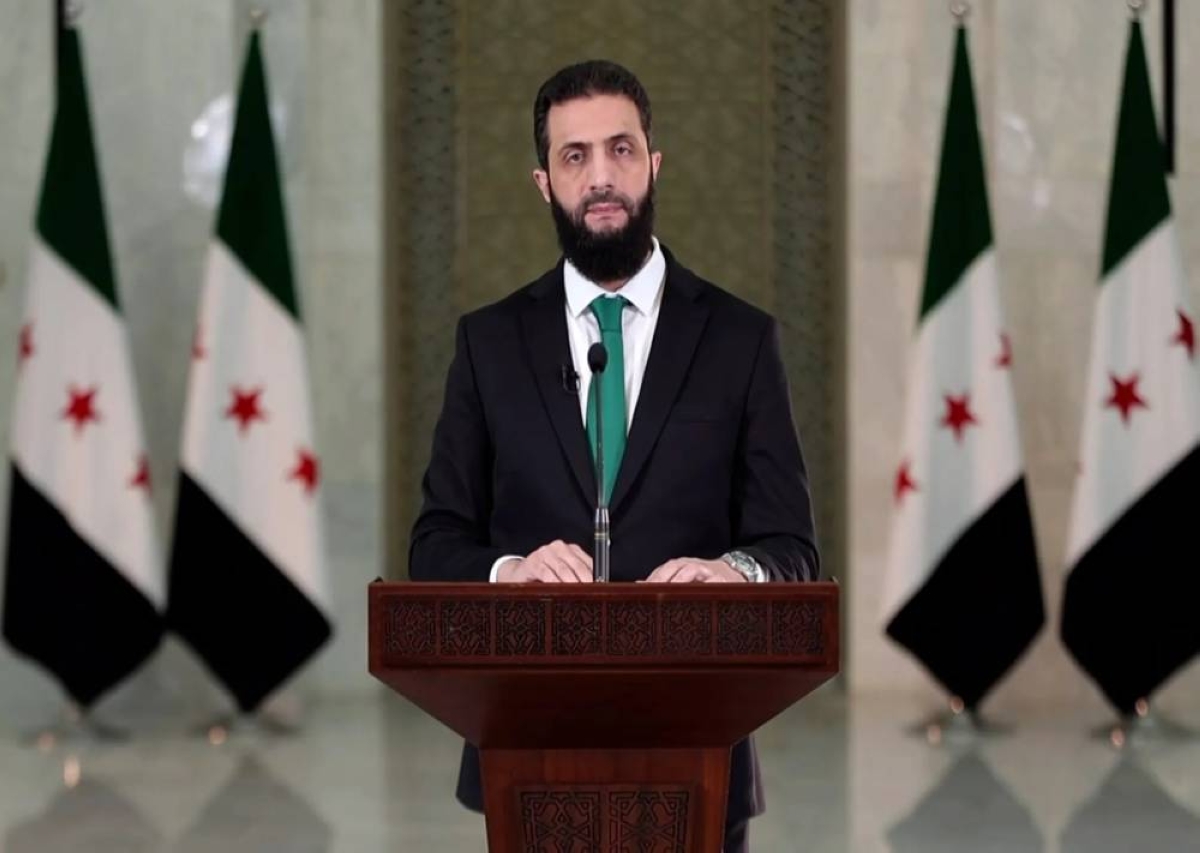
أحمد الشرع


تابع قناة عكاظ على الواتساب
«عكاظ»، وكالات (دمشق) okaz_online@
The Syrian President Ahmad al-Shara announced that the Syrian and Israeli delegations are making progress in talks to develop the bilateral security agreement.
Al-Shara stated during a press conference in Damascus yesterday (Sunday) that there is progress towards bilateral agreements, emphasizing that he "will not hesitate to make any agreement or decision that serves the interests of the country."
He revealed that the agreement being discussed is based on returning to the line of separation between Israeli and Syrian forces in the occupied Syrian Golan Heights, which was established in 1974.
Al-Shara spoke about the importance of economic integration among Middle Eastern countries, stressing that he will not hesitate to accept any decision or agree to any agreement that achieves Syrian and regional interests, according to local media reports.
Regarding Lebanon, the Syrian president said, "There are those who want to strengthen themselves with the new Syria to settle scores with Hezbollah," but he clarified that the new authority is far from that. He said, "I look forward to writing a new history for Lebanese-Syrian relations and liberating the memory from the past legacy, and there are those who portray us as terrorists and an existential threat, and there are those who want to strengthen themselves with the new Syria to settle scores with Hezbollah, and we are neither this nor that."
Meanwhile, Israeli sources revealed that the anticipated agreement includes preventing Turkey from rebuilding the Syrian army, a clause that Israel considers strategically important.
The agreement prohibits the deployment of strategic weapons within Syrian territory, including missiles and air defense systems, to maintain the freedom of movement and air superiority of the Israeli Air Force in the region, according to Israeli Channel 12.
It discusses the establishment of a humanitarian corridor to Mount Druze in Sweida, amid tensions related to the Druze community and the humanitarian aid provided to them, as well as the disarmament of the Syrian Golan Heights.
The agreement includes promises to rebuild Syria with American support and Arab assistance, in an attempt to restore stability to the country.
The occupied Golan Heights have been a historical point of tension between the two countries since Israeli forces occupied the area in 1967.
It is noteworthy that Syrian Foreign Minister Asaad al-Shabani held talks in Paris on August 20 with Israeli Strategic Planning Minister Ron Dermer.
The meeting came as a result of American mediation, and the two sides discussed joint measures to reduce tension in the Sweida Governorate and enhance stability in southern Syria. They emphasized the need to establish a clear mechanism to resume the 1974 agreement regarding the disengagement of Israeli and Syrian forces in the Golan Heights.
For the past seven months, the Israeli army has occupied Mount Sheikh and a security strip 15 kilometers wide in some areas of southern Syria. Israel has occupied the Golan Heights since 1967.
Al-Shara stated during a press conference in Damascus yesterday (Sunday) that there is progress towards bilateral agreements, emphasizing that he "will not hesitate to make any agreement or decision that serves the interests of the country."
He revealed that the agreement being discussed is based on returning to the line of separation between Israeli and Syrian forces in the occupied Syrian Golan Heights, which was established in 1974.
Al-Shara spoke about the importance of economic integration among Middle Eastern countries, stressing that he will not hesitate to accept any decision or agree to any agreement that achieves Syrian and regional interests, according to local media reports.
Regarding Lebanon, the Syrian president said, "There are those who want to strengthen themselves with the new Syria to settle scores with Hezbollah," but he clarified that the new authority is far from that. He said, "I look forward to writing a new history for Lebanese-Syrian relations and liberating the memory from the past legacy, and there are those who portray us as terrorists and an existential threat, and there are those who want to strengthen themselves with the new Syria to settle scores with Hezbollah, and we are neither this nor that."
Meanwhile, Israeli sources revealed that the anticipated agreement includes preventing Turkey from rebuilding the Syrian army, a clause that Israel considers strategically important.
The agreement prohibits the deployment of strategic weapons within Syrian territory, including missiles and air defense systems, to maintain the freedom of movement and air superiority of the Israeli Air Force in the region, according to Israeli Channel 12.
It discusses the establishment of a humanitarian corridor to Mount Druze in Sweida, amid tensions related to the Druze community and the humanitarian aid provided to them, as well as the disarmament of the Syrian Golan Heights.
The agreement includes promises to rebuild Syria with American support and Arab assistance, in an attempt to restore stability to the country.
The occupied Golan Heights have been a historical point of tension between the two countries since Israeli forces occupied the area in 1967.
It is noteworthy that Syrian Foreign Minister Asaad al-Shabani held talks in Paris on August 20 with Israeli Strategic Planning Minister Ron Dermer.
The meeting came as a result of American mediation, and the two sides discussed joint measures to reduce tension in the Sweida Governorate and enhance stability in southern Syria. They emphasized the need to establish a clear mechanism to resume the 1974 agreement regarding the disengagement of Israeli and Syrian forces in the Golan Heights.
For the past seven months, the Israeli army has occupied Mount Sheikh and a security strip 15 kilometers wide in some areas of southern Syria. Israel has occupied the Golan Heights since 1967.


