في مشهد سياسي وأمني متداخل تغلب عليه الضبابية، يبرز تضارب واضح في الرؤى بين الولايات المتحدة والعراق حول خطر تنظيم «داعش»، ما يثير تساؤلات حول حقيقة هذا التهديد وما إذا كان وشيكاً أم انه مجرد توظيف لخطر يُستخدم في سياقات سياسية أوسع.
من جهتها، أعلنت السفارة الأمريكية في بغداد «قلقها العميق» إزاء ما وصفته بالعمليات المستمرة والتوسعات الإقليمية لتنظيمي «داعش» و«القاعدة» في كل من العراق وسورية. هذا التحذير، الذي يحمل في طياته دلالات استخباراتية وسياسية، لم يمر دون رد من بغداد. فبعد ساعات قليلة، قلّل المتحدث باسم القائد العام للقوات المسلحة العراقية من شأن هذا التهديد، مؤكداً أن «عصابات داعش لا تشكل خطراً على البلاد»، في تصريح يهدف إلى طمأنة الداخل وإبراز سيطرة الدولة على الوضع الأمني.
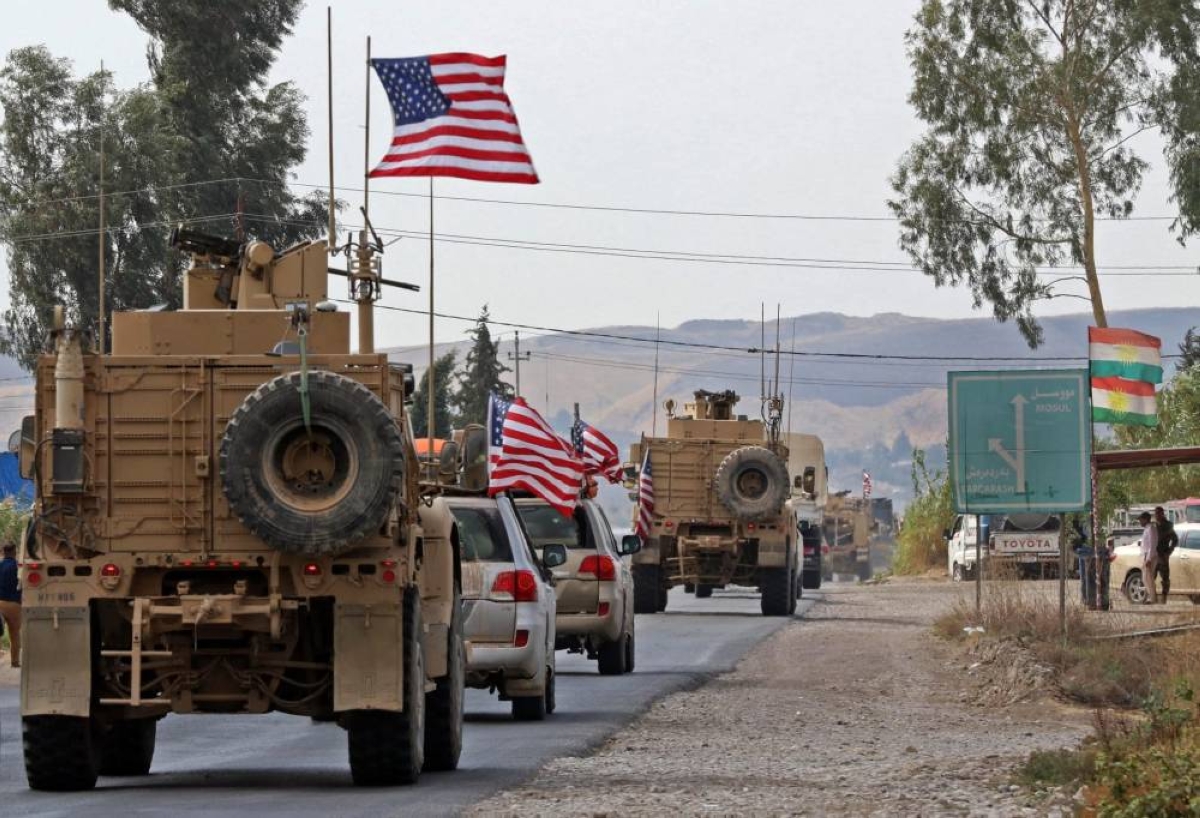
ويزداد المشهد تعقيداً مع تواتر معلومات، نقلتها مصادر سياسية، عن تحركات عسكرية أمريكية متسارعة وغير متوقعة، وتؤكد المصادر أن القوات الأمريكية قد بدأت بالفعل في إعادة تموضعها، وشرعت في نقل عناصر من قواعد حيوية كـ«عين الأسد» في الأنبار ومعسكر «فيكتوري» قرب بغداد، باتجاه قواعد في إقليم كردستان (أربيل) ودولة مجاورة (الكويت). والأخطر من ذلك، هو حديث لمصدر سياسي عن إبلاغ واشنطن للجانب العراقي بنيتها تسريع وتيرة الانسحاب، متجاوزة بذلك الجدول الزمني المتفق عليه ضمن اتفاقية الإطار الاستراتيجي، الذي كان يحدد سبتمبر 2025 وأواخر 2026 كمواعيد للانسحاب من العراق وإقليم كردستان على التوالي.
هذه التطورات المتلاحقة لا يمكن فصلها عن سياق إقليمي ملتهب، خصوصاً في الساحة السورية، حيث لوحظت تحركات لافتة للتنظيم. فقد عاد «داعش» لاستخدام تكتيك «الانتحاريين» لأول مرة منذ سقوط نظام الأسد، مستهدفاً نقاطاً أمنية، فضلاً عن خوضه اشتباكات متفرقة على الحدود العراقية السورية مع «قوات سوريا الديمقراطية» (قسد). وتكمن الخطورة في أن «قسد» تسيطر على سجون تضم الآلاف من مقاتلي التنظيم، بما في ذلك قيادات من الصف الأول، ما يجعل فكرة اقتحام هذه السجون لتحريرهم احتمالاً وارداً، إذ يعطي التنظيم ذلك الأولوية وهو ما تدركه الأجهزة الأمنية في العراق وسورية، وكذلك التحالف الدولي.
داخلياً، يقف العراق على أرض سياسية رخوة، مشبعة بالخلافات والانقسامات العميقة حتى داخل التحالف الحاكم المتمثل في «الإطار التنسيقي». وتتفاقم هذه الخلافات مع اقتراب موعد الانتخابات النيابية في 11 نوفمبر القادم، إذ أدت «حرب الملفات والفضائح» إلى صدمة في الشارع السياسي العراقي بعد استبعاد أكثر من 150 مرشحاً من الإطار نفسه بموجب قانون «المساءلة والعدالة» لارتباطات سابقة بحزب البعث قبل شهرين فقط من موعد الانتخابات التشريعية المُنتظرة، في أجواء من التوترات في عموم المشهد السياسي المشحون.
ويلقي الصراع الأمريكي الإيراني بظلاله على الساحة العراقية، وتتجسد أبرز تجلياته في الجدل الدائر حول إقرار «قانون الحشد الشعبي» أو عدم اقراره. فبينما تهدد واشنطن بفرض عقوبات اقتصادية على العراق في حال تمرير القانون، وتصر على ضرورة حل الحشد ودمجه في الأجهزة الأمنية الرسمية تحت طائلة العقوبات الاقتصادية، تدفع طهران بقوة في الاتجاه المعاكس. وقد حملت زيارة أمين المجلس الأعلى للأمن القومي الإيراني علي لاريجاني الأخيرة إلى بغداد رسائل واضحة بضرورة إجراء الانتخابات في موعدها، وتمرير قانون الحشد، وتجنب تشكيل حكومة طوارئ أو حكومة إنقاذ.
أمام هذا المشهد المعقد، وتصريحات بعض السياسيين العراقيين التي تحذر من احتمالية اندلاع مظاهرات مدعومة خارجياً بهدف إسقاط النظام السياسي، وفق المصدر السياسي، يبدو أن الأيام القادمة قد تشهد تطورات كبرى تتجاوز كل التوقعات. ففي ظل هذا الاحتقان الإقليمي، الذي ينذر بإمكانية تجدد المواجهة بين إيران وإسرائيل، أو قيام طهران باستهداف إسرائيل أو القواعد الأمريكية في المنطقة في حال تيقنت من نية إسرائيل المباشرة بشن هجمات على طهران، يبقى العراق ساحة محتملة لتصفية الحسابات عبر وكلاء محليين من الفصائل الحليفة لها، ما يفتح الباب واسعاً على كل الاحتمالات.
In a complex political and security scene dominated by ambiguity, a clear conflict of visions emerges between the United States and Iraq regarding the threat posed by the "ISIS" organization, raising questions about the reality of this threat and whether it is imminent or merely a utilization of danger used in broader political contexts.
For its part, the American embassy in Baghdad announced its "deep concern" regarding what it described as the ongoing operations and regional expansions of the "ISIS" and "Al-Qaeda" organizations in both Iraq and Syria. This warning, which carries intelligence and political implications, did not go unanswered from Baghdad. Just a few hours later, the spokesperson for the Commander-in-Chief of the Iraqi Armed Forces downplayed this threat, asserting that "ISIS gangs do not pose a danger to the country," in a statement aimed at reassuring the domestic audience and highlighting the state's control over the security situation.
The scene becomes more complicated with the influx of information, relayed by political sources, about rapid and unexpected American military movements. The sources confirm that American forces have indeed begun repositioning and have started transferring elements from vital bases such as "Ain al-Asad" in Anbar and "Victory" Camp near Baghdad, towards bases in the Kurdistan Region (Erbil) and a neighboring country (Kuwait). More alarmingly, a political source mentioned that Washington has informed the Iraqi side of its intention to accelerate the pace of withdrawal, thus bypassing the agreed-upon timeline within the Strategic Framework Agreement, which had set September 2025 and late 2026 as withdrawal dates from Iraq and the Kurdistan Region, respectively.
These successive developments cannot be separated from a volatile regional context, especially in the Syrian arena, where notable movements by the organization have been observed. "ISIS" has returned to using the tactic of "suicide bombers" for the first time since the fall of the Assad regime, targeting security points, in addition to engaging in sporadic clashes along the Iraqi-Syrian border with the "Syrian Democratic Forces" (SDF). The danger lies in the fact that the "SDF" controls prisons housing thousands of the organization's fighters, including first-tier leaders, making the idea of storming these prisons to free them a plausible scenario, which the security agencies in Iraq and Syria, as well as the international coalition, are aware of.
Internally, Iraq stands on soft political ground, saturated with deep disagreements and divisions even within the ruling coalition represented by the "Coordination Framework." These disagreements are exacerbated as the date of the parliamentary elections on November 11 approaches, as the "war of files and scandals" has led to shock in the Iraqi political street after the exclusion of more than 150 candidates from the same framework under the "Accountability and Justice" law due to previous affiliations with the Ba'ath Party just two months before the anticipated legislative elections, amidst a backdrop of tensions in the overall charged political scene.
The American-Iranian conflict casts its shadows over the Iraqi arena, with its most prominent manifestations embodied in the ongoing debate over the approval of the "Popular Mobilization Law" or its rejection. While Washington threatens to impose economic sanctions on Iraq if the law is passed, insisting on the necessity of dissolving the mobilization and integrating it into official security agencies under the threat of economic sanctions, Tehran is strongly pushing in the opposite direction. The recent visit of the Secretary of the Supreme National Security Council of Iran, Ali Larijani, to Baghdad carried clear messages about the necessity of holding elections on time, passing the mobilization law, and avoiding the formation of an emergency or salvation government.
In light of this complex scene, and the statements of some Iraqi politicians warning of the possibility of protests supported from abroad aimed at overthrowing the political system, according to the political source, it seems that the coming days may witness major developments that exceed all expectations. Amid this regional tension, which warns of the possibility of renewed confrontation between Iran and Israel, or Tehran targeting Israel or American bases in the region if it becomes certain of Israel's direct intention to launch attacks on Tehran, Iraq remains a potential arena for settling scores through local proxies from allied factions, opening the door wide to all possibilities.