توقعت صحيفة «التايمز»البريطانية، فشل خطة احتلال غزة التي تستعد إسرائيل لتنفيذها منتصف سبتمبر القادم، مؤكدة أنها ليست سوى نسخة مكررة من محاولات سابقة انتهت إلى الفشل، لأسباب جوهرية لا تزال قائمة منذ اندلاع الحرب في أكتوبر 2023.
وأكدت أن الخطة الجديدة تبدو أقرب إلى محاولة للهروب إلى الأمام، وليست إستراتيجية حقيقية للحسم، إذ إن غياب رؤية سياسية لما بعد حماس، ومعضلة الرهائن، وصعوبة القتال في بيئة حضرية مكتظة، إلى جانب الضغوط الداخلية والدولية، تجعل «النصر الكامل» هدفًا وهميًا.
وعددت الصحيفة أبرز الأسباب التي تجعل «النصر الكامل» الذي يروّج له رئيس وزراء الاحتلال بنيامين نتنياهو هدفًا بعيد المنال، ومنها: معضلة الرهائن، وتشير التقديرات إلى أن عدد الرهائن المتبقّين لدى حماس نحو 50 شخصا، بينهم 30 يُعتقد أنهم قُتلوا و20 على قيد الحياة.
وأفادت الصحيفة بأن هذه الحقيقة تفرض قيدا ثقيلا على أي قرار عسكري، فالهجوم على المناطق المكتظة، وخصوصا المخيّمات الوسطى التي يُحتجز بعض الرهائن داخلها، قد يؤدي إلى مقتلهم.
ولفتت إلى تجربة سابقة في النصيرات، ففي يونيو الماضي، نجحت وحدة إسرائيلية خاصة في تحرير 4 رهائن، لكن العملية تسببت بمقتل أكثر من 270 فلسطينيا.
وأكدت أن مثل هذه النتائج تجعل أي عملية جديدة محفوفة بالمخاطر، وتثير السؤال: كيف يمكن القضاء على حماس دون التضحية بمن تسعى إسرائيل إلى إنقاذهم؟
وتحدثت «التايمز» عن غياب رؤية لليوم التالي، فرغم شعارات القضاء على حماس، لا تقدّم حكومة نتنياهو أي تصور لمرحلة ما بعد الحرب. فلا توجد خطة لإدارة غزة، ولا آلية لحكم مليوني فلسطيني يعيشون في ظروف نزوح مستمرة. وحتى اليوم، ترفض إسرائيل إشراك السلطة الفلسطينية أو أي إطار دولي كبديل مدني.
واعتبرت أن هذا الفراغ السياسي يعني أن أي «انتصار عسكري» سيتحوّل سريعا إلى فوضى تعيد إنتاج حماس أو حركات أخرى. فالتاريخ أثبت أن تفريغ الساحة دون بديل سياسي دائم يؤدي فقط إلى إعادة تشكيل المقاومة في أشكال أكثر صلابة.
ولفتت الصحيفة إلى أن غزة مدينة كثيفة ذات بنية تحتية معقّدة من الأنفاق والأحياء المتلاصقة. ومنذ عام 1948، تحولت المخيمات إلى بؤر للمقاومة، وهو ما يجعلها أرضا مثالية لحرب العصابات.
وأظهرت التجارب السابقة في أحياء مثل الزيتون وجباليا أن سيطرة جيش الاحتلال مؤقتة، فمقاتلو حماس ينسحبون عند الاقتحام ثم يعودون بعد انسحاب القوات. «لعبة الكرّ والفرّ» هذه تحوّل الاحتلال الكامل إلى عملية استنزاف مستمرة، غير قابلة للاستدامة عسكريا أو سياسيا.
ولفتت إلى أن أي عملية عسكرية واسعة النطاق تعني نزوح مئات الآلاف من المدنيين. وبحسب تقارير إسرائيلية، فإن خطة سبتمبر تشمل إصدار أوامر إخلاء لمليون فلسطيني.
وتوقعت أن تثير صور النزوح الجماعي والدمار الشامل موجة جديدة من الغضب الدولي، خصوصا مع تزايد الانتقادات الأوروبية والأمريكية للحرب.
ولفتت إلى أنه حتى داخل المؤسسة العسكرية الإسرائيلية، هناك إدراك بأن العملية لا يمكن أن تبدأ من دون «غطاء شرعي دولي». لكن بالنظر إلى حجم الكارثة الإنسانية المتوقعة، يبدو الحصول على هذا الغطاء شبه مستحيل.
ولفتت إلى وجود انقسام داخلي واستنزاف سياسي، إذ خرج آلاف المتظاهرين في تل أبيب ضمن احتجاجات أسبوعية تطالب بصفقة عاجلة للإفراج عن الرهائن. ويرى الكثير من عائلات الأسرى أن توسيع الهجوم لن يؤدي إلا لتعريضهم لمزيد من الخطر.
وأكدت أن هذا الضغط الشعبي يعكس انقساما عميقا داخل المجتمع الإسرائيلي بين من يطالب بالحسم العسكري، ومن يرى أن السبيل الوحيد هو التفاوض مع حماس.
وكشفت عن مأزق المفاوضات، إذ وافقت حماس هذا الأسبوع على صفقة جزئية تتضمن الإفراج عن 10 رهائن أحياء وجثامين 18 آخرين مقابل هدنة لمدة 60 يوما، إلا أن نتنياهو رفض العرض، مصرا على الإفراج عن جميع الرهائن دفعة واحدة.
واعتبرت التايمز أن هذا الرفض يعكس تناقضا جوهريا في الموقف الإسرائيلي: فبينما تسعى الحكومة إلى استعادة الرهائن عبر العمل العسكري، فإنها تغلق الباب أمام أي تسوية قد تؤدي إلى إنقاذهم دون سفك مزيد من الدماء، وهكذا تبدو إسرائيل وكأنها تراهن على معركة لا يمكن أن تحقق فيها أهدافها الكاملة.
واختتمت الصحيفة البريطانية تقريرها بالحديث عن فشل الإستراتيجيات السابقة، وقالت: منذ اندلاع الحرب، نفّذت إسرائيل عمليات متكررة تحت مسميات مختلفة، لكنها جميعًا توقفت عند أبواب غزة والمخيّمات الوسطى. ولم يكن السبب نقصا في القوة العسكرية، بل غياب الإجابة عن السؤال الأساسي: كيف يمكن هزيمة حركة متجذّرة بين المدنيين من دون التسبب في كارثة إنسانية أو الإضرار بالرهائن؟
«التايمز»: احتلال غزة محاولة للهروب إلى الأمام
24 أغسطس 2025 - 16:27
|
آخر تحديث 24 أغسطس 2025 - 16:27
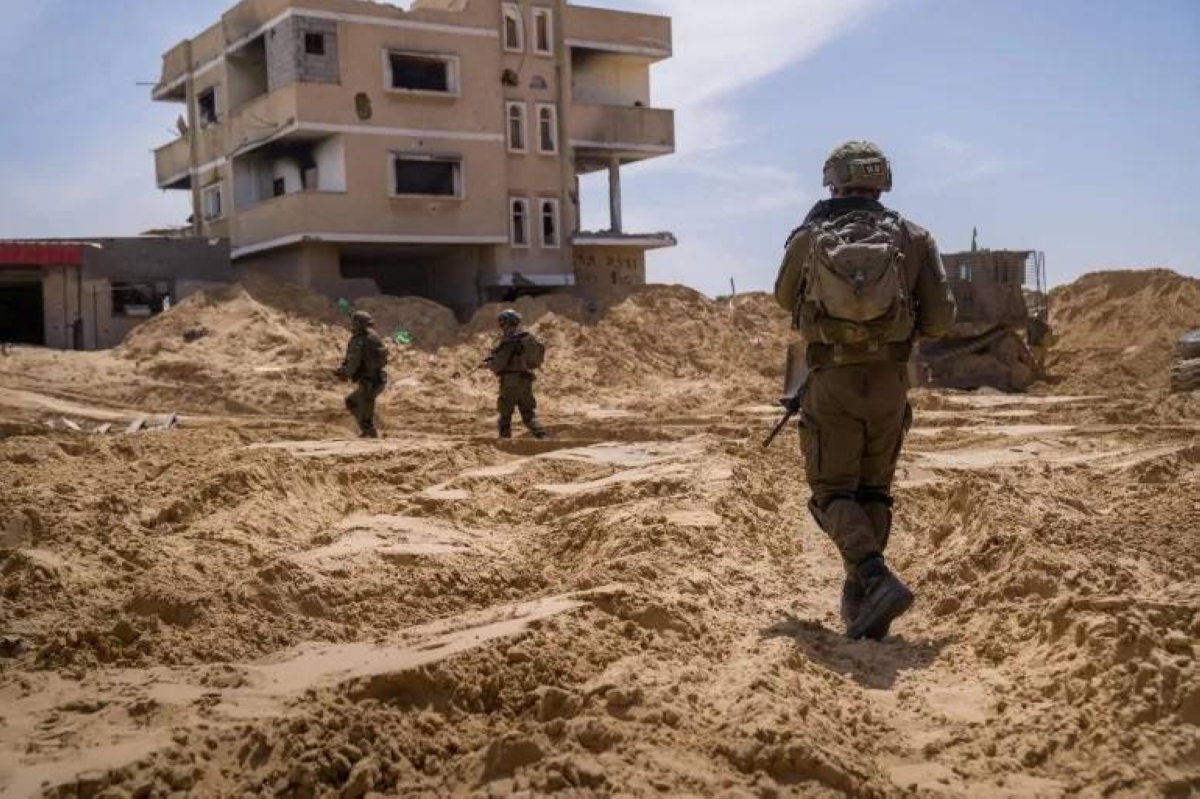
إسرائيل تفتقر إلى إستراتيجية حقيقية للحسم


تابع قناة عكاظ على الواتساب
«عكاظ» (غزة) okaz_online@
The British newspaper "The Times" predicted the failure of the plan to occupy Gaza that Israel is preparing to implement in mid-September, confirming that it is nothing more than a repeated version of previous attempts that ended in failure, due to fundamental reasons that have persisted since the outbreak of the war in October 2023.
It emphasized that the new plan seems more like an attempt to escape forward, rather than a genuine strategy for resolution, as the absence of a political vision for what comes after Hamas, the hostage dilemma, and the difficulty of fighting in a densely populated urban environment, along with internal and international pressures, make "complete victory" an illusory goal.
The newspaper listed the main reasons that make the "complete victory" promoted by the occupying Prime Minister Benjamin Netanyahu an unattainable goal, including: the hostage dilemma, with estimates indicating that the number of remaining hostages held by Hamas is about 50 people, including 30 believed to have been killed and 20 still alive.
The newspaper reported that this reality imposes a heavy constraint on any military decision, as attacking densely populated areas, especially the central camps where some hostages are held, could lead to their deaths.
It pointed to a previous experience in Al-Nuseirat, where in June, a special Israeli unit succeeded in freeing 4 hostages, but the operation resulted in the deaths of more than 270 Palestinians.
It confirmed that such results make any new operation fraught with risks, raising the question: how can Hamas be eliminated without sacrificing those whom Israel seeks to save?
"The Times" spoke about the absence of a vision for the day after, as despite slogans calling for the elimination of Hamas, Netanyahu's government offers no vision for the post-war phase. There is no plan for managing Gaza, nor any mechanism for governing two million Palestinians living in conditions of continuous displacement. To this day, Israel refuses to involve the Palestinian Authority or any international framework as a civilian alternative.
It considered that this political vacuum means that any "military victory" will quickly turn into chaos that reproduces Hamas or other movements. History has proven that emptying the arena without a permanent political alternative only leads to the reformation of resistance in more solid forms.
The newspaper noted that Gaza is a densely populated city with a complex infrastructure of tunnels and adjoining neighborhoods. Since 1948, the camps have turned into hotspots of resistance, making them ideal ground for guerrilla warfare.
Previous experiences in neighborhoods like Al-Zeitoun and Jabalia have shown that the occupation army's control is temporary, as Hamas fighters withdraw during incursions and then return after the forces withdraw. This "game of cat and mouse" turns complete occupation into a continuous draining process, unsustainable both militarily and politically.
It pointed out that any large-scale military operation means the displacement of hundreds of thousands of civilians. According to Israeli reports, the September plan includes evacuation orders for one million Palestinians.
It predicted that images of mass displacement and widespread destruction would provoke a new wave of international anger, especially with increasing European and American criticisms of the war.
It noted that even within the Israeli military establishment, there is an awareness that the operation cannot begin without "international legal cover." However, given the scale of the expected humanitarian disaster, obtaining this cover seems almost impossible.
It highlighted the existence of internal division and political exhaustion, as thousands of protesters took to the streets in Tel Aviv in weekly demonstrations demanding an urgent deal for the release of hostages. Many families of prisoners believe that expanding the attack will only expose them to further danger.
It confirmed that this popular pressure reflects a deep division within Israeli society between those calling for military resolution and those who believe that the only way is to negotiate with Hamas.
It revealed the deadlock in negotiations, as Hamas agreed this week to a partial deal involving the release of 10 living hostages and the bodies of 18 others in exchange for a 60-day truce, but Netanyahu rejected the offer, insisting on the release of all hostages at once.
The Times considered that this rejection reflects a fundamental contradiction in the Israeli position: while the government seeks to recover the hostages through military action, it closes the door on any settlement that could lead to their rescue without further bloodshed, making it seem as though Israel is betting on a battle where it cannot achieve its full objectives.
The British newspaper concluded its report by discussing the failure of previous strategies, stating: since the outbreak of the war, Israel has carried out repeated operations under various names, but all have stopped at the gates of Gaza and the central camps. The reason was not a lack of military strength, but the absence of an answer to the fundamental question: how can a movement rooted among civilians be defeated without causing a humanitarian disaster or harming the hostages?
It emphasized that the new plan seems more like an attempt to escape forward, rather than a genuine strategy for resolution, as the absence of a political vision for what comes after Hamas, the hostage dilemma, and the difficulty of fighting in a densely populated urban environment, along with internal and international pressures, make "complete victory" an illusory goal.
The newspaper listed the main reasons that make the "complete victory" promoted by the occupying Prime Minister Benjamin Netanyahu an unattainable goal, including: the hostage dilemma, with estimates indicating that the number of remaining hostages held by Hamas is about 50 people, including 30 believed to have been killed and 20 still alive.
The newspaper reported that this reality imposes a heavy constraint on any military decision, as attacking densely populated areas, especially the central camps where some hostages are held, could lead to their deaths.
It pointed to a previous experience in Al-Nuseirat, where in June, a special Israeli unit succeeded in freeing 4 hostages, but the operation resulted in the deaths of more than 270 Palestinians.
It confirmed that such results make any new operation fraught with risks, raising the question: how can Hamas be eliminated without sacrificing those whom Israel seeks to save?
"The Times" spoke about the absence of a vision for the day after, as despite slogans calling for the elimination of Hamas, Netanyahu's government offers no vision for the post-war phase. There is no plan for managing Gaza, nor any mechanism for governing two million Palestinians living in conditions of continuous displacement. To this day, Israel refuses to involve the Palestinian Authority or any international framework as a civilian alternative.
It considered that this political vacuum means that any "military victory" will quickly turn into chaos that reproduces Hamas or other movements. History has proven that emptying the arena without a permanent political alternative only leads to the reformation of resistance in more solid forms.
The newspaper noted that Gaza is a densely populated city with a complex infrastructure of tunnels and adjoining neighborhoods. Since 1948, the camps have turned into hotspots of resistance, making them ideal ground for guerrilla warfare.
Previous experiences in neighborhoods like Al-Zeitoun and Jabalia have shown that the occupation army's control is temporary, as Hamas fighters withdraw during incursions and then return after the forces withdraw. This "game of cat and mouse" turns complete occupation into a continuous draining process, unsustainable both militarily and politically.
It pointed out that any large-scale military operation means the displacement of hundreds of thousands of civilians. According to Israeli reports, the September plan includes evacuation orders for one million Palestinians.
It predicted that images of mass displacement and widespread destruction would provoke a new wave of international anger, especially with increasing European and American criticisms of the war.
It noted that even within the Israeli military establishment, there is an awareness that the operation cannot begin without "international legal cover." However, given the scale of the expected humanitarian disaster, obtaining this cover seems almost impossible.
It highlighted the existence of internal division and political exhaustion, as thousands of protesters took to the streets in Tel Aviv in weekly demonstrations demanding an urgent deal for the release of hostages. Many families of prisoners believe that expanding the attack will only expose them to further danger.
It confirmed that this popular pressure reflects a deep division within Israeli society between those calling for military resolution and those who believe that the only way is to negotiate with Hamas.
It revealed the deadlock in negotiations, as Hamas agreed this week to a partial deal involving the release of 10 living hostages and the bodies of 18 others in exchange for a 60-day truce, but Netanyahu rejected the offer, insisting on the release of all hostages at once.
The Times considered that this rejection reflects a fundamental contradiction in the Israeli position: while the government seeks to recover the hostages through military action, it closes the door on any settlement that could lead to their rescue without further bloodshed, making it seem as though Israel is betting on a battle where it cannot achieve its full objectives.
The British newspaper concluded its report by discussing the failure of previous strategies, stating: since the outbreak of the war, Israel has carried out repeated operations under various names, but all have stopped at the gates of Gaza and the central camps. The reason was not a lack of military strength, but the absence of an answer to the fundamental question: how can a movement rooted among civilians be defeated without causing a humanitarian disaster or harming the hostages?