


نقلت صحيفة «هآرتس» الإسرائيلية عن مصادر عسكرية تحذير جيش الاحتلال من أن تنفيذ مطلب الحكومة بتدمير مدينة غزة بالكامل قد يستغرق نحو عام، ما قد يؤدي إلى أزمة في قوات الاحتياط التي تعاني من تراجع في التعبئة والدافعية.
وأكدت المصادر أن إخلاء غزة، التي يسكنها نحو 1.2 مليون فلسطيني، سيستغرق وقتا أطول من إخلاء رفح، التي تطلّب إخلاؤها نحو أسبوعين.
وحسب المصادر، فإن تنفيذ عملية واسعة في مدينة غزة، على غرار العمليات السابقة في رفح وبيت حانون، يحتاج إلى تجهيزات واسعة، بما يشمل إنشاء مناطق لاستيعاب السكان قبل بدء العمليات القتالية.
وأفاد رئيس الأركان الإسرائيلي إيال زامير، بأنه لا ينوي شن هجوم على المدينة حتى يتم استكمال الاستعدادات العملياتية والقانونية اللازمة، رغم مطالب رئيس الوزراء بنيامين نتنياهو بتسريع العملية.
وتحدث الجيش عن ضرورة استنفاد المفاوضات مع حماس لاستعادة أكبر عدد ممكن من الأسرى الإسرائيليين قبل بدء الهجوم، خشية تعرضهم للأذى أثناء القتال المكثف.
ويقدر جيش الاحتلال وجود نحو 50 أسيرا إسرائيليا في غزة، بينهم 20 على قيد الحياة، بينما يقبع أكثر من 10 آلاف فلسطيني في السجون الإسرائيلية.
وكشفت الصحيفة توترا بين كبار قادة الجيش والقيادة السياسية بشأن العملية، مع استمرار الخلاف حول إمكانية تعريض حياة الأسرى للخطر، ولفتت إلى أن رئيس الأركان ملتزم بالعمل وفق التوجيهات القانونية للمدعية العسكرية يفعات تومر يروشالمي.
ونقلت هآرتس أن تقديرات داخل المؤسسة الأمنية بأن حكومة بنيامين نتنياهو، قد تنهار إذا لم يتم تنفيذ عملية احتلال غزة، وسط تهديدات وزراء من الحكومة بالانسحاب حال التوجه نحو صفقة تبادل للأسرى ووقف إطلاق النار.
يذكر أن جيش الاحتلال استدعى نحو 60 ألف جندي احتياط يتوقع التحاقهم بالخدمة في الثاني من سبتمبر القادم. ومن المقرر أن يحل هؤلاء محل القوات النظامية في الضفة الغربية والحدود الشمالية مع لبنان وسورية، لتمكين تلك القوات من المشاركة في عملية احتلال مدينة غزة.
هآرتس: تدمير المدينة قد يستغرق عاماً
تحذيرات عسكرية إسرائيلية من تداعيات احتلال غزة
24 أغسطس 2025 - 14:42
|
آخر تحديث 24 أغسطس 2025 - 14:42
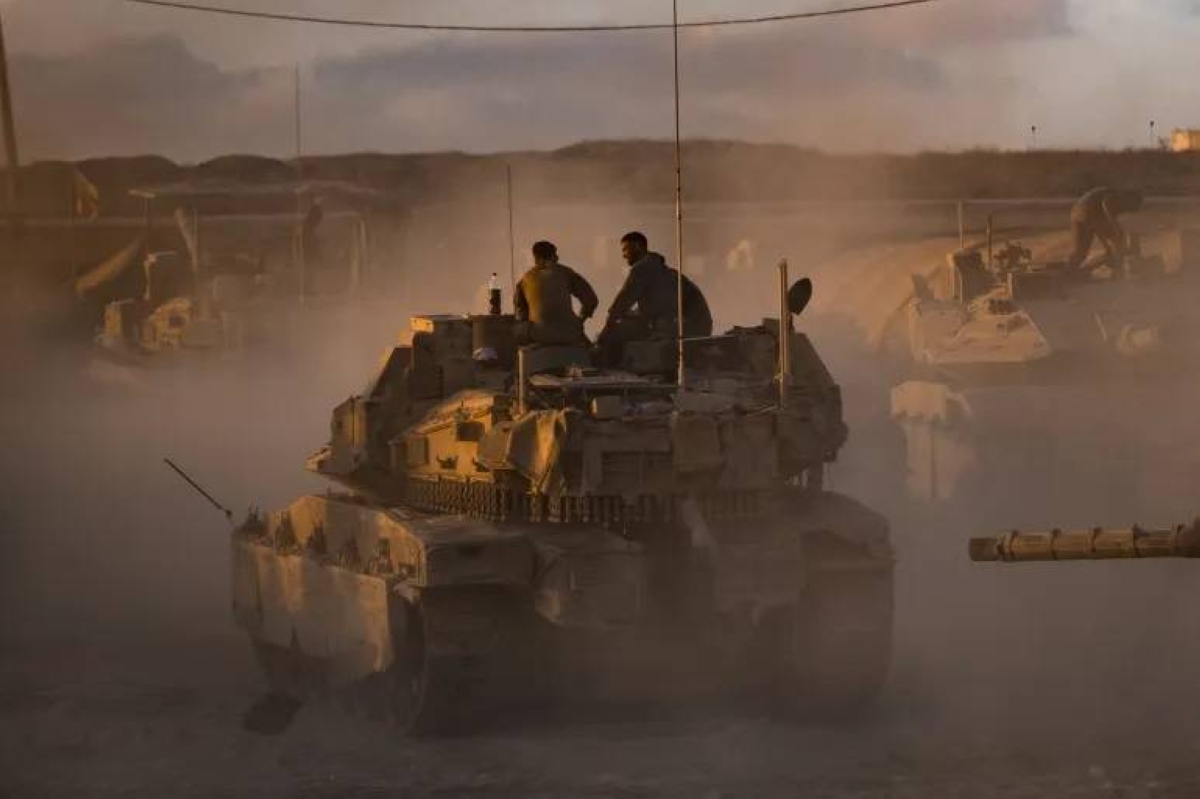
قوات الاحتياط الإسرائيلية تعاني من تراجع في التعبئة والدافعية.


تابع قناة عكاظ على الواتساب
«عكاظ»، وكالات (غزة) OKAZ_ONLINE@
The Israeli newspaper "Haaretz" reported from military sources that the occupation army warned that fulfilling the government's demand to completely destroy the city of Gaza could take about a year, which may lead to a crisis in the reserve forces that are suffering from a decline in mobilization and motivation.
Sources confirmed that the evacuation of Gaza, which is home to about 1.2 million Palestinians, will take longer than the evacuation of Rafah, which required about two weeks.
According to the sources, carrying out a large-scale operation in the city of Gaza, similar to previous operations in Rafah and Beit Hanoun, requires extensive preparations, including establishing areas to accommodate the population before the start of combat operations.
Israeli Chief of Staff Eyal Zamir stated that he does not intend to launch an attack on the city until the necessary operational and legal preparations are completed, despite Prime Minister Benjamin Netanyahu's demands to expedite the process.
The army spoke about the necessity of exhausting negotiations with Hamas to recover as many Israeli captives as possible before the attack begins, for fear of them being harmed during intense fighting.
The occupation army estimates that there are about 50 Israeli captives in Gaza, including 20 who are alive, while more than 10,000 Palestinians are held in Israeli prisons.
The newspaper revealed tensions between senior military leaders and the political leadership regarding the operation, with ongoing disagreements about the possibility of endangering the lives of the captives, noting that the Chief of Staff is committed to acting according to the legal directives of military prosecutor Yifat Tomer Yerushalmi.
Haaretz reported that estimates within the security establishment suggest that Benjamin Netanyahu's government could collapse if the operation to occupy Gaza is not carried out, amid threats from government ministers to withdraw if a prisoner exchange deal and a ceasefire are pursued.
It is noteworthy that the occupation army has called up about 60,000 reserve soldiers expected to join service on September 2. These soldiers are set to replace regular forces in the West Bank and the northern borders with Lebanon and Syria, enabling those forces to participate in the operation to occupy the city of Gaza.
Sources confirmed that the evacuation of Gaza, which is home to about 1.2 million Palestinians, will take longer than the evacuation of Rafah, which required about two weeks.
According to the sources, carrying out a large-scale operation in the city of Gaza, similar to previous operations in Rafah and Beit Hanoun, requires extensive preparations, including establishing areas to accommodate the population before the start of combat operations.
Israeli Chief of Staff Eyal Zamir stated that he does not intend to launch an attack on the city until the necessary operational and legal preparations are completed, despite Prime Minister Benjamin Netanyahu's demands to expedite the process.
The army spoke about the necessity of exhausting negotiations with Hamas to recover as many Israeli captives as possible before the attack begins, for fear of them being harmed during intense fighting.
The occupation army estimates that there are about 50 Israeli captives in Gaza, including 20 who are alive, while more than 10,000 Palestinians are held in Israeli prisons.
The newspaper revealed tensions between senior military leaders and the political leadership regarding the operation, with ongoing disagreements about the possibility of endangering the lives of the captives, noting that the Chief of Staff is committed to acting according to the legal directives of military prosecutor Yifat Tomer Yerushalmi.
Haaretz reported that estimates within the security establishment suggest that Benjamin Netanyahu's government could collapse if the operation to occupy Gaza is not carried out, amid threats from government ministers to withdraw if a prisoner exchange deal and a ceasefire are pursued.
It is noteworthy that the occupation army has called up about 60,000 reserve soldiers expected to join service on September 2. These soldiers are set to replace regular forces in the West Bank and the northern borders with Lebanon and Syria, enabling those forces to participate in the operation to occupy the city of Gaza.


