


أدى ارتفاع منسوب مياه نهر القاش الموسمي في ولاية كسلا شرق السودان إلى محاصرة وعزل مئات الأسر في منطقة تِنّدِلاي.
وطالب مواطنون في منطقة تندلاي شمال مدينة كسلا بضرورة توفير جسر جوي لمتابعة الوضع الإنساني وتقديم الدعم الإغاثي لآلاف المدنيين المحاصرين.
وأفاد المواطنون بأن توقف مصادر مياه الشرب جعل السكان يعتمدون بشكل كامل على مياه النهر والفيضان في ظل انعدام الكلور ووسائل تنقية المياه، محذرين من خطورة الأمراض التي قدّ تنجم عن تدهور الوضع البيئي وانتشار الأوبئة.
وتعتبر المناطق الشمالية لولاية كسلا من أكثر المناطق بشرق السودان عرضة للفيضانات، ما جعل الأهالي يطالبون بخطط وقائية دائمة كإنشاء سدود وحواجز ترابية للحد من تكرار الكوارث الطبيعية.
على الصعيد الميداني، يسيطر الهدوء الحذر على الجبهات في محور ولاية شمال كردفان غرب السودان، في ظل توقعات بمواصلة قوات الجيش عملياتها النوعية باستهداف مواقع وأهداف للدعم السريع في المنطقة.
وفي الفاشر، استمر الوضع داخل المدينة على وقع قصف مدفعي يومي مستمر من قبل قوات الدعم السريع على مناطق متفرقة داخل المدينة المحاصرة منذ عام ونصف العام.
يأتي هذا فيما تستمر الحرب بين الجيش بقيادة عبد الفتاح البرهان وقوات الدعم السريع بقيادة نائبه السابق محمد حمدان دقلو منذ أبريل 2023، ما أدى إلى مقتل عشرات الآلاف، ونزوح أكثر من 13 مليون شخص داخل البلاد وخارجها.
فيما حذرت الأمم المتحدة أخيرا من أن 17 منطقة سودانية باتت مصنفة على أنها معرضة لخطر المجاعة، بما في ذلك أجزاء من دارفور وجبال النوبة والخرطوم والجزيرة.
فيضانات تعزل مئات الأسر شرق السودان
24 أغسطس 2025 - 13:25
|
آخر تحديث 24 أغسطس 2025 - 13:25
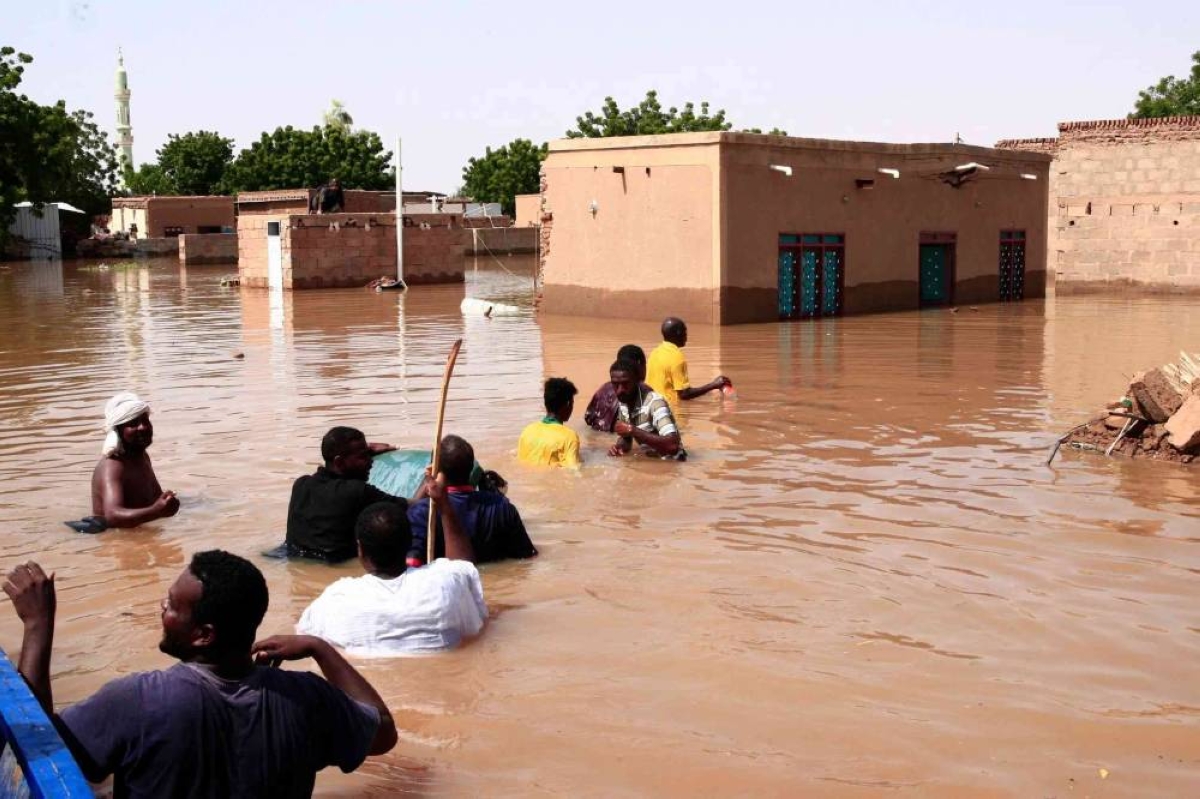
مواطنون يطالبون بتوفير جسر جوي لمتابعة الوضع الإنساني وتقديم الدعم الإغاثي للمحاصرين.


تابع قناة عكاظ على الواتساب
«عكاظ» (الخرطوم)okaz_online@
The rise in the seasonal water level of the Gash River in Kassala State, eastern Sudan, has led to the encirclement and isolation of hundreds of families in the Tindelay area.
Citizens in the Tindelay area, north of Kassala city, have called for the necessity of providing an air bridge to monitor the humanitarian situation and provide relief support to thousands of trapped civilians.
Residents reported that the cessation of drinking water sources has made the population entirely dependent on river and flood water, amid a lack of chlorine and water purification means, warning of the dangers of diseases that may arise from the deterioration of the environmental situation and the spread of epidemics.
The northern regions of Kassala State are considered among the most flood-prone areas in eastern Sudan, prompting residents to demand permanent preventive plans such as the construction of dams and earthen barriers to mitigate the recurrence of natural disasters.
On the ground, a cautious calm prevails on the fronts in the North Kordofan axis in western Sudan, amid expectations that the army will continue its qualitative operations targeting sites and objectives of the Rapid Support Forces in the area.
In El Fasher, the situation within the city continues to be marked by ongoing daily artillery shelling from the Rapid Support Forces on various areas within the besieged city for a year and a half.
This comes as the war between the army led by Abdel Fattah al-Burhan and the Rapid Support Forces led by his former deputy Mohamed Hamdan Dagalo has been ongoing since April 2023, resulting in the deaths of tens of thousands and the displacement of more than 13 million people both inside and outside the country.
Recently, the United Nations warned that 17 Sudanese regions have been classified as at risk of famine, including parts of Darfur, the Nuba Mountains, Khartoum, and Al Jazeera.
Citizens in the Tindelay area, north of Kassala city, have called for the necessity of providing an air bridge to monitor the humanitarian situation and provide relief support to thousands of trapped civilians.
Residents reported that the cessation of drinking water sources has made the population entirely dependent on river and flood water, amid a lack of chlorine and water purification means, warning of the dangers of diseases that may arise from the deterioration of the environmental situation and the spread of epidemics.
The northern regions of Kassala State are considered among the most flood-prone areas in eastern Sudan, prompting residents to demand permanent preventive plans such as the construction of dams and earthen barriers to mitigate the recurrence of natural disasters.
On the ground, a cautious calm prevails on the fronts in the North Kordofan axis in western Sudan, amid expectations that the army will continue its qualitative operations targeting sites and objectives of the Rapid Support Forces in the area.
In El Fasher, the situation within the city continues to be marked by ongoing daily artillery shelling from the Rapid Support Forces on various areas within the besieged city for a year and a half.
This comes as the war between the army led by Abdel Fattah al-Burhan and the Rapid Support Forces led by his former deputy Mohamed Hamdan Dagalo has been ongoing since April 2023, resulting in the deaths of tens of thousands and the displacement of more than 13 million people both inside and outside the country.
Recently, the United Nations warned that 17 Sudanese regions have been classified as at risk of famine, including parts of Darfur, the Nuba Mountains, Khartoum, and Al Jazeera.


