


للمرة الأولى منذ اندلاع حرب الإبادة الإسرائيلية على قطاع غزة قبل نحو 22 شهرا، ينتظر أن تعلن الهيئة الدولية المسؤولة عن رصد الجوع عالميا، والمدعومة من الأمم المتحدة «IPC»، اليوم (الجمعة)، أمام مجلس الأمن الدولي عن وباء مجاعة في غزة.
وأفادت صحيفة «يديعوت أحرونوت» بأن الإعلان قد يفتح الباب أمام ضغوط دولية جديدة على إسرائيل.
ويستند الإعلان إلى نظام التصنيف المرحلي المتكامل للأمن الغذائي (IPC)، وهو الآلية المعترف بها دوليا لتصنيف شدة انعدام الأمن الغذائي وسوء التغذية. ولم يُستخدم هذا التصنيف للإعلان عن المجاعة سوى أربع مرات فقط منذ إنشائه عام 2004، آخرها في السودان العام الماضي.
وبحسب الصحيفة، فإن إعلان المجاعة سيشمل محافظة غزة، التي تضم مدينة غزة وثلاث بلدات مجاورة وعددًا من مخيمات اللاجئين، ويقطنها نحو نصف مليون نسمة. ولفتت إلى أن أكثر من نصف مليون شخص في قطاع غزة يعيشون ظروفا كارثية، تتسم بالجوع والعوز والموت.
ويأتي هذا التطور بعد أن كان التصنيف المرحلي قد حذّر سابقًا من أن المجاعة وشيكة في بعض مناطق القطاع، لكنه أحجم عن الإعلان الرسمي بسبب نقص البيانات الموثوقة.
وتؤكد الإحاطة أن معايير إعلان المجاعة الثلاثة قد تم استيفاؤها، ألا وهي، «أن تواجه 20 % على الأقل من الأسر نقصًا حادا في الغذاء»، «أن يُعاني 30 % على الأقل من الأطفال من سوء تغذية حاد»، إضافة إلى «وفاة شخصين يوميا من كل 10 آلاف شخص بسبب الجوع».
ويتوقع أن تمتد المجاعة إلى محافظتي دير البلح وخان يونس بحلول نهاية سبتمبر، بينما يواجه أكثر من 1.07 مليون شخص في غزة، أي أكثر من نصف السكان، مستويات طارئة من انعدام الأمن الغذائي.
وزعم سفير إسرائيل لدى الأمم المتحدة داني دانون، بأن المنظمة الدولية غيرت المعايير بما يخدم رواية حماس.
وحذّر مكتب الأمم المتحدة لحقوق الإنسان من أنّ خطر المجاعة يهدد جميع أنحاء قطاع غزة، مع استمرار القيود الإسرائيلية على دخول المساعدات وتصاعد الهجمات العسكرية التي تجبر مزيداً من الفلسطينيين على النزوح.
وقدّرت الأمم المتحدة أن 1.35 مليون شخص في غزة بحاجة إلى مأوى طارئ، فيما أصبحت الخيام الحالية تالفة جراء كثرة النزوح وظروف الطقس القاسية.
وقال المتحدث باسم مكتب الأمم المتحدة لحقوق الإنسان ثُمين الخيطان، في جنيف: هذا الوضع نتيجة مباشرة لسياسة الحكومة الإسرائيلية في عرقلة وصول المساعدات الإنسانية، مؤكداً أن كميات المساعدات التي دخلت القطاع في الأسابيع الأخيرة أقل بكثير مما هو مطلوب لتفادي انتشار المجاعة.
وتحدث عن استمرار تسجيل وفيات مرتبطة بالجوع، بينها أطفال، في وقت كثّف الجيش الإسرائيلي هجماته في شمال القطاع وأصدر أوامر نزوح جديدة للفلسطينيين نحو منطقة المواصي، رغم استمرار القصف وسوء الأوضاع هناك.
وأكد أن الوصول إلى المساعدات قد يكون مميتاً، لافتا إلى أن بيانات الأمم المتحدة تشير إلى مقتل 1857 فلسطينياً منذ 27 مايو أثناء محاولتهم الحصول على الطعام، معظمهم برصاص الجيش الإسرائيلي قرب مواقع «مؤسسة غزة الإنسانية» أو على طرق مرور الشاحنات.
للمرة الأولى منذ 22 شهراً
منظمة أممية: انتشار وباء المجاعة في غزة
22 أغسطس 2025 - 14:13
|
آخر تحديث 22 أغسطس 2025 - 14:13
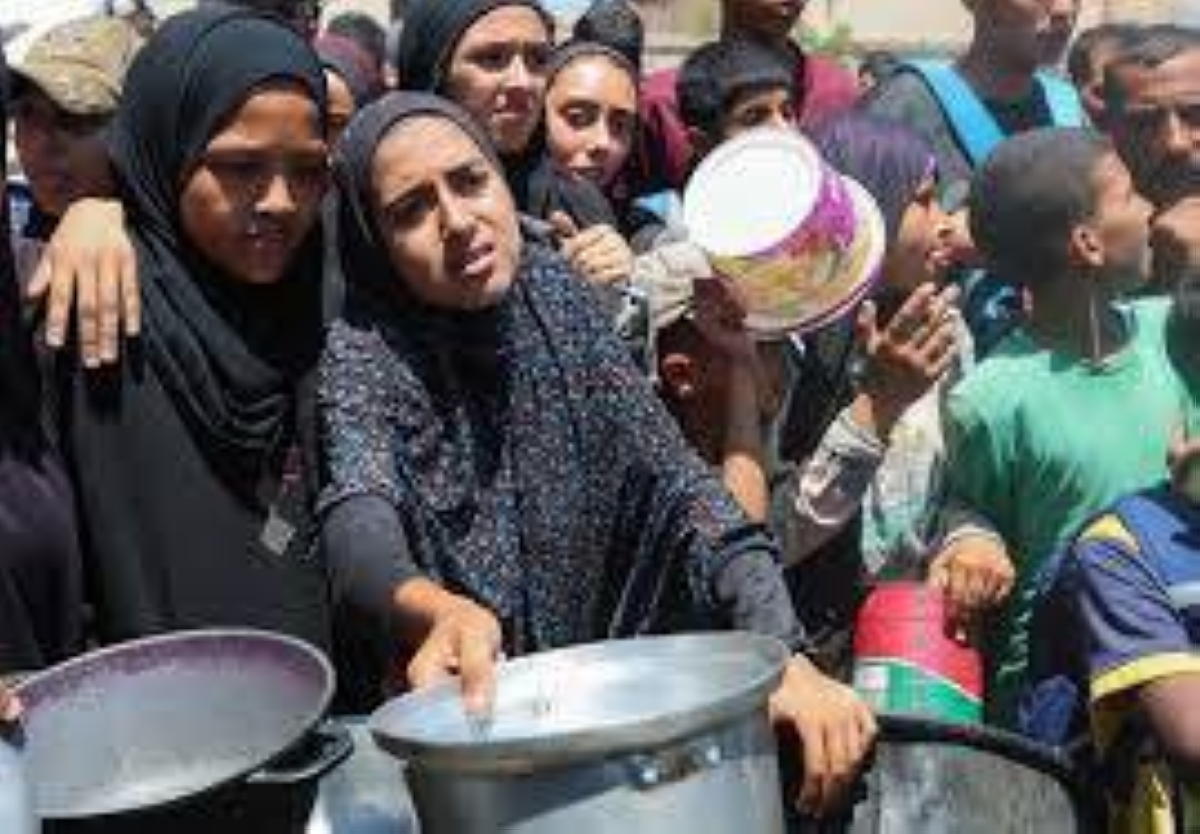
فلسطينيون ينتظرون الحصول على المساعدات


تابع قناة عكاظ على الواتساب
«عكاظ» (جدة) okaz_online@
For the first time since the outbreak of the Israeli genocide war on the Gaza Strip about 22 months ago, the international body responsible for monitoring hunger globally, supported by the United Nations, "IPC," is expected to announce today (Friday) before the United Nations Security Council a famine epidemic in Gaza.
The newspaper "Yedioth Ahronoth" reported that the announcement could open the door to new international pressures on Israel.
The announcement is based on the Integrated Food Security Phase Classification (IPC), which is the internationally recognized mechanism for classifying the severity of food insecurity and malnutrition. This classification has only been used to declare famine four times since its establishment in 2004, the last of which was in Sudan last year.
According to the newspaper, the famine declaration will include the Gaza Governorate, which encompasses Gaza City, three neighboring towns, and several refugee camps, home to about half a million people. It noted that more than half a million people in the Gaza Strip are living in catastrophic conditions characterized by hunger, deprivation, and death.
This development comes after the phase classification had previously warned that famine was imminent in some areas of the strip, but refrained from a formal announcement due to a lack of reliable data.
The briefing confirms that the three criteria for declaring famine have been met, namely, "at least 20% of households face severe food shortages," "at least 30% of children suffer from acute malnutrition," in addition to "two people dying daily for every 10,000 people due to hunger."
Famine is expected to extend to the Deir al-Balah and Khan Younis Governorates by the end of September, while more than 1.07 million people in Gaza, or more than half of the population, face emergency levels of food insecurity.
Israeli Ambassador to the United Nations Danny Danon claimed that the international organization has changed the criteria to serve Hamas's narrative.
The United Nations Human Rights Office warned that the threat of famine looms over all of the Gaza Strip, as Israeli restrictions on the entry of aid continue and military attacks escalate, forcing more Palestinians to flee.
The United Nations estimated that 1.35 million people in Gaza need emergency shelter, while the current tents have become damaged due to the high number of displacements and harsh weather conditions.
UN Human Rights Office spokesperson Thumein Al-Khaitan said in Geneva: This situation is a direct result of the Israeli government's policy of obstructing humanitarian aid access, emphasizing that the quantities of aid that have entered the strip in recent weeks are far less than what is needed to prevent the spread of famine.
He spoke of the continued recording of hunger-related deaths, including children, at a time when the Israeli army intensified its attacks in the northern strip and issued new displacement orders for Palestinians towards the Mawasi area, despite the ongoing shelling and dire conditions there.
He confirmed that access to aid could be deadly, noting that UN data indicates that 1,857 Palestinians have been killed since May 27 while trying to obtain food, most of them shot by the Israeli army near the "Gaza Humanitarian Foundation" sites or on truck routes.
The newspaper "Yedioth Ahronoth" reported that the announcement could open the door to new international pressures on Israel.
The announcement is based on the Integrated Food Security Phase Classification (IPC), which is the internationally recognized mechanism for classifying the severity of food insecurity and malnutrition. This classification has only been used to declare famine four times since its establishment in 2004, the last of which was in Sudan last year.
According to the newspaper, the famine declaration will include the Gaza Governorate, which encompasses Gaza City, three neighboring towns, and several refugee camps, home to about half a million people. It noted that more than half a million people in the Gaza Strip are living in catastrophic conditions characterized by hunger, deprivation, and death.
This development comes after the phase classification had previously warned that famine was imminent in some areas of the strip, but refrained from a formal announcement due to a lack of reliable data.
The briefing confirms that the three criteria for declaring famine have been met, namely, "at least 20% of households face severe food shortages," "at least 30% of children suffer from acute malnutrition," in addition to "two people dying daily for every 10,000 people due to hunger."
Famine is expected to extend to the Deir al-Balah and Khan Younis Governorates by the end of September, while more than 1.07 million people in Gaza, or more than half of the population, face emergency levels of food insecurity.
Israeli Ambassador to the United Nations Danny Danon claimed that the international organization has changed the criteria to serve Hamas's narrative.
The United Nations Human Rights Office warned that the threat of famine looms over all of the Gaza Strip, as Israeli restrictions on the entry of aid continue and military attacks escalate, forcing more Palestinians to flee.
The United Nations estimated that 1.35 million people in Gaza need emergency shelter, while the current tents have become damaged due to the high number of displacements and harsh weather conditions.
UN Human Rights Office spokesperson Thumein Al-Khaitan said in Geneva: This situation is a direct result of the Israeli government's policy of obstructing humanitarian aid access, emphasizing that the quantities of aid that have entered the strip in recent weeks are far less than what is needed to prevent the spread of famine.
He spoke of the continued recording of hunger-related deaths, including children, at a time when the Israeli army intensified its attacks in the northern strip and issued new displacement orders for Palestinians towards the Mawasi area, despite the ongoing shelling and dire conditions there.
He confirmed that access to aid could be deadly, noting that UN data indicates that 1,857 Palestinians have been killed since May 27 while trying to obtain food, most of them shot by the Israeli army near the "Gaza Humanitarian Foundation" sites or on truck routes.


