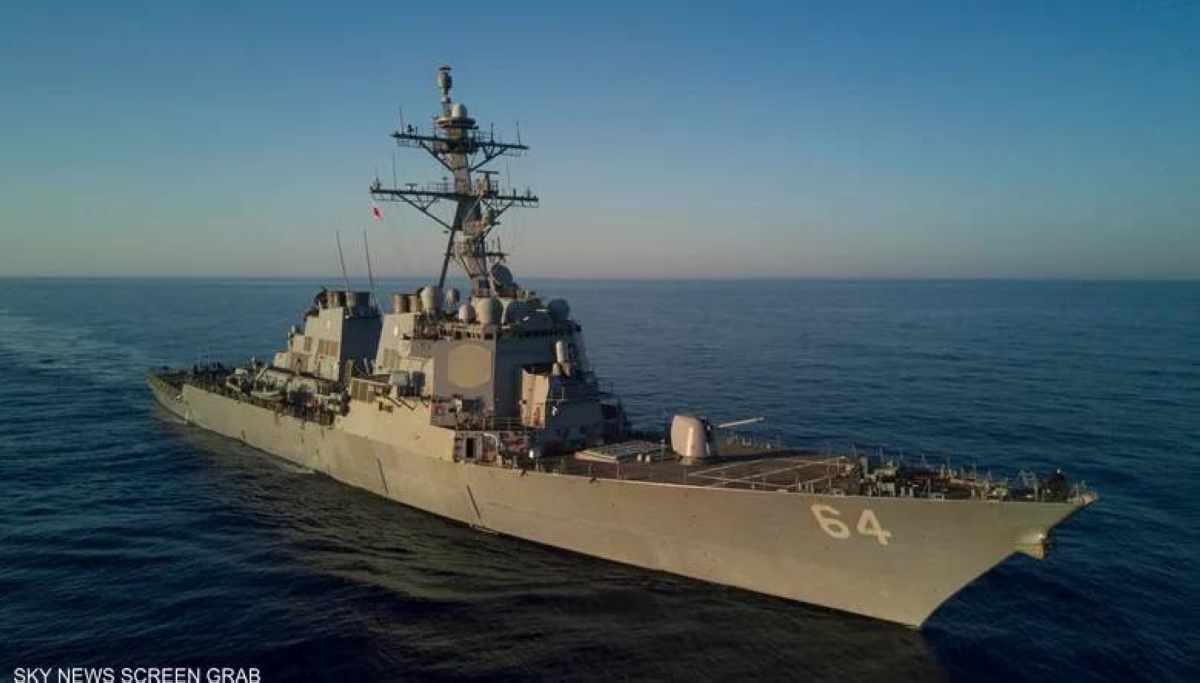
كشفت وسائل إعلام أمريكية اليوم (الخميس) توجه الرئيس الأمريكي دونالد ترمب، وزارة الدفاع «البنتاغون»، بإرسال ثلاث سفن حربية لاعتراض عصابات المخدرات قبالة سواحل أمريكا الجنوبية، بما في ذلك بالقرب من فنزويلا، ما يزيد من حدة المواجهة الأمريكية مع الرئيس الفنزويلي نيكولاس مادورو.
وأفادت صحيفة «وول ستريت جورنال» بأن المدمرات المزودة بصواريخ موجهة ستتمتع بسلطة اعتراض شحنات المخدرات، ما يمنح البحرية مهمة مباشرة لمكافحة المخدرات في أمريكا اللاتينية، بدلاً من دورها المعتاد في دعم خفر السواحل، مبينة أن مدمرات «أرلي بيرك- يو إس إس جيسون دونهام»، و«يو إس إس سامبسون»، و«يو إس إس جريفلي»، التي شاركت في عمليات اعتراض الصواريخ بالبحر الأحمر، ستبدأ مهماتها هناك بمجرد توقيع وزير الدفاع بيت هيغسيث على الأمر.
وقال الأدميرال المتقاعد جيمس ستافريديس، الذي كان قائداً سابقاً للقيادة الجنوبية الأمريكية والقيادة الأمريكية الأوروبية إنه بالنسبة لعمليات مكافحة المخدرات البحتة، فإن مدمرات إيجيس التي تبلغ كلفتها مليارات الدولارات مبالغ فيها، إذ إن سفن خفر السواحل ستكون كافية، معتبراً وصول عشرات صواريخ توماهوك، القادرة على قصف الساحل، وألف بحار من البحرية، وقدرات جمع المعلومات الاستخبارية، إلى مياهه هو أمر بالغ الأهمية.
وقال مسؤولون أمريكيون إن إدارة ترمب قد تستعين بالجيش لملاحقة عصابات المخدرات المصنفة منظمات «إرهابية» عالمية.
وتنشر وزارة الدفاع الأمريكية عادة أصولاً عسكرية لدعم خفر السواحل الذي يعترض مهربي المخدرات في المحيط الهادئ والبحر الكاريبي قبالة سواحل كولومبيا وفنزويلا، إلا أن أفراد البحرية الأمريكية وسلاح مشاة البحرية عادةً ما كانوا يؤدون دوراً داعماً، وكانوا بمثابة دعم في حال وقوع مناوشات بدلاً من اعتراض الكارتلات، لكن الآن، سيصبح من حق السفن الحربية اعتراض مهربي المخدرات.
American media revealed today (Thursday) that U.S. President Donald Trump has directed the Department of Defense, the Pentagon, to send three warships to intercept drug trafficking gangs off the coasts of South America, including near Venezuela, which escalates the U.S. confrontation with Venezuelan President Nicolás Maduro.
The Wall Street Journal reported that the guided-missile destroyers will have the authority to intercept drug shipments, giving the Navy a direct mission to combat drugs in Latin America, rather than its usual role of supporting the Coast Guard. It noted that the destroyers "Arleigh Burke - USS Jason Dunham," "USS Sampson," and "USS Gravely," which participated in missile interception operations in the Red Sea, will begin their missions there as soon as Defense Secretary Pete Hegseth signs the order.
Retired Admiral James Stavridis, a former commander of U.S. Southern Command and U.S. European Command, stated that for pure drug interdiction operations, the billion-dollar Aegis destroyers are overkill, as Coast Guard ships would be sufficient. He considered the arrival of dozens of Tomahawk missiles, capable of striking the coast, and a thousand sailors from the Navy, along with intelligence-gathering capabilities, in those waters to be critically important.
U.S. officials indicated that the Trump administration may enlist the military to pursue drug trafficking organizations classified as global "terrorist" entities.
The U.S. Department of Defense typically deploys military assets to support the Coast Guard, which intercepts drug traffickers in the Pacific Ocean and the Caribbean Sea off the coasts of Colombia and Venezuela. However, U.S. Navy and Marine Corps personnel have usually played a supporting role, serving as backup in case of skirmishes rather than directly intercepting cartels. But now, warships will have the right to intercept drug traffickers.