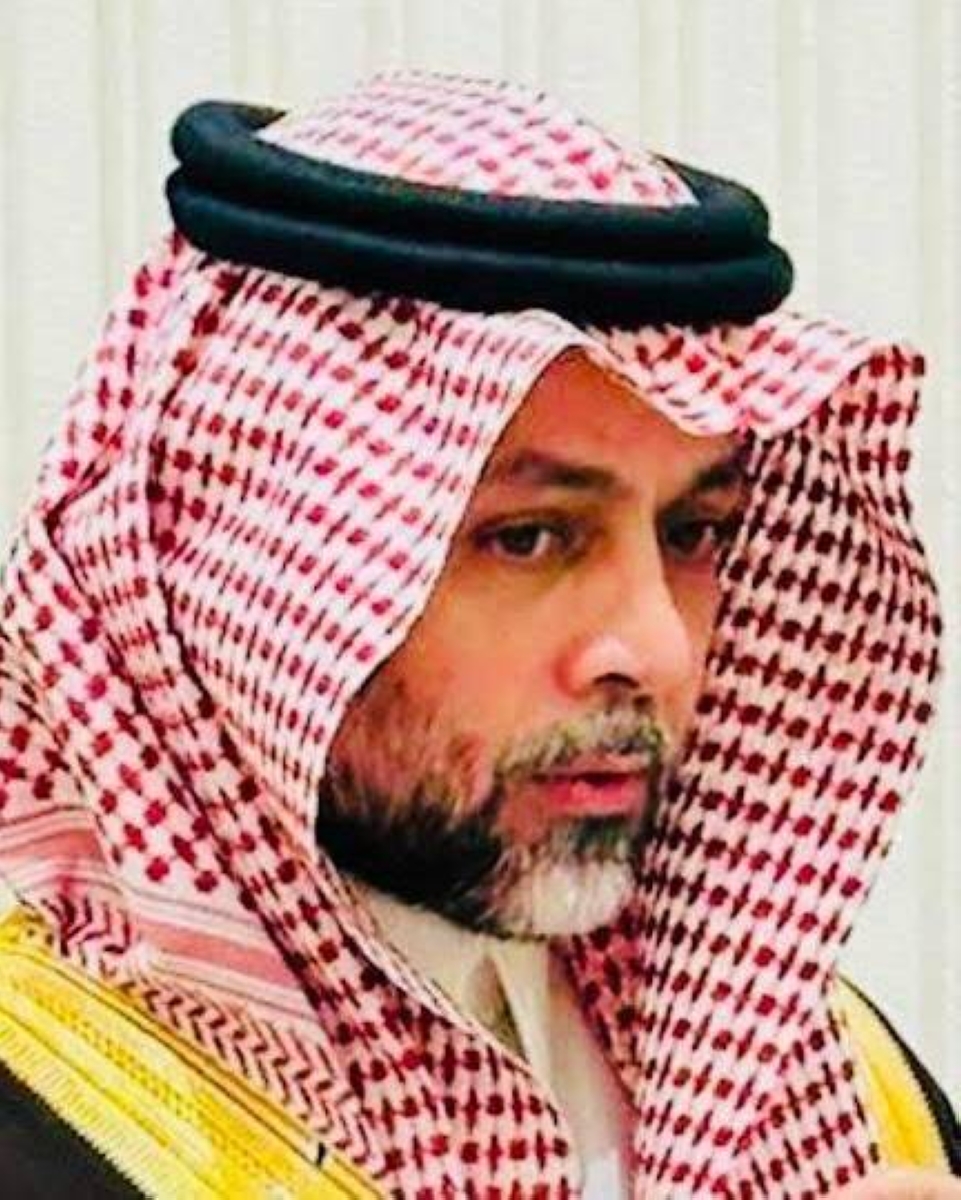
قدّم الباحث عبدالعزيز الأدهم عبدالعزيز القعيشيش معالجة أكاديمية تتجاوز النظرة التقليدية التي تضع الديمقراطية في خانة «النظام المثالي» للحكم، متخذاً الحالة السويسرية مثالاً، وعمل على تفكيك آليات الديمقراطية المباشرة، وما تتيحه من مشاركة واسعة مقابل ما تفرضه من تعقيدات وبطء في صناعة القرار.
واستلهم القعيشيش من أطروحته للماجستير حول الديمقراطية ومقارنتها بالنظام الملكي، دراسة حالة للتجربة السويسرية وانعكاسها على النموذج السعودي الذي أثبت نجاحه في الجمع بين الاستقرار السياسي والتنمية الشاملة.
الديمقراطية: سياق لا وصفة جاهزة
يشير القعيشيش إلى أن الديمقراطية ليست قالباً ثابتاً يُصدّر للدول كما هو، بل تجربة تتشكل وفق التاريخ والمجتمع والثقافة، فالتجربة السويسرية -بما تحمله من خصوصية فيدرالية وتعدد لغوي وثقافي- تقدم نموذجاً غنياً، لكنه لا يصلح بالضرورة كحلٍّ جاهز لغيرها من الدول.
وبعد تفحّص المزايا والعيوب، توصّل الباحث القعيشيش إلى قناعة أن النظام الملكي يمثل صيغة أكثر نجاحاً لاستقرار الشعوب، فالملكية تمنح الدول مرجعية عليا جامعة تعلو على تقلبات الانتخابات وصراعات الأحزاب، وتؤمّن استمرارية القيادة.
ويستشهد في ذلك بالمملكة العربية السعودية التي أثبتت نجاح النموذج الملكي في الجمع بين الأصالة والمعاصرة، وتحقيق استقرار سياسي وتنمية اقتصادية كبرى، ضمن إطار رؤية 2030.
مكيافيلي بين السياسة والإنسانية
استحضر القعيشيش فلسفة «نيقولا مكيافيلي» معتبراً أن بعض أفكاره ما تزال واقعية ومؤثرة، يقول مكيافيلي: «إذا كنت ستؤسس مدينة جديدة أو نظاماً جديداً، فاقطع صلتك بما كان قبله، فالناس لا يتقبلون أنصاف التغييرات»، وهي مقولة تجد صداها اليوم في مشاريع التحول العميقة التي تشهدها المملكة العربية السعودية بطريقةٍ أكثر نضجاً وأخلاقية واحتراماً للإرث القائم، اذ يُبنى الجديد على أسس راسخة لا تلغي ما سبقها بل تطوره وتُعززه.
ولم يكن مكيافيلي براغماتياً جامداً فحسب، بل لامس أيضاً البعد الإنساني حين قال: «لأن حزن النساء عميق وجرحهن غائر، فالرجل الذي أسعد امرأة حزينة فعل شيئاً عظيماً، كأنما قتل كل الحزن في هذا العالم»، وهي إشارة بليغة إلى أن القيادة لا تقوم بالقوة وحدها، بل بقدرتها على مداواة آلام الناس، وملامسة مشاعر الشعوب، وتحقيق تطلعاتهم.
وخلص القعيشيش إلى أن النموذج السعودي يبرز بوضوح: قوة في القيادة مقرونة برحمة في التعامل، كما هو حال قيادة بلاد الحرمين الشريفين التي جمعت بين الحزم والإنسانية، فكانت قادرة على قيادة التحولات الكبرى بثبات وعدل ورحمة.
دروس لعصر التحديات
يرى القعيشيش أن النظرية المكيافيلية، إذا فُهمت في إطارها الواقعي، تظل ذات قيمة في عصر تتسارع التكنولوجيا وتتعاظم التحديات الاجتماعية والسياسية. فالشعوب اليوم أكثر جرأة على الأنظمة، ما يفرض على الحاكم امتلاك أدواتٍ حازمة وواقعية لحماية استقرار الدولة. ويؤكد الباحث في دراسته أن الديمقراطية ليست نظاماً مثالياً صالحاً لكل زمان ومكان، بل قد تتحول في بعض البيئات إلى عبءٍ على الاستقرار. أما الملكية، برمزيتها التاريخية والسياسية، فتبقى النموذج الأقدر على الجمع بين الشرعية والاستقرار، تماماً كما هو الحال في المملكة العربية السعودية التي تمثل شاهداً حياً على قدرة النظام الملكي على قيادة التحولات الكبرى بثقة وتوازن.
The researcher Abdulaziz Al-Adham Abdulaziz Al-Qaishish presented an academic treatment that transcends the traditional view which places democracy in the category of "ideal system" of governance, using the Swiss case as an example. He worked on dismantling the mechanisms of direct democracy and what it allows in terms of broad participation versus the complications and slowness it imposes on decision-making.
Al-Qaishish drew inspiration from his master's thesis on democracy and its comparison with the monarchy, studying the Swiss experience and its reflection on the Saudi model, which has proven successful in combining political stability and comprehensive development.
Democracy: A Context, Not a Ready-Made Recipe
Al-Qaishish points out that democracy is not a fixed mold exported to countries as it is, but rather an experience shaped by history, society, and culture. The Swiss experience—with its unique federalism and linguistic and cultural diversity—provides a rich model, but it is not necessarily a ready-made solution for other countries.
After examining the advantages and disadvantages, researcher Al-Qaishish concluded that the monarchy represents a more successful formula for the stability of nations. Monarchy provides countries with a supreme reference that transcends the fluctuations of elections and party conflicts, ensuring continuity of leadership.
He cites the Kingdom of Saudi Arabia as a successful example of the monarchical model in combining authenticity and modernity, achieving political stability and significant economic development within the framework of Vision 2030.
Machiavelli Between Politics and Humanity
Al-Qaishish invoked the philosophy of "Niccolò Machiavelli," considering that some of his ideas remain realistic and influential. Machiavelli says: "If you are going to establish a new city or a new system, sever your ties with what came before, for people do not accept half-measures," a statement that resonates today in the deep transformation projects witnessed in the Kingdom of Saudi Arabia in a more mature, ethical, and respectful manner towards the existing legacy, as the new is built on solid foundations that do not negate what preceded it but rather develop and enhance it.
Machiavelli was not only a rigid pragmatist but also touched on the human dimension when he said: "Because the sorrow of women is deep and their wounds are profound, the man who brings joy to a sad woman has done something great, as if he has killed all the sorrow in this world." This is a poignant reminder that leadership does not rely solely on power but on its ability to heal people's pain, touch the feelings of nations, and fulfill their aspirations.
Al-Qaishish concluded that the Saudi model clearly highlights: strength in leadership coupled with compassion in dealings, as is the case with the leadership of the Two Holy Mosques, which combines firmness and humanity, being capable of leading major transformations with stability, justice, and mercy.
Lessons for an Era of Challenges
Al-Qaishish believes that Machiavellian theory, if understood in its realistic context, remains valuable in an era where technology is accelerating and social and political challenges are growing. Today, people are bolder towards regimes, which imposes on rulers the necessity of possessing firm and realistic tools to protect the stability of the state. The researcher emphasizes in his study that democracy is not an ideal system suitable for all times and places; rather, it can become a burden on stability in some environments. On the other hand, monarchy, with its historical and political symbolism, remains the most capable model of combining legitimacy and stability, just as is the case in the Kingdom of Saudi Arabia, which stands as a living testament to the ability of the monarchical system to lead major transformations with confidence and balance.