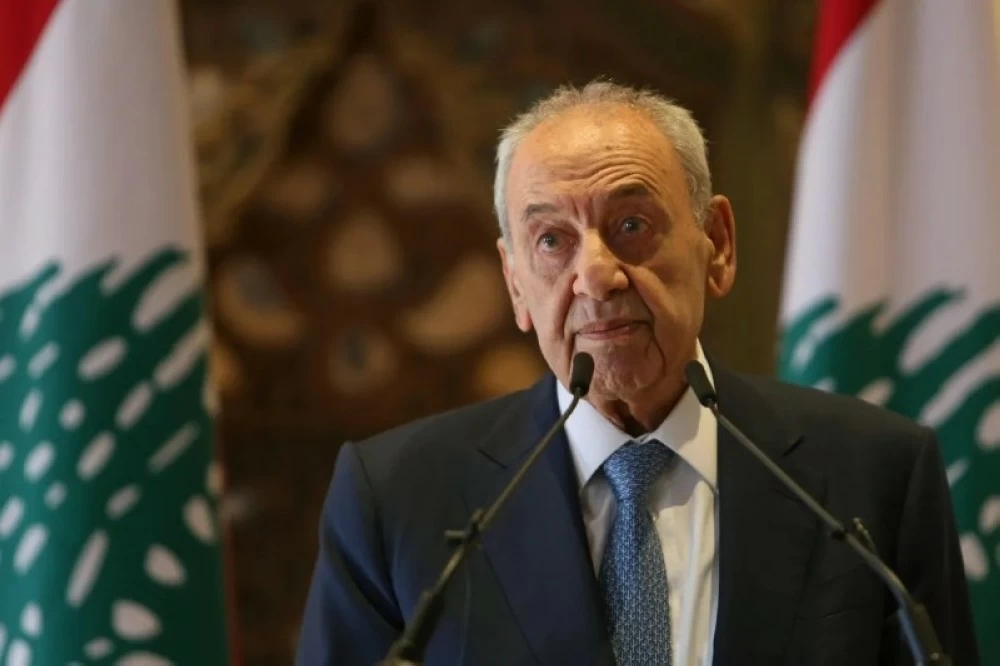
قال رئيس مجلس النواب اللبناني نبيه بري، إن مهمة المفاوض اللبناني في لجنة مراقبة اتفاق وقف إطلاق النار مع إسرائيل «تقنية بحتة».
إدخال مدنيين إلى الميكانيزم
وأضاف بري أن مهمة المفاوض المدني سيمون كرم، الذي عينه الرئيس جوزيف عون حديثاً على رأس الوفد اللبناني ضمن لجنة «مراقبة اتفاق وقف إطلاق النار» أو ما تعرف بلجنة «الميكانيزم»، تقنية فقط وليست سياسية. وشدد على أنه «لا يعترف إلا بالمهمة التقنية».
وخلال مقابلة صحفية، نشرت اليوم (الجمعة)، قال بري: «المهم بالنسبة لي هو ماذا سيفعله كرم؟ هل هو وقف النار والانتهاكات والانسحاب؟ إذا كان كذلك فلا مشكلة.. أما سوى ذلك فلا أتعرّف إليه».
وشدد على أن «المهمة والنتيجة بالنسبة إليه أهم من الشخص أو الاسم»، مضيف «كنت أول من طرح التفاوض وإدخال مدنيين إلى «الميكانيزم»، لكن في سياق مهمة تقنية بحتة ليس أكثر».
وأكد رئيس البرلمان أن «المطلوب وقف النار وتثبيته وإعادة الأسرى ووقف الانتهاكات والخروقات الإسرائيلية نهائياً، والانسحاب من كل الأراضي اللبنانية المحتلة وليس أي شيء آخر».
المرة الأولى منذ عقود
وانشغل الشارع اللبناني خلال اليومين الماضيين بمسألة تعيين كرم من أجل إجراء مفاوضات مباشرة مع الجانب الإسرائيلي.
وكان وزير الإعلام اللبناني بول مرقص، أعلن أمس (الخميس)، أن رئيس الجمهورية كلف الدبلوماسي السابق بالتفاوض مع إسرائيل حول المسائل الأمنية فقط، في إشارة إلى أنه لا مفاوضات سياسية مع تل أبيب.
وانضم السفير اللبناني السابق سيمون كرم، والمدير الأعلى للسياسة الخارجية في مجلس الأمن القومي الإسرائيلي يوري رسنيك إلى اجتماع «لجنة مراقبة وقف الأعمال العدائية» الأربعاء الماضي، في خطوة رحبت بها الولايات المتحدة وفرنسا، المشاركتان في اللجنة مع اليونيفيل.
اتفاق على الورق
وكانت هذه المرة الأولى منذ العام 1983 التي يجري فيها البلدان مفاوضات مباشرة يترأسها مدنيون. فبعد الاجتياح الإسرائيلي للبنان في العام 1982، أجرى البلدان مفاوضات انتهت بالتوصل إلى اتفاق لوقف الحرب بينهما وإقامة لجنة اتصال، عُرف باتفاق 17 مايو. وأقر البرلمان اللبناني هذا الاتفاق قبل أن تلغيه السلطة التنفيذية لاحقاً.
وتوصلت إسرائيل ولبنان في 27 نوفمبر 2024 إلى اتفاق لوقف إطلاق النار بعد عام من مواجهة دامية بدأت إثر فتح حزب الله ما سمّاها «جبهة إسناد» من الجنوب اللبناني لدعم قطاع غزة.
لكن رغم سريان الاتفاق، لا تزال إسرائيل تنفّذ غارات يومية على مناطق مختلفة في الجنوب اللبناني، كما أبقت على قواتها في 5 مرتفعات في الجنوب.
The Speaker of the Lebanese Parliament, Nabih Berri, stated that the task of the Lebanese negotiator in the ceasefire monitoring committee with Israel is "purely technical."
Involving civilians in the mechanism
Berri added that the task of the civilian negotiator, Simon Karam, who was recently appointed by President Joseph Aoun to lead the Lebanese delegation in the "Ceasefire Monitoring Agreement" committee, also known as the "mechanism," is purely technical and not political. He emphasized that he "only recognizes the technical mission."
During a press interview published today (Friday), Berri said: "What matters to me is what Karam will do? Is it to stop the fire, the violations, and the withdrawal? If so, there is no problem... Otherwise, I do not recognize it."
He stressed that "the mission and the result are more important to him than the person or the name," adding, "I was the first to propose negotiations and involving civilians in the 'mechanism,' but within the context of a purely technical mission, nothing more."
The Speaker of Parliament confirmed that "what is required is to stop the fire, solidify it, return the prisoners, permanently stop the Israeli violations and breaches, and withdraw from all occupied Lebanese territories, and nothing else."
For the first time in decades
The Lebanese street has been preoccupied over the past two days with the appointment of Karam to conduct direct negotiations with the Israeli side.
Lebanese Information Minister Paul Marqas announced yesterday (Thursday) that the President had tasked the former diplomat with negotiating with Israel only on security matters, indicating that there are no political negotiations with Tel Aviv.
Former Lebanese Ambassador Simon Karam and the Senior Director of Foreign Policy at the Israeli National Security Council, Yuri Resnik, joined the "Ceasefire Monitoring Committee" meeting last Wednesday, a move welcomed by the United States and France, which are participating in the committee along with UNIFIL.
A paper agreement
This was the first time since 1983 that the two countries conducted direct negotiations led by civilians. After the Israeli invasion of Lebanon in 1982, the two countries held negotiations that resulted in an agreement to stop the war between them and establish a liaison committee, known as the May 17 Agreement. The Lebanese Parliament approved this agreement before the executive authority later annulled it.
Israel and Lebanon reached a ceasefire agreement on November 27, 2024, after a year of bloody confrontations that began when Hezbollah opened what it called a "support front" from southern Lebanon to assist the Gaza Strip.
However, despite the agreement being in effect, Israel continues to carry out daily airstrikes on various areas in southern Lebanon and has maintained its forces in five heights in the south.