كشف مسؤولان في البيت الأبيض أن ميلانيا ترمب (زوجة الرئيس الأمريكي دونالد ترمب)، التي لم ترافق زوجها إلى ألاسكا، وجّهت رسالة شخصية إلى الرئيس الروسي فلاديمير بوتين، ركّزت فيها على معاناة الأطفال في أوكرانيا وروسيا جراء الحرب المستمرة.
وبحسب ما نشرته وكالة رويترز، أنه لم يتم الكشف عن المحتوى الكامل للرسالة، لكن المصادر أكدت أنها تناولت الآثار النفسية والإنسانية لهذه الأزمة، إلا أنها ركّزت بشكل خاص على قضية اختطاف الأطفال الأوكرانيين ونقلهم إلى روسيا أو المناطق الخاضعة لسيطرتها.
تأتي هذه الخطوة في وقت حساس، إذ يواجه العالم تحديات دبلوماسية معقدة لإنهاء النزاع في أوكرانيا، ورغم فشل القمة في التوصل إلى هدنة، فإن رسالة ميلانيا أضافت بُعدًا إنسانيًا للنقاشات، مشيرة إلى الجانب الإنساني الكارثي للحرب.
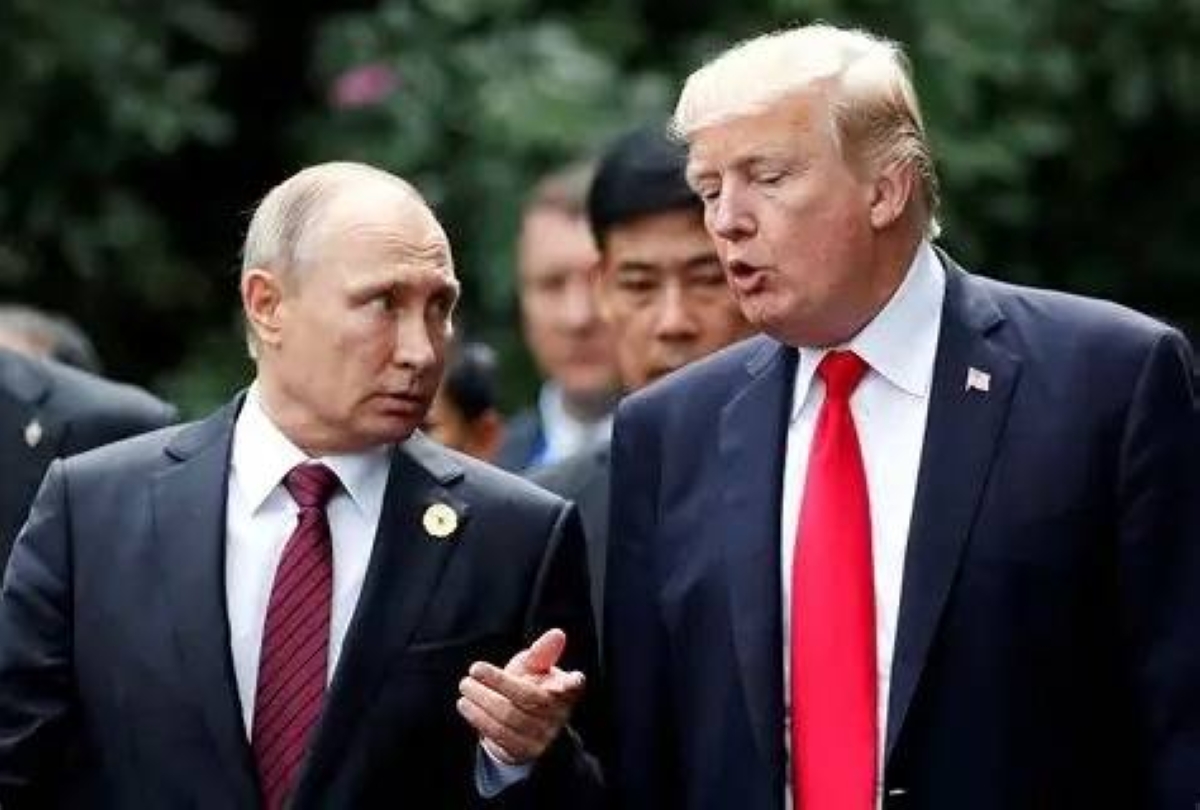
وعقد الرئيس الأمريكي دونالد ترامب والرئيس الروسي فلاديمير بوتين قمة في قاعدة إلمندورف-ريتشاردسون العسكرية في أنكوريدج، ألاسكا، يوم الجمعة، استمرت المحادثات نحو ثلاث ساعات، ركزت بشكل أساسي على الأزمة الأوكرانية، لكنها لم تسفر عن اتفاق لوقف إطلاق النار.
ووسط هذه المحادثات السياسية المعقدة، برزت خطوة إنسانية لافتة تمثلت في رسالة شخصية من السيدة الأولى ميلانيا ترمب إلى بوتين، سلّمها ترمب بنفسه خلال القمة.
ميلانيا، التي تنحدر من سلوفينيا، كانت قد أبدت اهتمامًا سابقًا بقضايا الأطفال، لا سيما في سياق تأثير الحروب ووسائل التواصل الاجتماعي على النشء، في مارس 2025، نشرت تصريحًا عبر منصة «إكس» عبرت فيه عن قلقها إزاء تأثير السلوكيات الرقمية المسيئة على الأطفال والمجتمعات، مما يعكس اهتمامها المستمر بالقضايا الإنسانية.
وتُعد رسالة ميلانيا خطوة رمزية تحمل دلالات إنسانية وسياسية، من الناحية الإنسانية، تلقي الضوء على واحدة من أكثر القضايا حساسية في الحرب الأوكرانية، وهي مصير الأطفال الذين تأثروا بالنزاع، سياسيًا، قد تكون محاولة لتخفيف التوترات بين الولايات المتحدة وروسيا من خلال نهج دبلوماسي غير تقليدي.
ومنذ بدء الحرب الروسية الأوكرانية في فبراير 2022، أثارت قضية نقل الأطفال الأوكرانيين إلى روسيا أو المناطق الخاضعة لسيطرتها جدلاً دوليًا واسعًا، وتقدر الحكومة الأوكرانية أن عشرات الآلاف من الأطفال تم ترحيلهم قسرًا، بعضهم دون موافقة أولياء أمورهم، مما دفع كييف إلى وصف هذه الأفعال بأنها جرائم حرب وانتهاكات للقانون الدولي، بما يتماشى مع تعريف معاهدة الأمم المتحدة للإبادة الجماعية.
في المقابل، وصفت روسيا تلك الخطوة بأنها تقوم بحماية هؤلاء الأطفال من مخاطر الحرب. وقد أكدت تقارير الأمم المتحدة معاناة ملايين الأطفال الأوكرانيين وانتهاك حقوقهم نتيجة النزاع.
Two officials at the White House revealed that Melania Trump (the wife of U.S. President Donald Trump), who did not accompany her husband to Alaska, sent a personal message to Russian President Vladimir Putin, focusing on the suffering of children in Ukraine and Russia due to the ongoing war.
According to what was published by Reuters, the full content of the message has not been disclosed, but sources confirmed that it addressed the psychological and humanitarian impacts of this crisis, particularly emphasizing the issue of the abduction of Ukrainian children and their transfer to Russia or areas under its control.
This step comes at a sensitive time, as the world faces complex diplomatic challenges to end the conflict in Ukraine. Despite the summit failing to reach a ceasefire agreement, Melania's message added a humanitarian dimension to the discussions, highlighting the catastrophic human aspect of the war.
U.S. President Donald Trump and Russian President Vladimir Putin held a summit at the Elmendorf-Richardson military base in Anchorage, Alaska, on Friday, where the talks lasted about three hours, primarily focusing on the Ukrainian crisis, but did not result in a ceasefire agreement.
Amid these complex political discussions, a notable humanitarian step emerged in the form of a personal message from First Lady Melania Trump to Putin, which Trump himself delivered during the summit.
Melania, who hails from Slovenia, had previously expressed interest in children's issues, particularly in the context of the impact of wars and social media on youth. In March 2025, she published a statement via the "X" platform expressing her concern about the effects of abusive digital behaviors on children and communities, reflecting her ongoing interest in humanitarian issues.
Melania's message is a symbolic step carrying humanitarian and political implications. Humanitarian-wise, it sheds light on one of the most sensitive issues in the Ukrainian war, which is the fate of children affected by the conflict. Politically, it may be an attempt to ease tensions between the United States and Russia through an unconventional diplomatic approach.
Since the start of the Russian-Ukrainian war in February 2022, the issue of transferring Ukrainian children to Russia or areas under its control has sparked widespread international controversy. The Ukrainian government estimates that tens of thousands of children have been forcibly deported, some without the consent of their guardians, prompting Kyiv to describe these actions as war crimes and violations of international law, in line with the United Nations Convention on the Prevention and Punishment of the Crime of Genocide.
In contrast, Russia has described this step as protecting these children from the dangers of war. United Nations reports have confirmed the suffering of millions of Ukrainian children and the violation of their rights as a result of the conflict.