


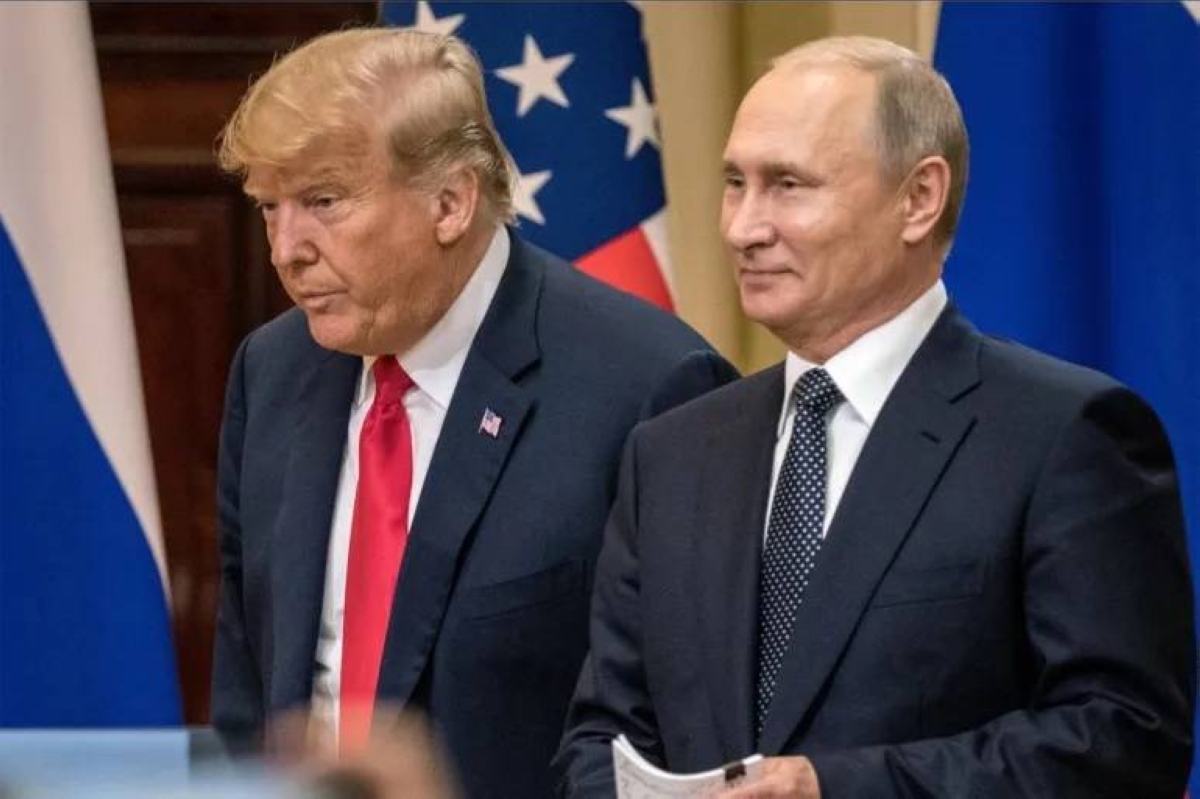
رجّحت مجلة «نيوزويك» الأمريكية 4 مسارات محتملة لنتائج قمة ألاسكا بين الرئيسين الأمريكي دونالد ترمب والروسي فلاديمير بوتين.
وقالت إن القمة تكشف اعتماد أوروبا على الضمانات الأمنية الأمريكية، في وقت تجد فيه نفسها في موقع رد الفعل على تحركات ترمب بدل قيادة المبادرات لإنهاء الحرب.
واعتبر رفائيل لوس، من المجلس الأوروبي للعلاقات الخارجية، أن «حلفاء كييف عالقون في نمط يتجاوبون فيه مع تحركات ترمب بدلا من تشكيل الجهود الدبلوماسية لإنهاء الحرب».
وقال إن هذا يظهر اعتماد أوروبا على الضمانات الأمنية الأمريكية والعلاقات التجارية المواتية، مضيفا أن الاتحاد الأوروبي سيكون من المستحيل عليه تحدي أي اتفاق أمريكي-روسي خشية فقدان الدعم الأمريكي.
وحسب الصحيفة فإنه بعد القمة، يجب على قادة أوروبا وأوكرانيا الاستعداد لرغبة ترمب في تطبيع العلاقات مع روسيا، ولإبقاء بوتين ترمب في دائرة وعود غامضة.
ونقلت «نيوزويك» عن أستاذ الاقتصاد في كلية لندن للأعمال ريتشارد بورتس، قوله: إن «الصورة رائعة لبوتين»، إذ يتم الترحيب به في الولايات المتحدة.
فيما رأت يانا كوبزوفا من المجلس الأوروبي للعلاقات الخارجية أن الاجتماع يعني فعليا نهاية عزلة بوتين الدولية وحصوله على قمة مع ترمب من دون تقديم أي تنازلات.
وقالت إن النتيجة الأكثر تفضيلا لروسيا ستكون تحييد الولايات المتحدة بشأن أوكرانيا، مع تقليل مشاركتها في الجهود لإنهاء الحرب ووقف المساعدات العسكرية لكييف.
وأضافت فاليري سبيرلينغ من جامعة كلارك، أن بوتين قد يخرج مستفيدًا من القمة مهما كانت نتائجها، ويمكنه تصوير رفض زيلينسكي لأي تنازلات على أنه عدم تعاون.
وتوقعت «ديلي تلغراف» أن يعرض ترمب حوافز اقتصادية على بوتين، بما في ذلك فتح الوصول إلى الموارد الطبيعية قبالة سواحل ألاسكا، وهو ما لم يتم تأكيده.
وتشمل فرص الأعمال معادن في الأراضي الأوكرانية المحتلة ورفع العقوبات الأمريكية عن صناعة الطيران الروسية.
وفي رأي فوك فوكسانوفيتش من كلية لندن للاقتصاد، فإن روسيا لا تملك حوافز للتوصل إلى وقف لإطلاق النار أو التنازل عن مطالبها الأساسية، وتعتقد أن وضعها الميداني يتحسن مع الوقت.
فيما استبعد الخبير الاقتصادي كونستانتين سونين من جامعة شيكاغو، أن تسفر القمة عن نتائج ملموسة، لأن «بوتين لن يقلل من مطالبه، وزيلينسكي في موقف صعب، وإذا تخلت أوكرانيا عن دفاعاتها فسيهاجم بوتين مجددا».
ما النتائج المتوقعة للقمة الأمريكية - الروسية؟
15 أغسطس 2025 - 15:50
|
آخر تحديث 15 أغسطس 2025 - 15:50


تابع قناة عكاظ على الواتساب
«عكاظ» وكالات (جدة، عواصم) okaz_online@
The American magazine "Newsweek" suggested 4 potential outcomes for the Alaska summit between U.S. President Donald Trump and Russian President Vladimir Putin.
It stated that the summit reveals Europe's reliance on American security guarantees, at a time when it finds itself in a reactive position to Trump's moves rather than leading initiatives to end the war.
Rafael Loss from the European Council on Foreign Relations considered that "Kyiv's allies are stuck in a pattern where they respond to Trump's moves instead of shaping diplomatic efforts to end the war."
He said this shows Europe's dependence on American security guarantees and favorable trade relations, adding that it would be impossible for the European Union to challenge any U.S.-Russian agreement for fear of losing American support.
According to the newspaper, after the summit, European and Ukrainian leaders should prepare for Trump's desire to normalize relations with Russia, and to keep Putin and Trump in a circle of vague promises.
"Newsweek" quoted Richard Portes, an economics professor at the London Business School, saying: "The picture is great for Putin," as he is welcomed in the United States.
Meanwhile, Yana Kobsova from the European Council on Foreign Relations viewed the meeting as effectively marking the end of Putin's international isolation and his obtaining a summit with Trump without making any concessions.
She stated that the most favorable outcome for Russia would be the neutralization of the United States regarding Ukraine, with a reduction in its involvement in efforts to end the war and a halt to military aid to Kyiv.
Valery Spirling from Clark University added that Putin could emerge benefiting from the summit regardless of its outcomes, and he could portray Zelensky's refusal of any concessions as a lack of cooperation.
The "Daily Telegraph" predicted that Trump would offer economic incentives to Putin, including opening access to natural resources off the coast of Alaska, which has not been confirmed.
Business opportunities include minerals in occupied Ukrainian territories and lifting U.S. sanctions on the Russian aviation industry.
In the opinion of Vuk Vuksanovic from the London School of Economics, Russia has no incentives to reach a ceasefire or concede its core demands, believing that its field position is improving over time.
Meanwhile, economist Konstantin Sonin from the University of Chicago ruled out that the summit would yield tangible results, as "Putin will not reduce his demands, and Zelensky is in a difficult position; if Ukraine abandons its defenses, Putin will attack again."
It stated that the summit reveals Europe's reliance on American security guarantees, at a time when it finds itself in a reactive position to Trump's moves rather than leading initiatives to end the war.
Rafael Loss from the European Council on Foreign Relations considered that "Kyiv's allies are stuck in a pattern where they respond to Trump's moves instead of shaping diplomatic efforts to end the war."
He said this shows Europe's dependence on American security guarantees and favorable trade relations, adding that it would be impossible for the European Union to challenge any U.S.-Russian agreement for fear of losing American support.
According to the newspaper, after the summit, European and Ukrainian leaders should prepare for Trump's desire to normalize relations with Russia, and to keep Putin and Trump in a circle of vague promises.
"Newsweek" quoted Richard Portes, an economics professor at the London Business School, saying: "The picture is great for Putin," as he is welcomed in the United States.
Meanwhile, Yana Kobsova from the European Council on Foreign Relations viewed the meeting as effectively marking the end of Putin's international isolation and his obtaining a summit with Trump without making any concessions.
She stated that the most favorable outcome for Russia would be the neutralization of the United States regarding Ukraine, with a reduction in its involvement in efforts to end the war and a halt to military aid to Kyiv.
Valery Spirling from Clark University added that Putin could emerge benefiting from the summit regardless of its outcomes, and he could portray Zelensky's refusal of any concessions as a lack of cooperation.
The "Daily Telegraph" predicted that Trump would offer economic incentives to Putin, including opening access to natural resources off the coast of Alaska, which has not been confirmed.
Business opportunities include minerals in occupied Ukrainian territories and lifting U.S. sanctions on the Russian aviation industry.
In the opinion of Vuk Vuksanovic from the London School of Economics, Russia has no incentives to reach a ceasefire or concede its core demands, believing that its field position is improving over time.
Meanwhile, economist Konstantin Sonin from the University of Chicago ruled out that the summit would yield tangible results, as "Putin will not reduce his demands, and Zelensky is in a difficult position; if Ukraine abandons its defenses, Putin will attack again."


