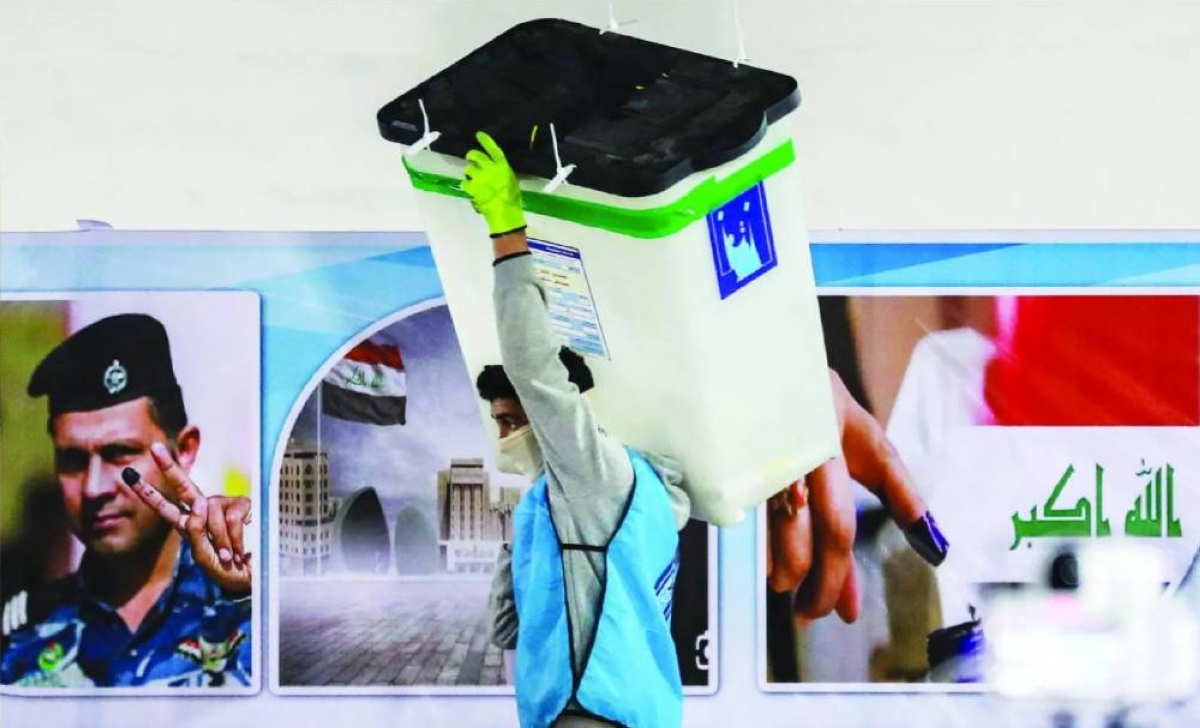
في سياق الاستعدادات للانتخابات النيابية العراقية المزمع إجراؤها في شهر نوفمبر القادم، تتصاعد وتيرة الخلافات السياسية والانقسامات بين القوى الفاعلة، ما يلقي بظلال من الشك على مصير العملية الانتخابية برمتها، وانعكاسات ذلك على عموم المشهد السياسي الذي بات أكثر تعقيدًا مع تزايد حدة الصراعات الداخلية وتدخل أطراف خارجية.
تتجلى حالة الاحتقان السياسي في العراق بوضوح عبر تصريحات ومواقف العديد من الشخصيات المؤثرة. إذ أثار رئيس مجلس النواب محمود المشهداني، الجدل بتلميحاته حول احتمال تأجيل الانتخابات وتشكيل حكومة طوارئ، ما زاد من حالة القلق العام.
ولم يكن تصريح وزير الخارجية السابق هوشيار زيباري، أقل تأثيرا، إذ لفت إلى أن المنطقة وليس العراق وحده قد تشهد أحداثًا كبرى في الشهر القادم، قد تؤدي إلى تأجيل الانتخابات.
هذه التصريحات، لم تكن مجرد آراء شخصية، بل عكست انقسامات عميقة ظهرت جليًا في الخلاف بين رئيس البرلمان ونائبه حول كيفية تمرير القوانين. في وقت تصاعدت فيه حرب الملفات بين رئيس الوزراء السابق نوري المالكي ورئيس الوزراء الحالي محمد شياع السوداني، وهي حرب تسلط الضوء على الصراعات بشأن النفوذ والسلطة.
وفي خطوة مثيرة للجدل، تم إقصاء عدد كبير من المرشحين بحجة شمولهم بقانون المساءلة والعدالة، رغم أن بعضهم كانوا نوابًا لأكثر من دورة برلمانية، ما يثير تساؤلات حول استخدام هذا القانون من القوى المتنفذة كأداة للإقصاء السياسي ضد الخصوم، في حين لم تشمل إجراءات المساءلة والعدالة ذات المشمولين بها عندما كانوا ينتمون لنفس القوى المتنفذة.
لم تكن الخلافات السياسية وحدها هي ما يشعل الأجواء، بل أضافت الحوادث الأمنية بعدًا جديدًا للتوتر، وجاءت حادثة دائرة الزراعة في بغداد، التي شهدت مصادمات مسلحة بين عناصر من مليشيا كتائب حزب الله والقوات الأمنية الرسمية، لتكشف هشاشة الوضع الأمني وعمق الانقسام بين المؤسسات الرسمية والجماعات المسلحة.
وأثارت نتائج اللجنة التحقيقية، التي أعلنت تقصير عناصر الكتائب وأعفت آمري الألوية في الحشد الشعبي، غضب المليشيا، ما أدى إلى توتر إضافي في العلاقة بين رئيس الوزراء وهذه القوى. وتجلّى هذا التوتر بوضوح في تغريدة «أبو علي العسكري» التي حاول فيها التقليل من شأن المؤسسات العسكرية والأمنية الرسمية في تحدٍ صريح لسلطة الدولة.
وفي ضوء تعقيدات المشهد السياسي والأمني، وضبابية مواقف بعض القوى السياسية التي تناور لتحقيق المكاسب، يجد الساسة أنفسهم أمام خيار تدعمه بشكل خاص أطراف السياسية الداعمة للمليشيات العراقية، التي ترى في الانتخابات فرصة للحصول على أغلبية نيابية تمكنها من تمرير قانون الحشد الشعبي داخل البرلمان لضمان نفوذها وسلطتها المهددة بضغوط دولية تدعو لعدم تمرير القانون وأحيانا تهدد بفرض عقوبات على الدولة العراقية.
ويبرز الخيار الآخر لدى أطراف أخرى ترى مصلحتها في تأجيل الانتخابات، وهو خيار ينسجم إلى حد ما مع الرؤية الأمريكية والبريطانية التي عبر عنها السفير البريطاني في العراق، حين أشار إلى انتفاء الحاجة لوجود الحشد الشعبي بعد انتهاء خطر داعش، وضرورة حل الحشد ودمج مقاتليه في المؤسسة العسكرية الرسمية، وهو ما ترفضه المليشيات حتى الآن وترى فيه تهديدا وجوديا.
وتخشى قوى إقليمية من أن يقود تأجيل الانتخابات إلى حتمية تشكيل حكومة طوارئ، ما قد يهدد نفوذها السياسي والعسكري في العراق. لهذا، جاءت زيارة مستشار الأمن القومي الإيراني علي لاريجاني، إلى بغداد لحث الأطراف السياسية على إجراء الانتخابات في موعدها وضرورة إقرار قانون الحشد الشعبي، في محاولة للحفاظ على مكاسبها.
وفي المقابل، تستمر الولايات المتحدة في ممارسة الضغط على الحكومة العراقية بعدم إقرار قانون الحشد، وتهدد بعواقب وخيمة في حال عدم حل هذه الفصائل ودمجها في الجيش الرسمي.
ويبقى السؤال الذي يشغل بال العراقيين، هل ستجرى الانتخابات النيابية في موعدها؟ أم أن الصراعات الداخلية والتدخلات الخارجية في القرار العراقي ستدفع الأمور نحو تشكيل حكومة طوارئ، لتظل العملية السياسية محكومة بالتجاذبات والمصالح المتضاربة؟.
In the context of preparations for the upcoming Iraqi parliamentary elections scheduled for next November, the pace of political disputes and divisions among the active forces is escalating, casting shadows of doubt on the fate of the entire electoral process and its implications for the overall political scene, which has become more complicated with the increasing intensity of internal conflicts and external interventions.
The state of political tension in Iraq is clearly manifested through the statements and positions of many influential figures. The Speaker of the Parliament, Mahmoud al-Mashhadani, sparked controversy with his hints about the possibility of postponing the elections and forming an emergency government, which heightened public anxiety.
Former Foreign Minister Hoshyar Zebari's statement was no less impactful, as he pointed out that the region, not just Iraq, might witness major events next month that could lead to the postponement of the elections.
These statements were not merely personal opinions; they reflected deep divisions that were clearly evident in the disagreement between the Speaker of the Parliament and his deputy regarding how to pass laws. At the same time, the war of files between former Prime Minister Nouri al-Maliki and current Prime Minister Mohammed Shia' al-Sudani has intensified, highlighting the conflicts over influence and power.
In a controversial move, a large number of candidates were excluded under the pretext of being subject to the Accountability and Justice Law, despite some of them having served as deputies for more than one parliamentary term. This raises questions about the use of this law by influential forces as a tool for political exclusion against opponents, while those who were previously affiliated with the same influential forces were not subjected to the same accountability and justice measures.
Political disputes were not the only factors igniting tensions; security incidents added a new dimension to the unrest. The incident at the Agriculture Directorate in Baghdad, which witnessed armed clashes between elements of the Hezbollah Brigades militia and official security forces, revealed the fragility of the security situation and the deep division between official institutions and armed groups.
The results of the investigative committee, which announced the shortcomings of the militia's elements and exempted the brigade commanders in the Popular Mobilization Forces, provoked the militia's anger, leading to additional tension in the relationship between the Prime Minister and these forces. This tension was clearly manifested in a tweet by "Abu Ali al-Askari," who attempted to downplay the significance of the official military and security institutions in a blatant challenge to state authority.
In light of the complexities of the political and security scene, and the ambiguity of some political forces' positions that maneuver for gains, politicians find themselves facing a choice particularly supported by political factions backing the Iraqi militias, which see the elections as an opportunity to gain a parliamentary majority that would enable them to pass the Popular Mobilization Law within the parliament to ensure their influence and authority, which are threatened by international pressures calling for the law not to be passed and sometimes threatening to impose sanctions on the Iraqi state.
The other option is highlighted by other parties that see their interests in postponing the elections, a choice that somewhat aligns with the American and British vision expressed by the British ambassador in Iraq, who indicated that there is no longer a need for the Popular Mobilization Forces after the threat of ISIS has ended, and the necessity of dissolving the militia and integrating its fighters into the official military, which the militias still reject and see as an existential threat.
Regional powers fear that postponing the elections could lead to the inevitability of forming an emergency government, which could threaten their political and military influence in Iraq. Therefore, Iranian National Security Advisor Ali Larijani's visit to Baghdad aimed to urge political parties to hold the elections on time and to ensure the passage of the Popular Mobilization Law, in an attempt to preserve their gains.
In contrast, the United States continues to exert pressure on the Iraqi government not to pass the Popular Mobilization Law and threatens severe consequences if these factions are not dissolved and integrated into the official army.
The question that occupies the minds of Iraqis remains: Will the parliamentary elections be held on time? Or will internal conflicts and external interventions in Iraqi decision-making push matters toward the formation of an emergency government, leaving the political process governed by conflicting interests and tensions?