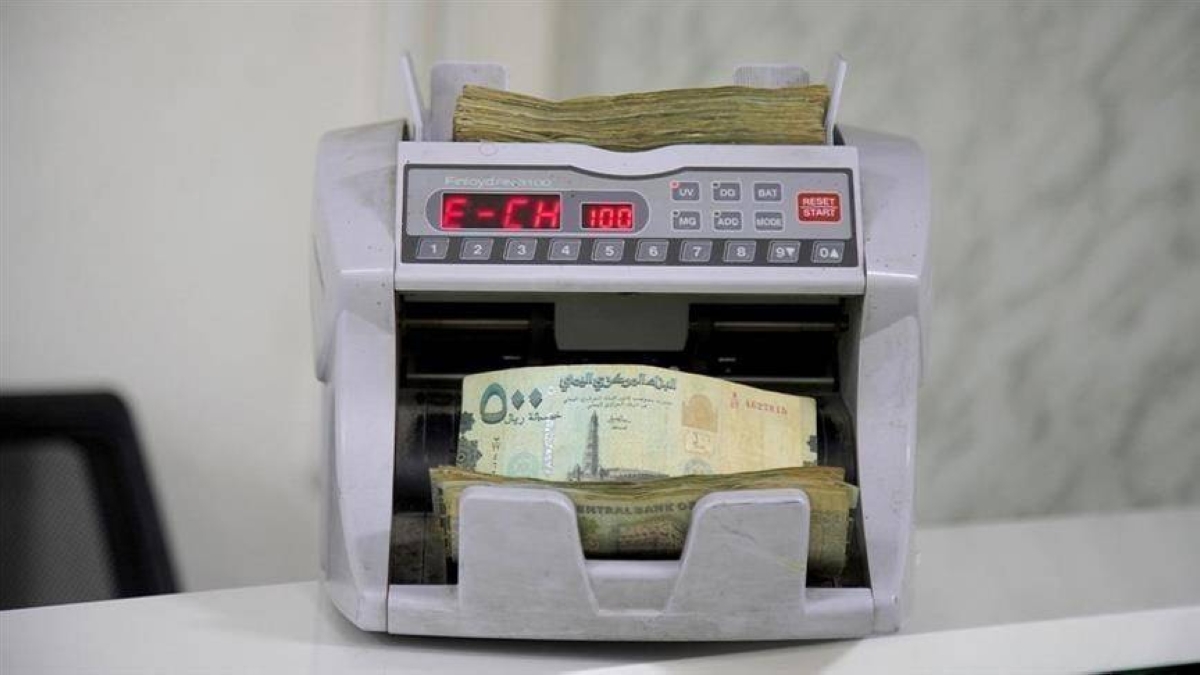
حظرت الحكومة اليمنية اليوم (الإثنين) استخدام العملات الأجنبية بدلاً من العملات الوطنية، في إطار الإصلاحات التي بدأتها الحكومة ونجحت في تعافي الريال اليمني أمام العملات الأجنبية بما نسبته 50%.
وأصدر مجلس الوزراء قراراً قضى بحظر استخدام العملات الأجنبية بديلاً عن العملة الوطنية في المعاملات التجارية والخدمية والتعاقدات المالية داخل البلاد، مشدداً على ضرورة أن يكون التعامل في جميع أنحاء المناطق والمحافظات المحررة اليمنية في المعاملات التجارية كافة من بيع وشراء السلع والخدمات والتعاقدات المالية بالعملة الوطنية (الريال اليمني).
وحظر القرار استخدام العملات الأجنبية بديلاً عن الريال اليمني في أي معاملات تجارية أو خدمية داخل البلاد لا تتطلب الدفع بالعملة الأجنبية مثل الرسوم الدراسية والعلاجية والإيجارات وتذاكر السفر... إلخ.
ووجه مجلس الوزراء وزراء الصناعة والتجارة، والعدل، والداخلية، ومحافظي المحافظات المحررة، باتخاذ الإجراءات الرقابية ومتابعة تنفيذ هذا القرار، وضبط المخالفين من الفئات المستهدفة بحسب الفقرات السابقة، وإحالتهم الى الجهة المختصة وفقاً للقانون، وإحاطة رئيس الوزراء بمستوى التنفيذ أولاً بأول.
في الوقت ذاته، عقد البنك المركزي اليمني بالعاصمة المؤقتة عدن اليوم اجتماعاً موسعاً ضم ممثلي الغرفة التجارية والصناعية والقطاع الخاص، والفريق التنفيذي للجنة الوطنية لتنظيم وتمويل الواردات.
وناقش الاجتماع الآلية التنفيذية لعملية تغطية الواردات من الخارج وفقاً للآلية والضوابط المعتمدة من قبل اللجنة الوطنية، وأهميتها في تحقيق الاستقرار النقدي، واستقرار الأسعار، ومنع عمليات المضاربة في سعر الصرف، والحد من التأثيرات السلبية الناتجة عن تصنيف الحوثي منظمة إرهابية دولية، بما يحمي القطاع المالي والقطاع التجاري المحلي، ويحافظ على استمرارية تدفق السلع والبضائع من الخارج، وتوفير الأمن الغذائي.
واستعرض الاجتماع بشكل مفصل الإجراءات والخطوات الخاصة بالتجار لاستكمال عمليات الصرافة والتحويل الخارجي لتغطية وارداتهم من الخارج وفقاً للمعايير والمتطلبات المحددة، وكيفية التقديم للطلبات من قبل البنوك وشركات الصرافة وعملية البت فيها، والانتظام بعمليات التوريدات النقدية اليومية أولاً بأول بالريال اليمني إلى الحسابات البنكية، وبما يؤدي إلى سلاسة عملية التوريد لاحتياجات البلاد من الواردات الأساسية والضرورية واستدامتها.
وكان البنك المركزي اليمني قد أصدر تعميم آلية تحويل الأموال من وإلى اليمن والوثائق المطلوبة والمبلغ المسموح به للتحويل، في إطار الرقابة القوية التي يفرضها على الأسواق والمساعي المستمرة لتحسين الاقتصاد الوطني.
The Yemeni government today (Monday) banned the use of foreign currencies instead of national currencies, as part of the reforms initiated by the government, which have successfully led to a recovery of the Yemeni rial against foreign currencies by 50%.
The Cabinet issued a decision prohibiting the use of foreign currencies as a substitute for the national currency in commercial, service, and financial transactions within the country, emphasizing the necessity for all transactions in the liberated areas and governorates of Yemen—whether buying or selling goods and services or financial contracts—to be conducted in the national currency (Yemeni rial).
The decision prohibited the use of foreign currencies instead of the Yemeni rial in any commercial or service transactions within the country that do not require payment in foreign currency, such as tuition fees, medical expenses, rents, and travel tickets, etc.
The Cabinet directed the Ministers of Industry and Trade, Justice, Interior, and the governors of the liberated governorates to take regulatory measures and monitor the implementation of this decision, apprehend violators from the targeted categories as per the previous paragraphs, and refer them to the competent authority according to the law, while keeping the Prime Minister informed of the level of implementation on an ongoing basis.
At the same time, the Central Bank of Yemen held an extensive meeting today in the temporary capital, Aden, which included representatives from the Chamber of Commerce and Industry, the private sector, and the executive team of the National Committee for Organizing and Financing Imports.
The meeting discussed the executive mechanism for covering imports from abroad according to the mechanisms and controls approved by the National Committee, and its importance in achieving monetary stability, price stability, preventing speculation in the exchange rate, and mitigating the negative impacts resulting from the designation of the Houthis as a terrorist organization, in a way that protects the financial and local commercial sectors and maintains the continuous flow of goods from abroad, ensuring food security.
The meeting detailed the procedures and steps for traders to complete currency exchange and external transfer operations to cover their imports from abroad according to the specified standards and requirements, how to submit requests by banks and exchange companies, the process of adjudicating them, and the regularity of daily cash supply operations in Yemeni rial to bank accounts, leading to a smooth supply process for the country’s essential and necessary imports and their sustainability.
The Central Bank of Yemen had issued a circular regarding the mechanism for transferring money to and from Yemen, the required documents, and the allowable amount for transfers, as part of the strong oversight it imposes on the markets and the ongoing efforts to improve the national economy.