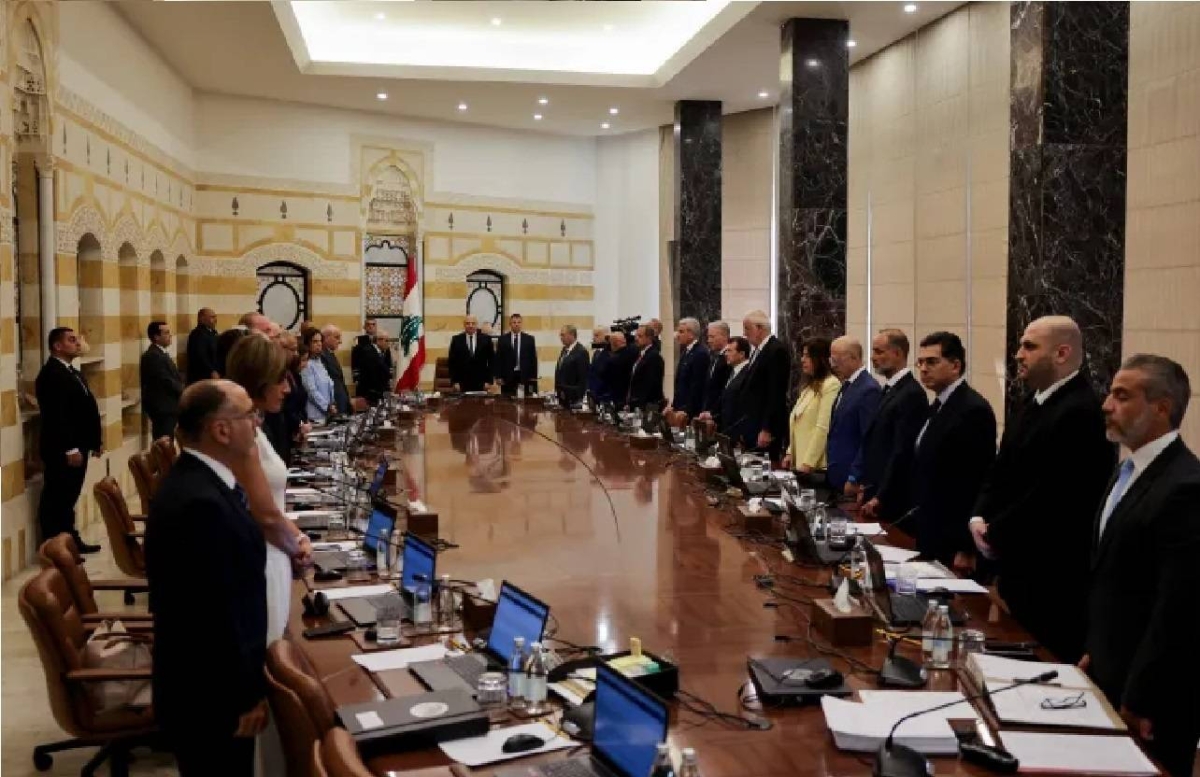
بعد تكليف الجيش بإعداد خطة تنفيذية تسلم قبل نهاية الشهر الجاري، تواصل الحكومة اللبنانية اليوم (الخميس) مناقشة ملف حصر السلاح بيد الدولة، وذلك بعد رفض حزب الله قرارات الحكومة.
وكثفت الحكومة اللبنانية خلال الساعات الماضية من مشاوراتها لإرساء جدول زمني واضح وإنشاء آليات تنفيذية فعالة، تمهيداً لعرض الخطة النهائية على مجلس الوزراء وتطبيقها بالكامل قبل نهاية العام الحالي.
قال وزير المهجرين اللبناني كمال شحادة في تصريحات لـ «العربية»، إن الحكومة لن تتراجع عن قرار حصر السلاح بيد الدولة.
وشددت الحكومة اللبنانية على ضرورة أن يضع الجيش خطة كاملة لحصر السلاح ويقرها مجلس الوزراء إلى جانب بنود الورقة الأمريكية على أن تبدأ المرحلة الثانية وتمتد من 15 إلى 60 يوماً ينزع فيها مختلف أنواع السلاح بما فيها المسيرات والقذائف على اختلافها والقنابل ويفكك 50% من هذه الأسلحة بحلول اليوم الثلاثين، قبل أن تبدأ إسرائيل بالانسحاب من 3 نقاط من أصل 5 متمركزة فيها بجنوب لبنان بحلول اليوم الستين.
وفي المرحلة الثالثة التي تمتد إلى من 60 إلى 90 يوماً يتم فيها استكمال انسحاب إسرائيل من الجنوب، وتنطلق مفاوضات لإطلاق سراح المعتقلين والبدء بورشة إعادة الإعمار، تهيئة لعودة النازحين لقراهم، وحل النقاط المتنازع عليها، وترسيم الحدود بين لبنان وإسرائيل.
وكان رئيس الوزراء اللبناني نواف سلام أعلن في يونيو الماضي تفكيك الجيش لأكثر من 500 موقع عسكري ومستودع أسلحة، في جنوب البلاد، تنفيذا لاتفاق وقف إطلاق النار.
وذكرت مصادر لبنانية أن حزب الله أبدى مرونة لناحية في الاستعداد لتسليم سلاحه الإستراتيجي (الصواريخ بعيدة المدى)، إذا انسحبت إسرائيل من مناطق تقدمت إليها خلال الحرب وسمحت ببدء إعادة إعمار المناطق المهدمة في الجنوب وأوقفت ضرباتها، مقابل احتفاظه بالسلاح الدفاعي على غرار المسيرات وصواريخ الكورنيت، وهو ما ترفضه الحكومة اللبنانية وتشدد على ضرورة أن يظل السلاح بيد الدولة وحدها.
After the army was tasked with preparing an executive plan to be submitted before the end of this month, the Lebanese government today (Thursday) continues to discuss the issue of weapon control in the hands of the state, following Hezbollah's rejection of the government's decisions.
The Lebanese government has intensified its consultations in recent hours to establish a clear timeline and create effective executive mechanisms, in preparation for presenting the final plan to the Cabinet and fully implementing it before the end of the current year.
Lebanese Minister of Displaced Persons Kamel Shhada stated in comments to "Al Arabiya" that the government will not back down from its decision to control weapons in the hands of the state.
The Lebanese government emphasized the necessity for the army to develop a comprehensive plan for weapon control, which must be approved by the Cabinet alongside the provisions of the American paper. The second phase is set to begin and will last from 15 to 60 days, during which various types of weapons, including drones and different types of shells and bombs, will be removed, with 50% of these weapons to be dismantled by the thirtieth day, before Israel begins to withdraw from 3 out of 5 positions it occupies in southern Lebanon by the sixtieth day.
In the third phase, which lasts from 60 to 90 days, Israel's withdrawal from the south will be completed, and negotiations will commence for the release of detainees and the start of reconstruction efforts, preparing for the return of displaced persons to their villages, resolving disputed points, and demarcating the borders between Lebanon and Israel.
Lebanese Prime Minister Nawaf Salam announced last June the army's dismantling of more than 500 military sites and weapons depots in the south of the country, in implementation of the ceasefire agreement.
Lebanese sources reported that Hezbollah has shown some flexibility regarding its willingness to hand over its strategic weapons (long-range missiles) if Israel withdraws from areas it advanced into during the war, allows the start of reconstruction in the devastated areas of the south, and halts its strikes, in exchange for retaining defensive weapons such as drones and Kornet missiles, which the Lebanese government rejects, emphasizing that weapons must remain solely in the hands of the state.