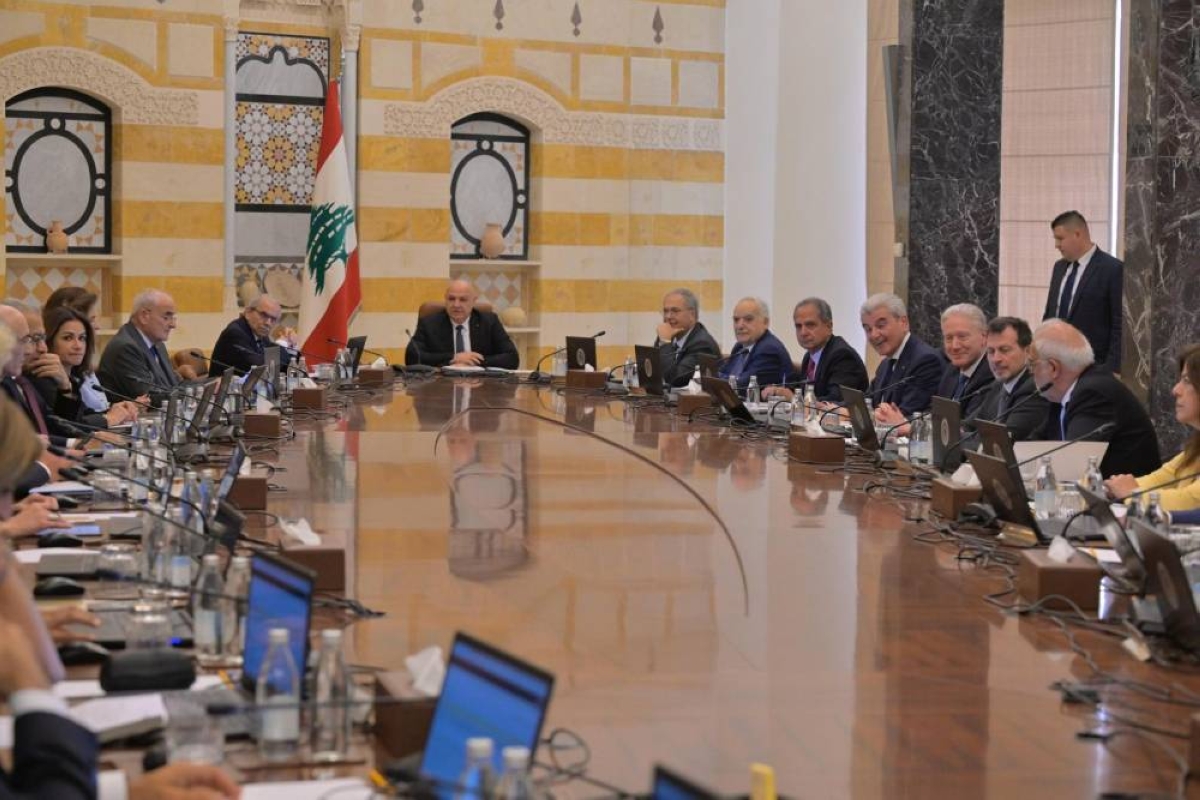
مر اليوم التالي لجلسة الحكومة اللبنانية التي خصصت لبحث بند «حصر السلاح» بهدوء سياسي وأمني، وسط حالة ترقب ثقيلة تخيم على المشهد اللبناني بعد إقرار مجلس الوزراء أمس (الثلاثاء) مبدأ حصرية السلاح بيد الدولة، وتكليف الجيش وضع خطة تنفيذية ترفع له قبل نهاية الشهر الجاري.
وفيما لم يسجل أي تصعيد داخلي يذكر بعد الجلسة، بدا المشهد العام مشدوداً إلى مواقف وردود أفعال متباينة، عكست خطوط التماس السياسية الدقيقة التي ترسم حدود النقاش حول السلاح غير الشرعي، وتحديداً سلاح حزب الله.
وفي هذا السياق، قال وزير التنمية الإدارية فادي مكي، في منشور له على «إكس»، اليوم(الأربعاء)، إن هذه النقاشات يجب أن تستكمل بروية ومسؤولية، بما يضمن مصلحة اللبنانيين، ويحمي هواجسهم، ويتماشى مع البيان الوزاري الذي ينص على بسط سلطة الدولة وحصر السلاح بيد القوى الشرعية.
فيما أعرب النائب سيمون أبي رميا عن دعمه المطلق لقرار تكليف الجيش بوضع خطة لحصر السلاح، وشدد بعد لقائه رئيس الجمهورية، على أن السيادة تعني حصرية السلاح بيد الدولة، داعيًا إلى الوقوف خلف الرئيس جوزيف عون للحفاظ على السلم الأهلي والسيادة.
أما الأوساط السياسية المؤيدة لحزب الله، فأكدت لـ«عكاظ» أن موقفها أقرب إلى رفض القرار، محذرة من أن تحديد مهلة زمنية لحصر السلاح قد يستدرج الجيش إلى مواجهة غير محسوبة. واعتبرت هذه الأوساط أن القرار يعكس تجاوباً مع ضغوط خارجية أكثر مما ينبع من حوار داخلي، وفق قولها.
وكشفت مصادر سياسية مخاوف لدى واشنطن برزت في الساعات القليلة الماضية من أن تكون هذه الخطوة محاولة لكسب الوقت. وقالت إن الإدارة الأمريكية ستراقب مدى التزام الحكومة اللبنانية بالمهلة الموضوعة، وتخشى من أن تستغل هذه المبادرة لتخفيف الضغط من دون وجود نية حقيقية للتنفيذ.
الانطباع العام أن الجلسة مرّت على خير دون تفجير حكومي، لكن الاختبار الحقيقي لم يبدأ بعد، بل سيكون في قدرة الجيش على إنجاز خطة جدية ضمن المهلة، ومدى تجاوب القوى السياسية معها. وفيما لا يبدو حزب الله بوارد التسليم أو التنازل، فإن الولايات المتحدة تلوح بعين حمراء، وتضع الحكومة أمام خيارين: الالتزام الجاد، أو تصعيد الضغوط.
The following day passed after the Lebanese government's session dedicated to discussing the "arms restriction" agenda with political and security calm, amidst a heavy atmosphere of anticipation hanging over the Lebanese scene after the Cabinet approved yesterday (Tuesday) the principle of arms exclusivity in the hands of the state, and tasked the army with preparing an executive plan to be submitted before the end of this month.
While no significant internal escalation was recorded after the session, the overall scene appeared tense, reflecting varying positions and reactions that mirrored the delicate political fault lines delineating the boundaries of the discussion around illegal arms, specifically Hezbollah's arms.
In this context, Minister of Administrative Development Fadi Makki stated in a post on "X" today (Wednesday) that these discussions should be continued with prudence and responsibility, ensuring the interests of the Lebanese people, protecting their concerns, and aligning with the ministerial statement that stipulates the authority of the state and the restriction of arms in the hands of legitimate forces.
Meanwhile, MP Simon Abi Ramia expressed his full support for the decision to task the army with developing a plan for arms restriction, emphasizing after his meeting with the President that sovereignty means arms exclusivity in the hands of the state, calling for backing President Joseph Aoun to maintain civil peace and sovereignty.
On the other hand, political circles supportive of Hezbollah confirmed to "Okaz" that their position is closer to rejecting the decision, warning that setting a timeline for arms restriction could lead the army into an uncalculated confrontation. These circles considered that the decision reflects a response to external pressures more than it stems from internal dialogue, according to their statements.
Political sources revealed concerns in Washington that emerged in the past few hours that this step might be an attempt to buy time. They stated that the U.S. administration will monitor the Lebanese government's commitment to the set timeline and fears that this initiative might be exploited to relieve pressure without any genuine intention to implement it.
The general impression is that the session passed without a governmental explosion, but the real test has not yet begun; it will be in the army's ability to develop a serious plan within the timeline and the extent of political forces' responsiveness to it. While Hezbollah does not seem inclined to concede or yield, the United States is waving a red flag, placing the government before two choices: serious commitment or escalating pressures.