


أعلن رئيس لجنة الأمن القومي في البرلمان الإيراني، إبراهيم عزيزي اليوم (الإثنين) أن بلاده لن تسمح تحت أي ظرف من الظروف لأية جهة دولية بالحصول على وصول ميداني إلى المنشآت النووية الإيرانية، نافياً في تصريحات لوكالة «تسنيم» ما يشاع بشأن استئناف عمليات تفتيش الوكالة الدولية للطاقة الذرية للمنشآت النووية الإيرانية.
وقال: وفقاً للقوانين المصادق عليها من قبل مجلس الشورى الإيراني، لن يُسمح تحت أي ظرف من الظروف لأية جهة دولية بالحصول على وصول ميداني إلى المنشآت النووية الإيرانية، مشيراً إلى أن وفد الوكالة الدولية للطاقة الذرية، الذي من المقرر أن يزور إيران الأسبوع القادم، مخوّل فقط بإجراء محادثات ومشاورات فنية وتخصصية مع المسؤولين والخبراء الإيرانيين.
وأضاف: القوانين المصوّت عليها في البرلمان تمنع تماماً دخول أي وفد أو جهة أجنبية إلى المنشآت النووية، كما أن القيام بأي نوع من عمليات التفتيش من قبل هذا الوفد أو غيره غير مسموح به، مبيناً أن هذه القيود ثابتة وغير قابلة للتغيير، والالتزام الكامل بها أمر لا يقبل التهاون.
ولفت عزيزي إلى أن برنامج الحكومة الإيرانية ومنظمة الطاقة الذرية بخصوص هذه الزيارة لا يتضمن بأي شكل من الأشكال مناقشة قضايا، مثل منح وصول إلى المنشآت أو تنفيذ عمليات تفتيش كما تطالب بها الوكالة، مؤكداً أن المحاور المطروحة من الجانب الإيراني تندرج بالكامل ضمن إطار التعاون الفني المسموح، وتهدف فقط إلى تبادل الآراء الفنية ورفع بعض الغموض أو الإشكالات التقنية.
مسؤول إيراني: لن نسمح بالوصول للمنشآت النووية تحت أي ظرف
4 أغسطس 2025 - 21:47
|
آخر تحديث 4 أغسطس 2025 - 21:47
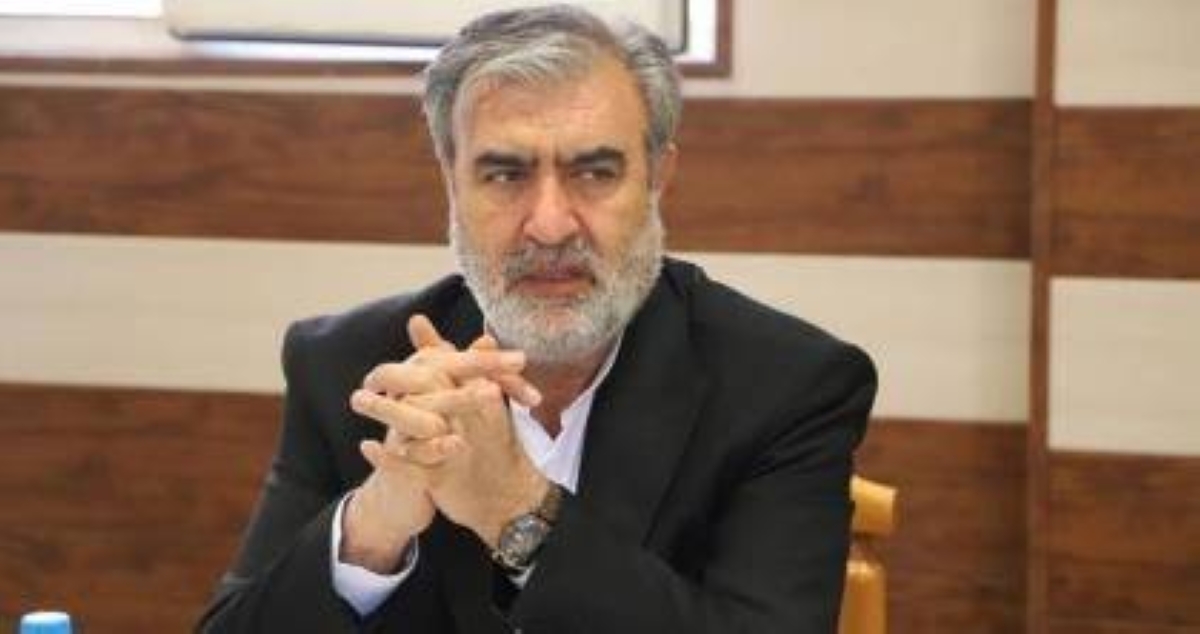
إبراهيم عزيزي


تابع قناة عكاظ على الواتساب
«عكاظ» (جدة) okaz_online@
The head of the National Security Committee in the Iranian parliament, Ibrahim Azizi, announced today (Monday) that his country will not allow under any circumstances any international entity to gain field access to Iranian nuclear facilities, denying in statements to the "Tasnim" agency the rumors about the resumption of inspections by the International Atomic Energy Agency (IAEA) of Iranian nuclear facilities.
He said: According to the laws ratified by the Iranian Shura Council, no international entity will be allowed under any circumstances to gain field access to Iranian nuclear facilities, pointing out that the IAEA delegation, which is scheduled to visit Iran next week, is only authorized to conduct technical and specialized discussions and consultations with Iranian officials and experts.
He added: The laws voted on in parliament completely prohibit any foreign delegation or entity from entering the nuclear facilities, and any type of inspection by this delegation or others is not permitted, indicating that these restrictions are fixed and non-negotiable, and full compliance with them is non-negotiable.
Azizi pointed out that the Iranian government's program and the Atomic Energy Organization regarding this visit does not include in any way discussions on issues such as granting access to the facilities or carrying out inspections as requested by the agency, emphasizing that the topics presented by the Iranian side fall entirely within the framework of permitted technical cooperation and aim only to exchange technical opinions and clarify some ambiguities or technical issues.
He said: According to the laws ratified by the Iranian Shura Council, no international entity will be allowed under any circumstances to gain field access to Iranian nuclear facilities, pointing out that the IAEA delegation, which is scheduled to visit Iran next week, is only authorized to conduct technical and specialized discussions and consultations with Iranian officials and experts.
He added: The laws voted on in parliament completely prohibit any foreign delegation or entity from entering the nuclear facilities, and any type of inspection by this delegation or others is not permitted, indicating that these restrictions are fixed and non-negotiable, and full compliance with them is non-negotiable.
Azizi pointed out that the Iranian government's program and the Atomic Energy Organization regarding this visit does not include in any way discussions on issues such as granting access to the facilities or carrying out inspections as requested by the agency, emphasizing that the topics presented by the Iranian side fall entirely within the framework of permitted technical cooperation and aim only to exchange technical opinions and clarify some ambiguities or technical issues.


