


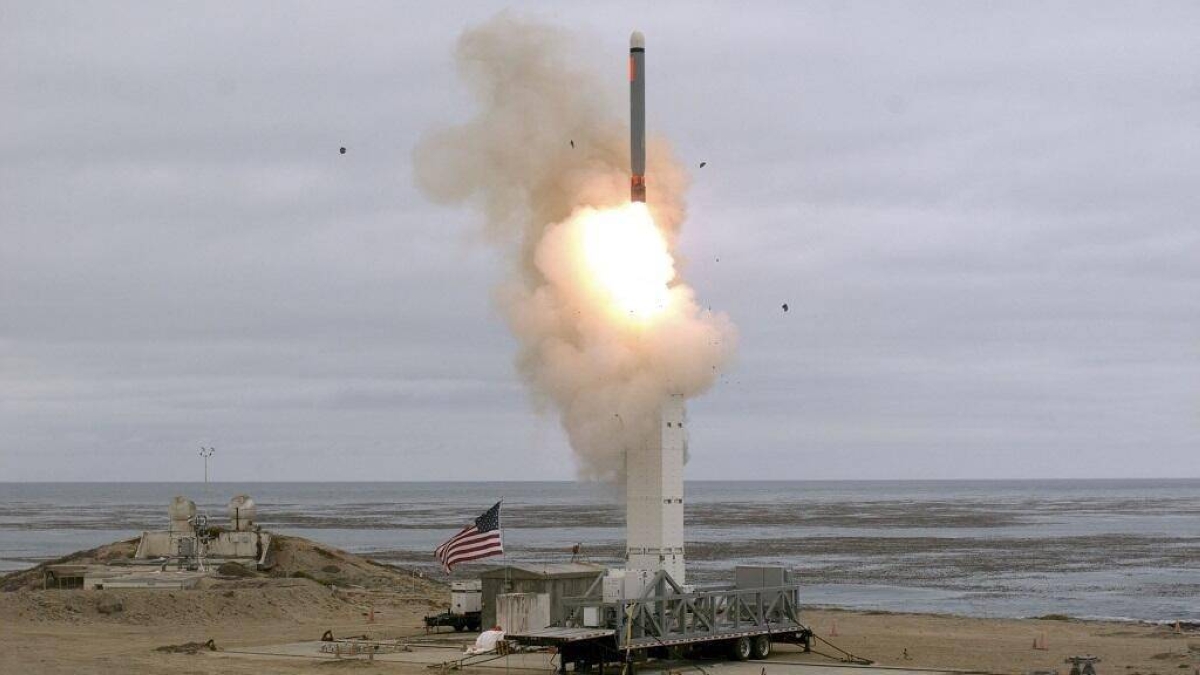
أعلنت وزارة الخارجية الروسية اليوم (الإثنين)، أن موسكو لم تعد تعتبر نفسها ملزمة بوقف نشر الصواريخ الأرضية متوسطة وقصيرة المدى، مؤكدة أن الظروف التي كانت تسمح بالوقف الأحادي لنشر هذه الصواريخ انتهت.
ونقلت وكالة «تاس» الروسية الرسمية بياناً للخارجية الروسية تؤكد فيه أن القيادة الروسية ستتخذ قراراتها بشأن معايير إجراءات الرد بناءً على تحليل حجم انتشار الصواريخ الأمريكية والأوروبية متوسطة وقصيرة المدى، مبينة أن حلف شمال الأطلسي (الناتو)، لم يستجب لدعوتها لإعلان وقف متبادل لنشر أنظمة الأسلحة المحظورة.
وأشارت الوزارة في بيانها إلى أن نشر الحلف صواريخ متوسطة وقصيرة المدى في أوروبا، خطوة تشكل تهديداً مباشراً لأمن روسيا، ما يستدعي اتخاذ تدابير من الجانب الروسي، مشددة بالقول: نظراً لتجاهل التحذيرات المتكررة التي أطلقناها، واستمرار تطور الوضع نحو نشر فعلي لصواريخ أمريكية أرضية متوسطة المدى في أوروبا ومنطقة آسيا والمحيط الهادئ، فإن وزارة الخارجية الروسية تعتبر أن الظروف التي سمحت بالحفاظ على الوقف الأحادي الجانب لنشر أسلحة مماثلة لم تعد قائمة، وبناءً عليه، فإن الاتحاد الروسي لم يعد يرى نفسه ملزماً بالقيود الذاتية التي كان قد تبناها سابقاً.
وأشارت الوزارة إلى أن القرارات المتعلقة بمعايير الرد الروسي ستُتخذ من قبل القيادة الروسية، بناءً على تحليل مدى انتشار الصواريخ الأمريكية والغربية الأخرى من الفئة نفسها، لافتة إلى أن تدابير الرد الروسي سيتم تحديدها من قبل قيادة الاتحاد الروسي استناداً إلى تحليل مشترك بين الهيئات المختصة لمدى انتشار الصواريخ الأمريكية وغيرها من الصواريخ الغربية متوسطة وقصيرة المدى التي تُطلق من البر، إضافة إلى التطورات العامة في مجال الأمن الدولي والاستقرار الإستراتيجي.
يذكر أن معاهدة القوات النووية المتوسطة المدى التي وُقّعت عام 1987 بين الولايات المتحدة والاتحاد السوفيتي (حينها)، نصت على الاستبعاد التام لجميع الصواريخ الباليستية وصواريخ الكروز النووية والتقليدية التي تُطلق من البر، التي يراوح مداها بين 500 و5500 كيلومتر، وفقاً لمنظمة الحد من التسلّح.
«الخارجية الروسية»: لم نعد ملزمين بوقف نشر الصواريخ متوسطة وقصيرة المدى
4 أغسطس 2025 - 21:23
|
آخر تحديث 4 أغسطس 2025 - 21:23


تابع قناة عكاظ على الواتساب
«عكاظ» (جدة) okaz_online@
The Russian Foreign Ministry announced today (Monday) that Moscow no longer considers itself obligated to halt the deployment of medium- and short-range ground missiles, confirming that the conditions that allowed for the unilateral halt of these missile deployments have ended.
The Russian official news agency "TASS" reported a statement from the Russian Foreign Ministry confirming that the Russian leadership will make its decisions regarding the criteria for response measures based on an analysis of the extent of deployment of American and European medium- and short-range missiles, indicating that NATO did not respond to its call for a mutual halt to the deployment of prohibited weapon systems.
The ministry noted in its statement that the deployment of medium- and short-range missiles by NATO in Europe is a step that poses a direct threat to Russia's security, necessitating measures from the Russian side. It emphasized by stating: "Given the repeated warnings we have issued and the continued evolution of the situation towards the actual deployment of American medium-range ground missiles in Europe and the Asia-Pacific region, the Russian Foreign Ministry considers that the conditions that allowed for the maintenance of the unilateral halt to the deployment of similar weapons are no longer in place. Accordingly, the Russian Federation no longer sees itself bound by the self-imposed restrictions it had previously adopted."
The ministry indicated that decisions regarding the criteria for the Russian response will be made by the Russian leadership based on an analysis of the extent of deployment of American and other Western missiles of the same category, noting that the measures for the Russian response will be determined by the leadership of the Russian Federation based on a joint analysis by the relevant bodies regarding the extent of deployment of American and other Western medium- and short-range missiles launched from land, in addition to the overall developments in the field of international security and strategic stability.
It is worth mentioning that the Intermediate-Range Nuclear Forces Treaty, signed in 1987 between the United States and the Soviet Union (at that time), stipulated the complete elimination of all ballistic and cruise missiles, both nuclear and conventional, launched from land, with ranges between 500 and 5,500 kilometers, according to the Arms Control Organization.
The Russian official news agency "TASS" reported a statement from the Russian Foreign Ministry confirming that the Russian leadership will make its decisions regarding the criteria for response measures based on an analysis of the extent of deployment of American and European medium- and short-range missiles, indicating that NATO did not respond to its call for a mutual halt to the deployment of prohibited weapon systems.
The ministry noted in its statement that the deployment of medium- and short-range missiles by NATO in Europe is a step that poses a direct threat to Russia's security, necessitating measures from the Russian side. It emphasized by stating: "Given the repeated warnings we have issued and the continued evolution of the situation towards the actual deployment of American medium-range ground missiles in Europe and the Asia-Pacific region, the Russian Foreign Ministry considers that the conditions that allowed for the maintenance of the unilateral halt to the deployment of similar weapons are no longer in place. Accordingly, the Russian Federation no longer sees itself bound by the self-imposed restrictions it had previously adopted."
The ministry indicated that decisions regarding the criteria for the Russian response will be made by the Russian leadership based on an analysis of the extent of deployment of American and other Western missiles of the same category, noting that the measures for the Russian response will be determined by the leadership of the Russian Federation based on a joint analysis by the relevant bodies regarding the extent of deployment of American and other Western medium- and short-range missiles launched from land, in addition to the overall developments in the field of international security and strategic stability.
It is worth mentioning that the Intermediate-Range Nuclear Forces Treaty, signed in 1987 between the United States and the Soviet Union (at that time), stipulated the complete elimination of all ballistic and cruise missiles, both nuclear and conventional, launched from land, with ranges between 500 and 5,500 kilometers, according to the Arms Control Organization.


