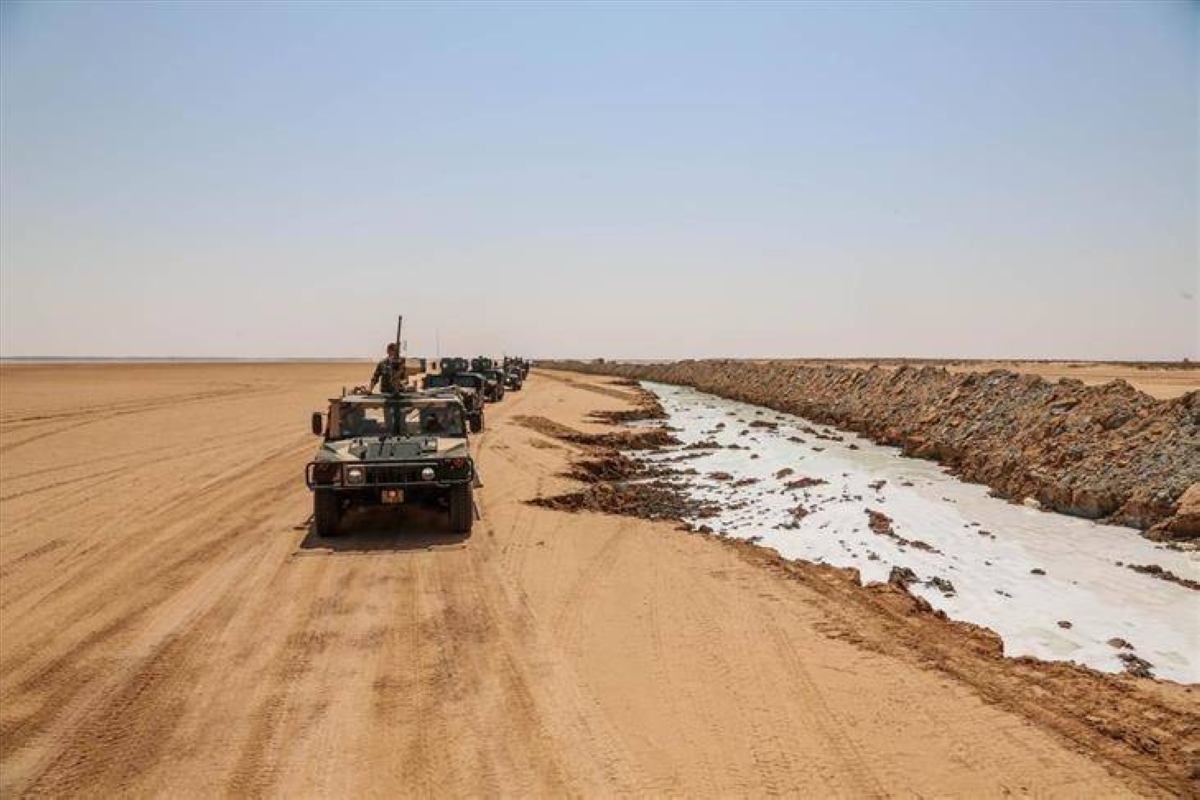
أعلنت السلطات التونسية، اليوم (الأربعاء)، تمديد العمل بالمنطقة العسكرية العازلة على الحدود مع ليبيا لمدة سنة إضافية، ابتداء من 29 أغسطس 2025، وفقا لقرار رئاسي نُشر في الجريدة الرسمية التونسية.
ويهدف القرار إلى تعزيز الإجراءات الأمنية والعسكرية في المناطق الحدودية، ومكافحة التهريب والإرهاب، وسط مخاوف مستمرة من التسلل غير القانوني وتدفق المهاجرين غير النظاميين عبر الحدود.
ويمتد القرار، الذي يعتمد على القرار الجمهوري رقم 230 لسنة 2013، ليشمل القطاعات الجنوبية والجنوبية الشرقية من البلاد، ويمنح القوات العسكرية والأمنية صلاحيات واسعة للتحكم في المنطقة، ويتطلب دخول المنطقة الحدودية العازلة ترخيصا مسبقا من السلطات المحلية، بينما يُمكن تحويل أجزاء منها إلى منطقة عسكرية مغلقة في حالات الطوارئ الأمنية، ويُعتبر الدخول دون ترخيص مخالفة قانونية تُعرض مرتكبيها لتتبعات قضائية.
وبدأت تونس تطبيق نظام المنطقة العسكرية العازلة على حدودها مع ليبيا والجزائر في 29 أغسطس 2013، بقرار من الرئيس السابق محمد المنصف المرزوقي، في أعقاب تصاعد التهديدات الإرهابية بعد الإطاحة بنظام زين العابدين بن علي عام 2011، وفي 2015، عززت تونس إجراءاتها الأمنية بحفر خندق حدودي بطول 250 كيلومترا، إضافة إلى نشر قوات عسكرية وأمنية معززة في المنطقة.
وتشترك تونس وليبيا بحدود برية تمتد لنحو 500 كيلومتر، مع منفذين رئيسيين؛ رأس جدير والذهيبة-وازن، اللذين يُعدان مركزين رئيسيين للتهريب والتسلل غير القانوني، وفي نوفمبر 2024، أفاد وزير الدفاع التونسي خالد السهيلي أن الجيش نفذ 990 عملية ضد الإرهاب خلال العام، شارك فيها أكثر من 19,500 عسكري، ما يعكس الجهود المكثفة للسلطات في مكافحة التهديدات الأمنية.
كما أعلن الرئيس التونسي قيس سعيّد في يناير 2025 تمديد حالة الطوارئ في البلاد حتى نهاية العام، ما يمنح وزارة الداخلية صلاحيات استثنائية لتعزيز الأمن، بما في ذلك مراقبة الحدود ومنع التجمعات غير المرخصة، في سياق التوترات المستمرة في ليبيا، حيث تعاني البلاد من انقسام سياسي وتوترات أمنية، ما يزيد من مخاطر التهريب والإرهاب عبر الحدود.
وتسعى تونس إلى الحد من تدفق المهاجرين غير النظاميين، الذين يستخدمون الأراضي الليبية كنقطة انطلاق نحو أوروبا، وفي هذا الإطار، تلقت تونس دعما دوليا، بما في ذلك طائرات مراقبة أمريكية من طراز «C208» في 2024، لتعزيز قدراتها في مراقبة الحدود ومكافحة الجريمة المنظمة.
Tunisian authorities announced today (Wednesday) the extension of the military buffer zone along the border with Libya for an additional year, starting from August 29, 2025, according to a presidential decree published in the Tunisian official gazette.
The decision aims to enhance security and military measures in border areas and combat smuggling and terrorism, amid ongoing concerns about illegal infiltration and the flow of irregular migrants across the border.
The decision, which is based on Republican Decree No. 230 of 2013, extends to the southern and southeastern sectors of the country, granting military and security forces broad powers to control the area. Entry into the buffer zone requires prior authorization from local authorities, while parts of it can be converted into a closed military zone in cases of security emergencies. Entering without authorization is considered a legal violation that exposes offenders to judicial prosecution.
Tunisia began implementing the military buffer zone system along its borders with Libya and Algeria on August 29, 2013, by a decision from former President Moncef Marzouki, following the escalation of terrorist threats after the ousting of Zine El Abidine Ben Ali's regime in 2011. In 2015, Tunisia strengthened its security measures by digging a 250-kilometer-long border trench, in addition to deploying enhanced military and security forces in the area.
Tunisia and Libya share a land border extending approximately 500 kilometers, with two main crossings: Ras Jedir and Dhehiba-Wazen, which are considered major centers for smuggling and illegal infiltration. In November 2024, Tunisian Defense Minister Khaled Souhaili reported that the army carried out 990 operations against terrorism during the year, involving more than 19,500 military personnel, reflecting the authorities' intensive efforts to combat security threats.
Tunisian President Kais Saied also announced in January 2025 the extension of the state of emergency in the country until the end of the year, granting the Ministry of Interior exceptional powers to enhance security, including border monitoring and preventing unauthorized gatherings, amid ongoing tensions in Libya, where the country suffers from political division and security tensions, increasing the risks of smuggling and terrorism across the border.
Tunisia seeks to reduce the flow of irregular migrants, who use Libyan territory as a launch point towards Europe. In this context, Tunisia received international support, including American surveillance aircraft of the type “C208” in 2024, to enhance its capabilities in border monitoring and combating organized crime.