


كشف رئيس الوزراء العراقي محمد شياع السوداني، أن الأجهزة الأمنية أحبطت 29 محاولة إطلاق صواريخ ومسيّرات باتجاه إسرائيل وقواعد عراقية تضم قوات أمريكية، من قبل جماعات مسلحة في العراق، سعياً لعدم «إعطاء إسرائيل مبرراً في ظل سياستها لتوسيع نطاق الحرب».
وأعلن أن حكومته تنسق مع الحكومة السورية الجديدة، خصوصاً في المسائل الأمنية، مشدداً على أن بغداد ودمشق تواجهان عدواً مشتركاً هو تنظيم «داعش» الذي يوجد بوضوح في سورية.
وقال السوداني في مقابلة مع وكالة «أسوشيتد برس» نشرت، اليوم (الثلاثاء)، إن حكومته حذرت الحكومة السورية من الأخطاء التي وقعت في العراق بعد سقوط نظام الرئيس الراحل صدام حسين حين أدى الفراغ الأمني إلى سنوات من العنف الطائفي وصعود الجماعات المتطرفة المسلحة. ودعا السوداني القيادة السورية للسعي إلى عملية سياسية شاملة تضم جميع المكونات والطوائف. وجدد التأكيد على أن العراق لا يريد تقسيم سورية ولا أي وجود أجنبي على أراضيها، في إشارة إلى التوغلات الإسرائيلية في الجنوب.
وتعليقاً على التصعيد الذي تشهده المنطقة جراء الحرب الإسرائيلية على قطاع غزة، أكد السوداني أن بلاده حرصت على «عدم إعطاء أي مبرر لأي طرف لاستهداف العراق».
وفي ظل اتفاق يقضي باكتمال المرحلة الأولى من انسحاب قوات التحالف في شهر سبتمبر القادم، أفصح السوداني بأن الولايات المتحدة والعراق سيجتمعان بحلول نهاية العام لترتيب العلاقة الأمنية الثنائية بين البلدين. واعتبر أن وجود قوات التحالف وفر مبرراً للجماعات العراقية لتسليح نفسها، ولكن بمجرد اكتمال انسحاب التحالف لن تكون هناك حاجة أو مبرر لأي جماعة لحمل السلاح خارج نطاق الدولة.
وأعرب رئيس الوزراء العراقي عن أمله في تأمين استثمارات اقتصادية أمريكية في النفط والغاز والذكاء الاصطناعي، والتي قال إنها ستساهم في الأمن الإقليمي وتجعل «البلدين عظيمين معاً».
أكد أن بلاده وسورية تواجهان عدواً مشتركاً
رئيس وزراء العراق: أحبطناهجمات ضد إسرائيل وقوات أمريكية
29 يوليو 2025 - 15:46
|
آخر تحديث 29 يوليو 2025 - 15:46
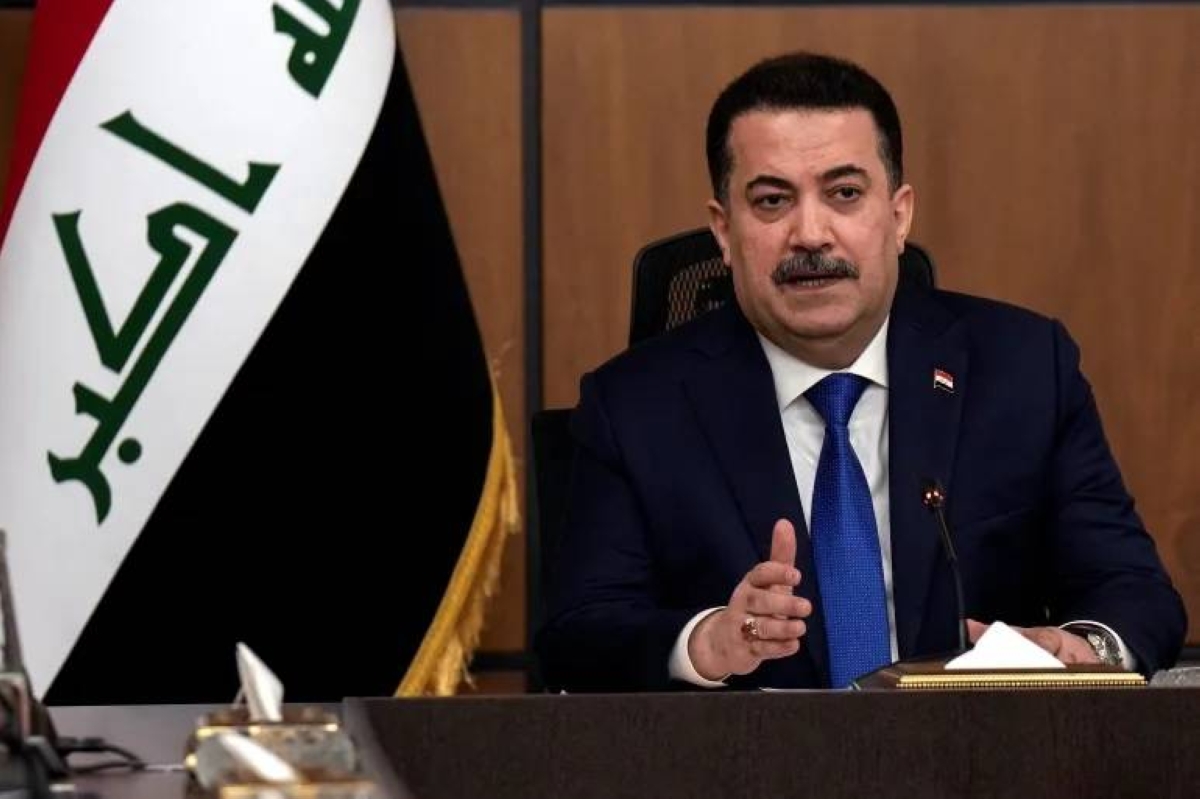
رئيس الوزراء العراقي


تابع قناة عكاظ على الواتساب
«عكاظ» وكالات (بغداد، جدة) okaz_online@
Iraqi Prime Minister Mohammed Shia al-Sudani revealed that security forces thwarted 29 attempts to launch rockets and drones towards Israel and Iraqi bases housing American troops, by armed groups in Iraq, in an effort to avoid "giving Israel a pretext amid its policy to expand the war."
He announced that his government is coordinating with the new Syrian government, particularly on security issues, emphasizing that Baghdad and Damascus face a common enemy, which is the "ISIS" organization that is clearly present in Syria.
In an interview with the Associated Press published today (Tuesday), al-Sudani stated that his government warned the Syrian government about the mistakes that occurred in Iraq after the fall of the regime of the late President Saddam Hussein, when the security vacuum led to years of sectarian violence and the rise of armed extremist groups. He urged the Syrian leadership to pursue a comprehensive political process that includes all components and sects. He reiterated that Iraq does not want the division of Syria or any foreign presence on its territory, referring to Israeli incursions in the south.
Commenting on the escalation in the region due to the Israeli war on the Gaza Strip, al-Sudani confirmed that his country has been keen on "not giving any party a pretext to target Iraq."
In light of an agreement to complete the first phase of the withdrawal of coalition forces in the coming September, al-Sudani disclosed that the United States and Iraq will meet by the end of the year to arrange the bilateral security relationship between the two countries. He considered that the presence of coalition forces provided a pretext for Iraqi groups to arm themselves, but once the coalition's withdrawal is complete, there will be no need or justification for any group to carry weapons outside the state's authority.
The Iraqi Prime Minister expressed his hope to secure American economic investments in oil, gas, and artificial intelligence, which he said would contribute to regional security and make "the two countries great together."
He announced that his government is coordinating with the new Syrian government, particularly on security issues, emphasizing that Baghdad and Damascus face a common enemy, which is the "ISIS" organization that is clearly present in Syria.
In an interview with the Associated Press published today (Tuesday), al-Sudani stated that his government warned the Syrian government about the mistakes that occurred in Iraq after the fall of the regime of the late President Saddam Hussein, when the security vacuum led to years of sectarian violence and the rise of armed extremist groups. He urged the Syrian leadership to pursue a comprehensive political process that includes all components and sects. He reiterated that Iraq does not want the division of Syria or any foreign presence on its territory, referring to Israeli incursions in the south.
Commenting on the escalation in the region due to the Israeli war on the Gaza Strip, al-Sudani confirmed that his country has been keen on "not giving any party a pretext to target Iraq."
In light of an agreement to complete the first phase of the withdrawal of coalition forces in the coming September, al-Sudani disclosed that the United States and Iraq will meet by the end of the year to arrange the bilateral security relationship between the two countries. He considered that the presence of coalition forces provided a pretext for Iraqi groups to arm themselves, but once the coalition's withdrawal is complete, there will be no need or justification for any group to carry weapons outside the state's authority.
The Iraqi Prime Minister expressed his hope to secure American economic investments in oil, gas, and artificial intelligence, which he said would contribute to regional security and make "the two countries great together."


