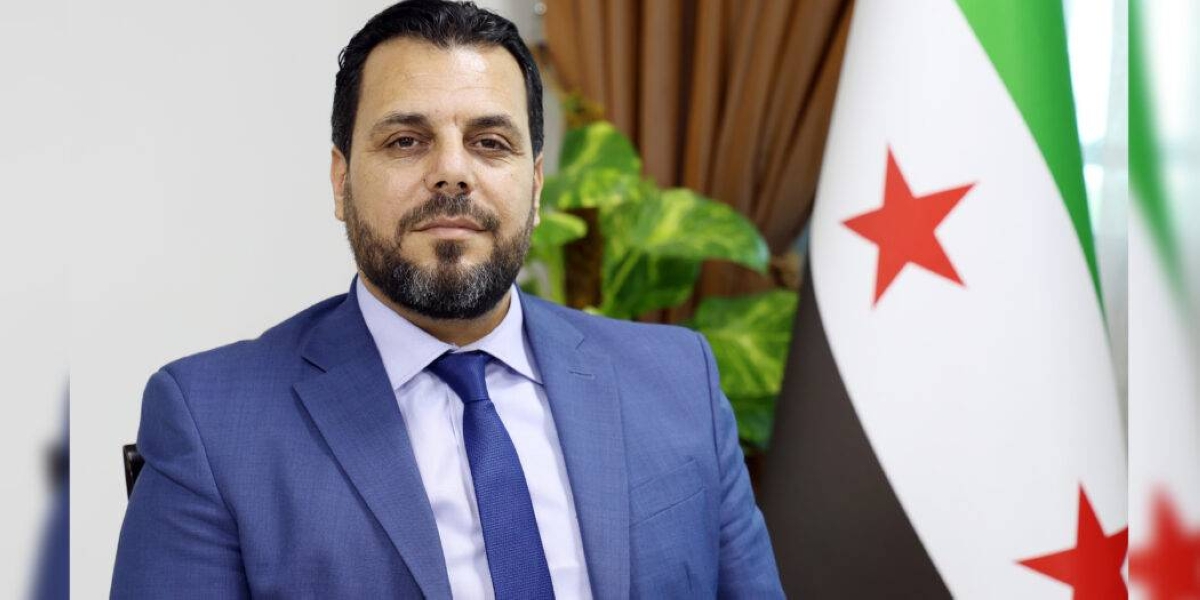
أعلن رئيس اللجنة العليا لانتخابات مجلس الشعب السوري محمد طه الأحمد اليوم (الأحد) الخطة الزمنية لانتخابات مجلس الشعب السوري، وذلك بعد تسليم النسخة النهائية من النظام الانتخابي المؤقت للمجلس إلى الرئيس أحمد الشرع أمس.
ونقلت وكالة الأنباء السورية (سانا) عن الأحمد قوله: "بعد توقيع المرسوم الخاص بالنظام الانتخابي المؤقت، سنحتاج إلى أسبوع لاختيار اللجان الفرعية، ثم 15 يوماً لاختيار الهيئات الناخبة، وفتح باب الترشح لثلاثة أيام، ثم أسبوع إضافي للدعاية الانتخابية والمناظرات بين المرشحين، على أن تُجرى العملية الانتخابية كاملة بين الـ15والـ20 من سبتمبر القادم"، مبيناً أن اللقاء الذي جرى أمس مع الرئيس الشرع تناول تفاصيل التعديلات الناتجة عن الجولات واللقاءات مع مختلف شرائح المجتمع ونقاباته، التي تمّت مراجعتها من قبل اللجنة القانونية التابعة للجنة الانتخابات العليا، ومن اللجنة القانونية في الأمانة العامة لرئاسة الجمهورية.
وشدد رئيس اللجنة العليا لانتخابات مجلس الشعب السوري على أهمية المضي في العملية الانتخابية في كل المحافظات السورية، ورفض التقسيم الذي ينبذه جميع السوريين، وضرورة استبعاد كل من وقف مع المجرمين وأيدهم، والأشخاص الذين يدعون إلى التقسيم والطائفية والمذهبية.
وأشار إلى أن النظام الانتخابي المؤقت تضمّن التعريفات الخاصة باللجان والهيئات، وشروط العضوية فيها، إضافة إلى توزيع المقاعد بعد زيادتها من 150 إلى 210 وفق إحصاء عام 2011، كما شمل برنامجاً زمنياً مفصلاً وآليات للدعاية الانتخابية، وورقة سلوك تنظيمي لأعضاء الهيئات الناخبة والمرشحين، ونصّ النظام على ضمان مشاركة المرأة بنسبة لا تقل عن 20%، وتشجيع الشباب على الترشح والمشاركة الفاعلة، مع التعاون مع منظمات المجتمع المدني لتنظيم دورات توعوية وتدريبية لدعم هذه الفئات.
ولفت إلى أن الثلث المعين من قبل الرئيس (70 عضواً) سيُخصص للكفاءات الفنية العالية (تكنوقراط) بهدف سد الثغرات التي قد تنتج عن العملية الانتخابية، وضمان تمثيل جميع الشرائح، موضحاً أن اللجنة التقت السفراء العرب وبعض البعثات الدبلوماسية لشرح الآلية الانتخابية وضمان الشفافية، والجميع أشاد بهذه الصيغة باعتبارها الأنسب للوضع السوري.
وأفصح الأحمد عن السماح بمراقبة العملية الانتخابية من قبل المجتمع والمنظمات الدولية بالإشراف والتنسيق مع اللجنة العليا للانتخابات، إضافة إلى ضمان حرية الطعن في القوائم والنتائج، مشيراً إلى أنّ الهدف هو الوصول إلى مجلس شعب يليق بسورية قيادةً وأرضاً، وأنّ هذا المجلس سيتحمل مسؤولية تعديل التشريعات والقوانين القديمة وقيادة المرحلة القادمة من إعادة البناء والتنمية.
وأكد الأحمد أن الضمانات في ما يتعلق بشفافية العملية الانتخابية تبدأ من اختيار اللجان الانتخابية الفرعية، مروراً بمرحلة الاعتراضات على الهيئات الناخبة ونتائج الانتخابات، وانتهاءً بإتاحة الرقابة الدولية، لتحقيق أقصى درجات الشفافية وكسر الصورة النمطية عن المجالس السابقة التي رسّخها النظام السابق، مؤكداً أن بلاده تمرّ اليوم بمرحلة استثنائية، وهو ما استدعى اعتماد أدوات انتخابية غير مطروقة كثيراً في العالم، توصف بأنها هجينة بين الانتخابات المفتوحة وانتخابات المواجهة.
The head of the Supreme Committee for the Syrian People's Council elections, Mohammad Taha Al-Ahmad, announced today (Sunday) the timeline for the elections of the Syrian People's Council, following the submission of the final version of the temporary electoral system to President Ahmad Al-Shara yesterday.
The Syrian News Agency (SANA) reported Al-Ahmad as saying: "After signing the decree regarding the temporary electoral system, we will need a week to select the subcommittees, then 15 days to select the electoral bodies, and open the nomination period for three days, followed by an additional week for electoral campaigning and debates among candidates, with the entire electoral process to take place between the 15th and 20th of September." He indicated that the meeting held yesterday with President Al-Shara discussed the details of the amendments resulting from rounds and meetings with various segments of society and their unions, which were reviewed by the legal committee of the Supreme Elections Committee and the legal committee of the General Secretariat of the Presidency.
The head of the Supreme Committee for the Syrian People's Council elections emphasized the importance of proceeding with the electoral process in all Syrian provinces, rejecting the division that all Syrians abhor, and the necessity of excluding anyone who stood with the criminals and supported them, as well as those who call for division, sectarianism, and factionalism.
He pointed out that the temporary electoral system included definitions related to committees and bodies, membership conditions, in addition to the distribution of seats after increasing them from 150 to 210 according to the 2011 census. It also included a detailed timeline and mechanisms for electoral campaigning, a code of conduct for members of the electoral bodies and candidates, and stipulated the guarantee of women's participation at no less than 20%, encouraging youth to run for office and actively participate, in cooperation with civil society organizations to organize awareness and training courses to support these groups.
He noted that the one-third appointed by the president (70 members) would be allocated to highly qualified technical experts (technocrats) to fill any gaps that may arise from the electoral process and ensure representation of all segments, explaining that the committee met with Arab ambassadors and some diplomatic missions to explain the electoral mechanism and ensure transparency, and everyone praised this formula as the most suitable for the Syrian situation.
Al-Ahmad revealed that monitoring the electoral process would be allowed by the community and international organizations under the supervision and coordination of the Supreme Elections Committee, in addition to ensuring the freedom to contest the lists and results, indicating that the goal is to reach a People's Council that befits Syria in terms of leadership and land, and that this council will bear the responsibility of amending old legislations and laws and leading the next phase of reconstruction and development.
Al-Ahmad confirmed that the guarantees regarding the transparency of the electoral process begin with the selection of the sub-electoral committees, passing through the phase of objections to the electoral bodies and the results of the elections, and ending with allowing international oversight, to achieve the highest levels of transparency and break the stereotype of previous councils that was entrenched by the former regime, asserting that his country is currently going through an exceptional phase, which necessitated the adoption of electoral tools that are not often used in the world, described as hybrid between open elections and confrontational elections.