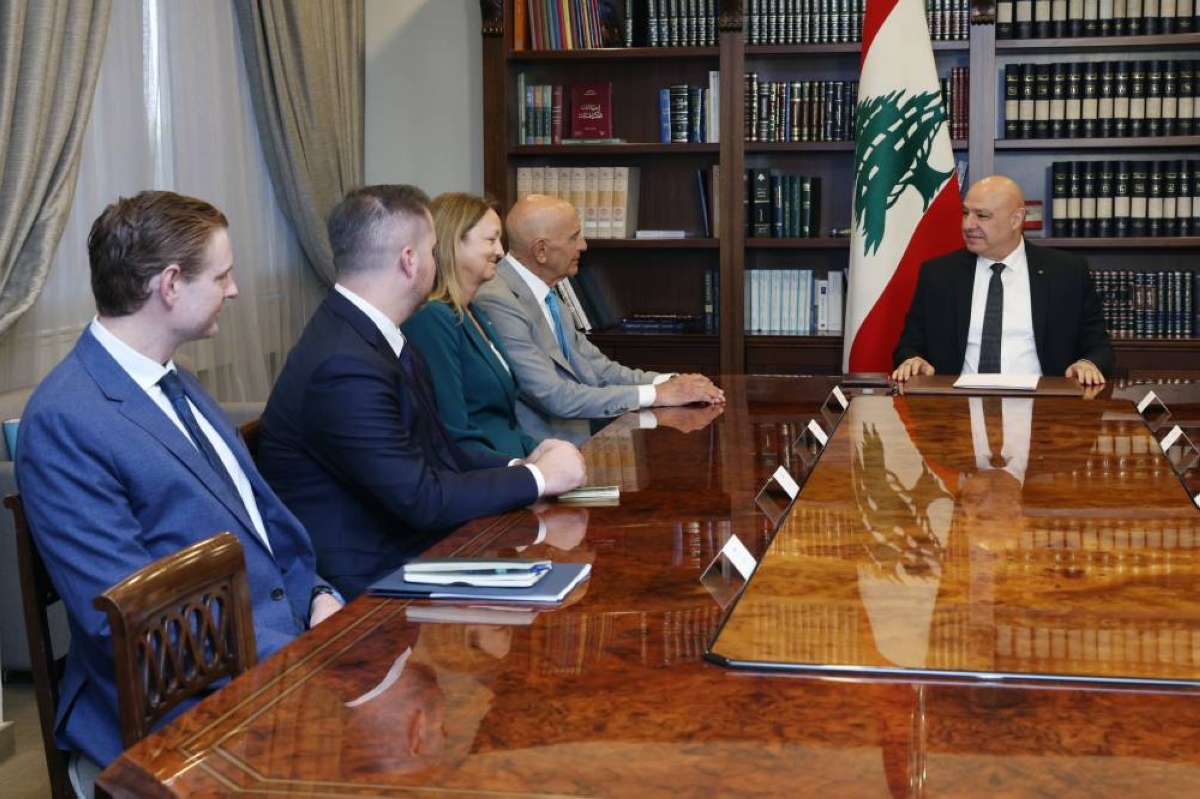
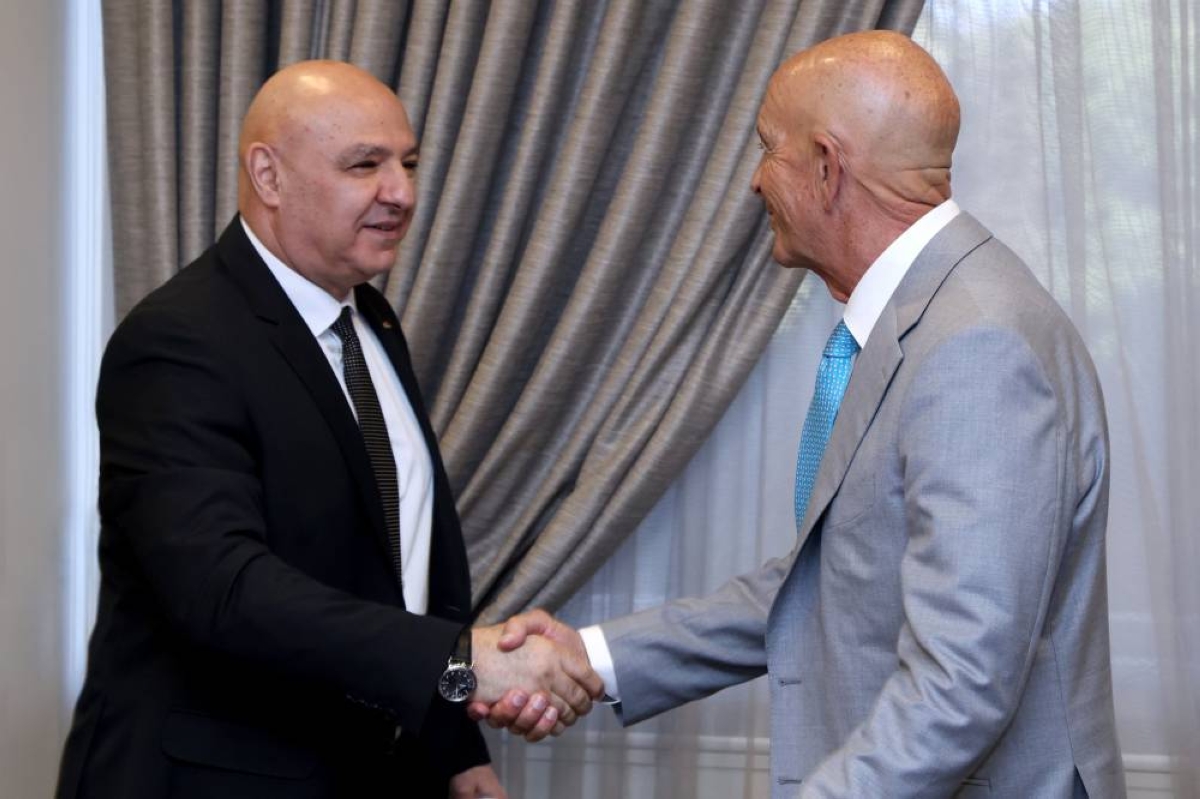
في السياسة، حين تُطلق الرسائل عبر منصة اجتماعية، فذلك يعني أن الوقت لم يعد يحتمل المجاملة أو التفسيرات المرنة. وهذا تماماً ما فعله المبعوث الرئاسي الأمريكي توم براك حين كتب: «طالما احتفظ حزب الله بالسلاح، فإن التصريحات لن تكون كافية». جملة موجزة ولكن مشبعة بالمعاني، جاءت كأنها رد دبلوماسي صارم على كلام الرئيس جوزيف عون عن مفاوضات يجريها شخصياً مع حزب الله لحل مسألة السلاح.التغريدة لم تأت من فراغ، بل تقاطعت زمنياً ومعنوياً مع التصريح اللبناني الذي بدا كأنه محاولة لتطمين الداخل واحتواء الضغوط الآخذة في التصاعد. لكن الرسالة الأمريكية على بساطتها الشكلية كانت بمثابة تنبيه قاطع مفاده أن: الولايات المتحدة بدأت ترفع منسوب التوقيت وتحصر النقاش في جوهر المسألة لا في تفاصيلها.من زاوية واشنطن، لا يمكن القبول باستمرار ازدواجية السلاح في دولة تقول إن سياستها قائمة على السيادة والقانون. لذلك كان كلام براك تحديداً عن مصداقية الحكومة اللبنانية في لحظة دقيقة يطرح فيها رئيس الدولة مبادرة حساسة، ويفتح فيها الباب لحوار مباشر مع حزب الله حول سلاحه. هنا، التوقيت لا يقل أهمية عن المضمون والإشارة لم تترك مجالاً للتأويل.في المقابل، يبدو الرئيس عون مصراً على منح المسار التفاوضي فرصة حقيقية. هو يدرك حجم التعقيدات ويعرف أن الملف ليس تقنياً بل سياسي بامتياز، يرتبط بتوازنات إقليمية ودولية. ومع ذلك، أطلق موقفاً واضحاً مفاده أن هناك تجاوباً من الحزب مع الأفكار المطروحة، وأن الورقة اللبنانية لا تزال تنتظر رداً نهائياً.لكن اللافت أكثر هو ما تضمنه كلام الرئيس عون من إحالة ضمنية إلى نتائج تحركات براك، وكأن في الأمر رهاناً لبنانياً على أن الضغوط الأمريكية قد تساهم في إقناع حزب الله بضرورة التفاعل مع المطلب الوطني ولو تدريجياً.ما يزيد المشهد تعقيداً هو أن حزب الله على ما يبدو يتابع بدقة كل ما يُقال ويُكتب، ويدرك حجم الحرج السياسي الذي بات يطوق العهد، ويرى كيف تتراكم الأسئلة حول مدى قدرة الدولة على حسم هذا الملف. ويدرك أيضاً أن المزاج الدولي بات أقل تسامحاً، وأن تغطية السلاح بشعار «المقاومة» لم تعد كافية لإقناع من ينتظر من الدولة اللبنانية خطوة فعلية.وسط هذه المعادلة الدقيقة تبدو الأيام القادمة محملة بالأسئلة الثقيلة: هل يغامر حزب الله بخطوة حقيقية تواكب التحرك الرئاسي وتفرمل التصعيد الأمريكي؟ هل تختار واشنطن منح مزيد من الوقت للرئيس عون، أم أن رسائلها ستتدرج نحو المواقف الضاغطة؟ هل يمكن للبنان، بمعادلاته الداخلية المعقدة، أن يحسم هذا الملف جذرياً من دون انفجار سياسي أو أمني؟ الواقع أن البلاد باتت أمام لحظة تقاطع نادرة، يجري فيها اختبار صدقية العهد، كما يختبر فيها التزام حزب الله بحماية الاستقرار لا بتجميده.لكن، ماذا لو فشلت هذه المحاولة، هل يبقى السلاح ملفاً داخلياً، أم يدخل مجدداً في بازار المفاوضات الكبرى، حين تقرر العواصم الكبرى أن أوان الحسم قد حان؟ ما هو مؤكد أن الرئيس جوزيف عون اختار أن يُمسك بالملف بدل تركه يتعفن في الأدراج. وقد يكون ربط تحركه بتحرك براك محاولة لبناء توازن بين الداخل والخارج يمنع الانفجار ويمنح الأمل. لكن إذا لم تتحرك كل الأطراف، فالوقت لن ينتظر أحداً.
ما بعد الرسائل: هل يخرج سلاح حزب الله من دائرة الجمود؟
27 يوليو 2025 - 20:19
|
آخر تحديث 23 نوفمبر 2025 - 15:33


تابع قناة عكاظ على الواتساب
In politics, when messages are launched through a social media platform, it means that the time for niceties or flexible explanations has passed. This is exactly what U.S. presidential envoy Tom Barak did when he wrote: "As long as Hezbollah retains its weapons, statements will not be enough." A concise sentence but rich in meaning, it came as a stern diplomatic response to President Joseph Aoun's remarks about negotiations he is personally conducting with Hezbollah to resolve the issue of arms.
The tweet did not come out of nowhere; it intersected both temporally and thematically with the Lebanese statement, which seemed like an attempt to reassure the domestic front and contain the rising pressures. However, the American message, despite its formal simplicity, served as a clear warning that: the United States has begun to raise the stakes and is confining the discussion to the essence of the issue rather than its details.
From Washington's perspective, the continuation of the duality of arms in a state that claims its policy is based on sovereignty and law cannot be accepted. Therefore, Barak's comments specifically about the credibility of the Lebanese government at a critical moment when the head of state is proposing a sensitive initiative and opening the door for direct dialogue with Hezbollah about its weapons were significant. Here, timing is as important as content, and the signal left no room for interpretation.
In contrast, President Aoun appears determined to give the negotiating process a real chance. He understands the complexity of the situation and knows that the issue is not technical but rather political par excellence, linked to regional and international balances. Nevertheless, he issued a clear statement indicating that there is a response from the party to the proposed ideas, and that the Lebanese paper is still awaiting a final response.
What is even more striking is what President Aoun's remarks implicitly referred to regarding the results of Barak's movements, as if there is a Lebanese bet that American pressures might help persuade Hezbollah of the necessity to engage with the national demand, even if gradually.
What complicates the scene further is that Hezbollah seems to be closely monitoring everything that is said and written, aware of the political embarrassment that has begun to surround the presidency, and sees how questions are piling up regarding the state's ability to resolve this file. It also realizes that the international mood has become less tolerant, and that covering arms with the slogan of "resistance" is no longer sufficient to convince those who are waiting for the Lebanese state to take concrete action.
Amid this delicate equation, the coming days appear laden with heavy questions: Will Hezbollah risk a real step that aligns with the presidential movement and dampens American escalation? Will Washington choose to give President Aoun more time, or will its messages gradually shift towards more pressing positions? Can Lebanon, with its complex internal equations, resolve this file fundamentally without a political or security explosion? The reality is that the country is facing a rare moment of intersection, testing the credibility of the presidency, as well as Hezbollah's commitment to protecting stability rather than freezing it.
But what if this attempt fails? Will the arms issue remain an internal matter, or will it once again enter the bazaar of major negotiations when the major capitals decide that the time for resolution has come? What is certain is that President Joseph Aoun has chosen to take hold of the file rather than letting it rot in the drawers. Tying his movement to Barak's could be an attempt to build a balance between the internal and external that prevents an explosion and offers hope. However, if all parties do not act, time will not wait for anyone.
The tweet did not come out of nowhere; it intersected both temporally and thematically with the Lebanese statement, which seemed like an attempt to reassure the domestic front and contain the rising pressures. However, the American message, despite its formal simplicity, served as a clear warning that: the United States has begun to raise the stakes and is confining the discussion to the essence of the issue rather than its details.
From Washington's perspective, the continuation of the duality of arms in a state that claims its policy is based on sovereignty and law cannot be accepted. Therefore, Barak's comments specifically about the credibility of the Lebanese government at a critical moment when the head of state is proposing a sensitive initiative and opening the door for direct dialogue with Hezbollah about its weapons were significant. Here, timing is as important as content, and the signal left no room for interpretation.
In contrast, President Aoun appears determined to give the negotiating process a real chance. He understands the complexity of the situation and knows that the issue is not technical but rather political par excellence, linked to regional and international balances. Nevertheless, he issued a clear statement indicating that there is a response from the party to the proposed ideas, and that the Lebanese paper is still awaiting a final response.
What is even more striking is what President Aoun's remarks implicitly referred to regarding the results of Barak's movements, as if there is a Lebanese bet that American pressures might help persuade Hezbollah of the necessity to engage with the national demand, even if gradually.
What complicates the scene further is that Hezbollah seems to be closely monitoring everything that is said and written, aware of the political embarrassment that has begun to surround the presidency, and sees how questions are piling up regarding the state's ability to resolve this file. It also realizes that the international mood has become less tolerant, and that covering arms with the slogan of "resistance" is no longer sufficient to convince those who are waiting for the Lebanese state to take concrete action.
Amid this delicate equation, the coming days appear laden with heavy questions: Will Hezbollah risk a real step that aligns with the presidential movement and dampens American escalation? Will Washington choose to give President Aoun more time, or will its messages gradually shift towards more pressing positions? Can Lebanon, with its complex internal equations, resolve this file fundamentally without a political or security explosion? The reality is that the country is facing a rare moment of intersection, testing the credibility of the presidency, as well as Hezbollah's commitment to protecting stability rather than freezing it.
But what if this attempt fails? Will the arms issue remain an internal matter, or will it once again enter the bazaar of major negotiations when the major capitals decide that the time for resolution has come? What is certain is that President Joseph Aoun has chosen to take hold of the file rather than letting it rot in the drawers. Tying his movement to Barak's could be an attempt to build a balance between the internal and external that prevents an explosion and offers hope. However, if all parties do not act, time will not wait for anyone.