رهنت المتحدثة باسم وزارة الخارجية الروسية ماريا زاخاروفا، تحقيق السلام في أوكرانيا بتوقف الغرب عن إمدادها بالسلاح. وقالت إن مفاوضات السلام والتسوية السلمية لم تكن أبداً على جدول الأعمال الحقيقي للغرب، وإلا لكان توقف عن تزويد كييف بالأسلحة.
وردا على سؤال لوكالة «تاس» أضافت: إذا أراد الغرب السلام في أوكرانيا، فيجب أن يتوقف عن توريد الأسلحة، والتوقف عن رعاية الأعمال الإرهابية، وربما كان عليهم التأكد من أن نظام كييف لم ينفذ وينشر الأيديولوجية المتطرفة. لكنهم لا يفعلون أيا من ذلك. بل على العكس من ذلك، فإنهم يبحثون إمدادات الأسلحة والعسكرة أكثر فأكثر بحماس وعدوانية. لقد بدأوا بشكل متزايد في استخدام الترهيب العدواني المباشر، وخصوصا على شعوبهم.
وكررت المتحدثة باسم الخارجية الحديث عن ضرورة النظر إلى جذور الأزمة وفهم أن عبارة «مفاوضات السلام»، و«التنظيم السياسي والدبلوماسي» لم تكن أبداً اتجاهاً حقيقياً أو فلسفة حقيقية للغرب، سواء كان الغرب الجماعي أو الناتو أو أحد أعضائه بشكل مستقل».
وانتهت مساء الأربعاء الماضي في إسطنبول ثالث جولة مفاوضات روسية-أوكرانية مباشرة، في محادثات بقيت فيها مواقف البلدين متباعدة حيال إنهاء الحرب، لكنها شهدت اتفاقا جديدا على تبادل الأسرى، بعد محادثات عقدت في قصر جراغان في إسطنبول واستمرت نحو ساعة.
وقال رئيس الوفد الروسي فلاديمير ميدينسكي في مؤتمر صحفي إن مواقف البلدين «لا تزال متباعدة».
روسيا: سلام أوكرانيا مرهون بتوقف تسليح الغرب
26 يوليو 2025 - 14:36
|
آخر تحديث 26 يوليو 2025 - 14:36
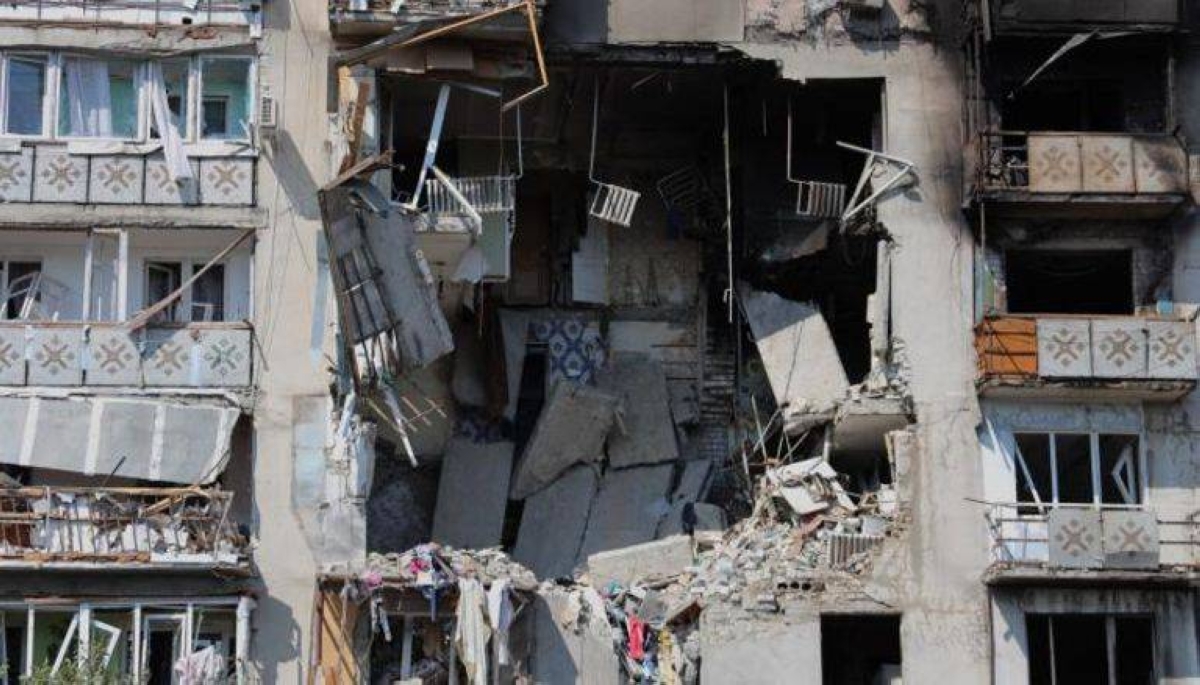
مبنى مدمر في أوديسا


تابع قناة عكاظ على الواتساب
«عكاظ»، وكالات (موسكو) okaz_online@
The spokesperson for the Russian Foreign Ministry, Maria Zakharova, tied the achievement of peace in Ukraine to the West's cessation of arms supplies. She stated that peace negotiations and a peaceful settlement have never been a real agenda for the West; otherwise, it would have stopped supplying Kyiv with weapons.
In response to a question from the TASS agency, she added: If the West wants peace in Ukraine, it must stop supplying weapons, cease sponsoring terrorist activities, and perhaps ensure that the Kyiv regime does not implement and spread extremist ideology. But they are doing none of that. On the contrary, they are increasingly seeking arms supplies and militarization with enthusiasm and aggression. They have increasingly begun to use direct aggressive intimidation, especially against their own peoples.
Zakharova reiterated the need to look at the roots of the crisis and understand that the phrases "peace negotiations" and "political and diplomatic organization" have never been a real direction or genuine philosophy for the West, whether it be the collective West, NATO, or any of its members independently.
The third round of direct Russian-Ukrainian negotiations ended last Wednesday evening in Istanbul, where the positions of the two countries remained distant regarding the end of the war, but a new agreement was reached on the exchange of prisoners after talks held at the Çırağan Palace in Istanbul that lasted about an hour.
The head of the Russian delegation, Vladimir Medinsky, stated at a press conference that the positions of the two countries "remain distant."
In response to a question from the TASS agency, she added: If the West wants peace in Ukraine, it must stop supplying weapons, cease sponsoring terrorist activities, and perhaps ensure that the Kyiv regime does not implement and spread extremist ideology. But they are doing none of that. On the contrary, they are increasingly seeking arms supplies and militarization with enthusiasm and aggression. They have increasingly begun to use direct aggressive intimidation, especially against their own peoples.
Zakharova reiterated the need to look at the roots of the crisis and understand that the phrases "peace negotiations" and "political and diplomatic organization" have never been a real direction or genuine philosophy for the West, whether it be the collective West, NATO, or any of its members independently.
The third round of direct Russian-Ukrainian negotiations ended last Wednesday evening in Istanbul, where the positions of the two countries remained distant regarding the end of the war, but a new agreement was reached on the exchange of prisoners after talks held at the Çırağan Palace in Istanbul that lasted about an hour.
The head of the Russian delegation, Vladimir Medinsky, stated at a press conference that the positions of the two countries "remain distant."