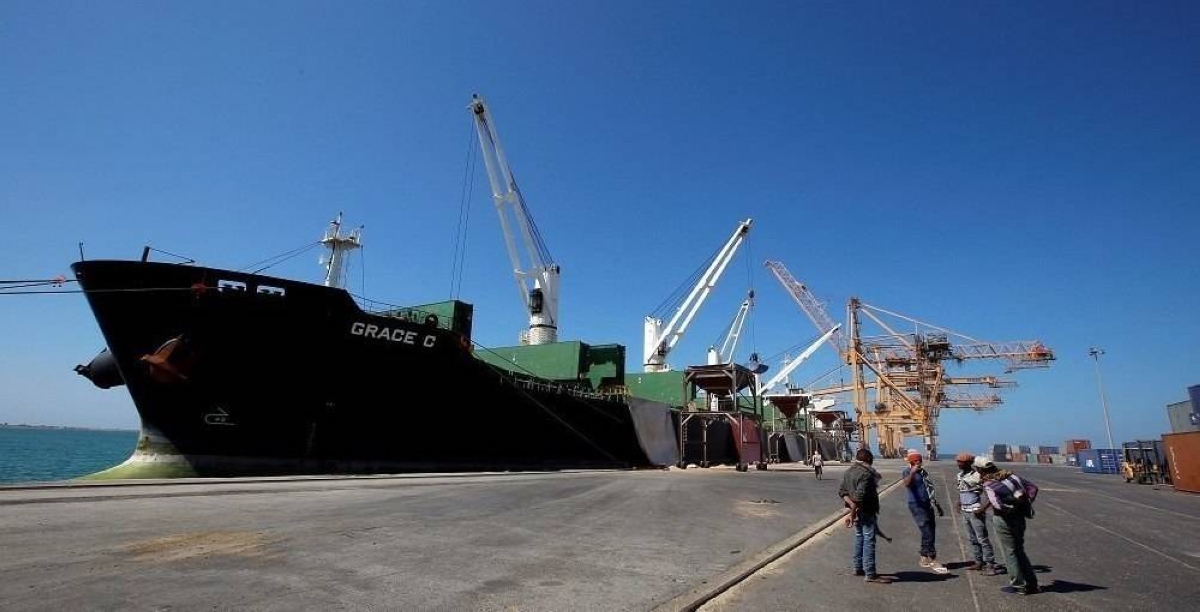
أعلنت وزارة الخزانة الأمريكية اليوم (الثلاثاء) فرض عقوبات على شخصين وخمسة كيانات تعمل كشبكة تهريب للنفط والتهرب من العقوبات في جميع أنحاء اليمن، متهمة أياهم بغسل الأموال.
وذكرت وزارة الخزانة الأمريكية في بيان أن الشخصين والكيانات الـ5 التي فرضت عليها العقوبات من بين أهم مستوردي المنتجات النفطية وغاسلي الأموال الذين يستفد الحوثي منهم، موضحة أن الحوثي يحصل مئات الملايين من الدولارات سنوياً من خلال العمل مع رجال الأعمال ويوظفها لصالح أنشطة مزعزعة لاستقرار المنطقة.
وقال نائب وزير الخزانة مايكل فولكندر: «يتعاون الحوثيون مع رجال الأعمال الانتهازيين لجني أرباح هائلة من استيراد المنتجات النفطية وتمكين الجماعة من الوصول إلى النظام المالي الدولي»، مضيفاً: «هذه الشبكات من الشركات المشبوهة تدعم آلة الحوثي وستستخدم وزارة الخزانة جميع الأدوات المتاحة لها لإحباط هذه المخططات».
وأكدت الوزارة في بيانها أن محمد السنيدار المشمول في العقوبة يدير شبكة من شركات النفط وهو من أبرز مستوردي النفط في اليمن، موضحة أن العقوبات شملت 3 شركات في شبكة السيندار كونها نسقت مع شركة مدرجة على قائمة عقوبات أمريكية لتسليم الحوثيين منتجات نفطية قيمتها 12 مليون دولار تقريباً.
ولفت البيان إلى المشمول الثاني في العقوبات يحيى محمد الوزير، وهو يقف وراء غسل الأموال وجمعها لصالح الحوثي، وأن شركته خلال الفترة بين نوفمبر وديسمبر العام الماضي أنفقت ما يقرب من ستة ملايين يورو عبر خمس دفعات لشراء الفحم السائب لاستيراده إلى اليمن، مع أنها في نظام عملها تزعم أنها تتاجر في القرطاسية إلى صنعاء.
يذكر أن الحوثيين كانوا قد أقروا مطلع الشهر الجاري بإغراق سفينتين إحداهما «إيترنيتي سي»، التي ترفع علم ليبيريا، وتشغلها شركة يونانية، وقتلوا عدداً من بحارتها واختطفوا آخرين.
وكانت وزارة الخارجية الأمريكية قد أعلنت في 5 مارس الماضي تصنيف الجماعة الحوثية كـ«منظمة إرهابية أجنبية».
من جهته، رحب وزير الإعلام والثقافة والسياحة اليمني معمر الإرياني بالعقوبات الأمريكية ضد شبكات تهريب النفط وغسل الأموال المرتبطة بالحوثي، مؤكداً أنها تمثل خطوة مهمة ضمن الجهود الدولية الرامية إلى تجفيف مصادر تمويل الحوثي وتسهم في تجميد أصوله وتعطيل الشبكات المالية والتجارية التي يعتمد عليها في تمويل عملياتها الإرهابية داخل اليمن والمنطقة، وكذلك في تنفيذ هجماتها المتكررة على خطوط الملاحة الدولية في البحر الأحمر وباب المندب وخليج عدن.
وقال الإرياني: نجدد التأكيد على أن تجارة المشتقات النفطية تمثل شرياناً رئيسياً للحوثي يجني سنوياً منها ما بين (2.5 إلى 3 مليارات دولار) من عمليات استيراد وبيع النفط والغاز عبر فرض رسوم جمركية وضريبية مضاعفة على الواردات، والحصول على شحنات نفط وغاز مجانية من داعميه، إضافة إلى الفوارق السعرية في الأسواق المحلية، والسوق السوداء، داعياً المجتمع الدولي، وفي مقدمته الاتحاد الأوروبي والمملكة المتحدة، إلى اتخاذ خطوات مماثلة لملاحقة شبكات تهريب النفط وغسل الأموال الحوثية بما يُسهم في وقف تمويل الحرب على الشعب اليمني، وكبح أنشطتها الإرهابية التي بات العالم أجمع يدفع ثمنها.
وحذر وزير الإعلام اليمني الشركات النفطية وملاك الناقلات النفطية من مغبة التعامل مع جماعة الحوثي، باعتبارها تنظيماً إرهابياً مدرجاً على قوائم العقوبات، مؤكداً أن أي تعامل تجاري معها يمثل خرقاً للقوانين الدولية ويعرّض الشركات والناقلات والمسؤولين عنها للمساءلة القانونية والعقوبات الدولية.
The U.S. Department of the Treasury announced today (Tuesday) the imposition of sanctions on two individuals and five entities operating as a network for oil smuggling and evading sanctions throughout Yemen, accusing them of money laundering.
The U.S. Treasury Department stated in a press release that the two individuals and the five entities sanctioned are among the main importers of petroleum products and money launderers benefiting the Houthis, explaining that the Houthis receive hundreds of millions of dollars annually by working with businessmen and use it for destabilizing activities in the region.
Deputy Treasury Secretary Michael Fulkander said, “The Houthis are collaborating with opportunistic businessmen to reap enormous profits from importing petroleum products, enabling the group to access the international financial system,” adding, “These networks of dubious companies support the Houthi machine, and the Treasury will use all available tools to thwart these schemes.”
The department confirmed in its statement that Mohammed Al-Sunaidar, who is included in the sanctions, manages a network of oil companies and is one of the prominent oil importers in Yemen, noting that the sanctions included three companies in the Al-Sunaidar network as they coordinated with a company listed on the U.S. sanctions list to deliver petroleum products worth approximately $12 million to the Houthis.
The statement pointed out that the second individual included in the sanctions, Yahya Mohammed Al-Wazir, is behind the money laundering and collection for the Houthis, and that his company spent nearly six million euros through five payments to purchase bulk coal for import to Yemen between November and December of last year, although it claims in its operations to trade in stationery to Sana'a.
It is noteworthy that the Houthis had admitted earlier this month to sinking two ships, one of which is the "Eternity Sea," which flies the Liberian flag and is operated by a Greek company, killing several of its sailors and kidnapping others.
The U.S. State Department had announced on March 5 that it classified the Houthi group as a “foreign terrorist organization.”
For his part, Yemeni Minister of Information, Culture, and Tourism Muammar Al-Eryani welcomed the U.S. sanctions against oil smuggling and money laundering networks linked to the Houthis, confirming that they represent an important step in the international efforts aimed at drying up the Houthis' sources of funding and contribute to freezing their assets and disrupting the financial and commercial networks they rely on to finance their terrorist operations inside Yemen and the region, as well as in carrying out their repeated attacks on international shipping lines in the Red Sea, Bab el-Mandeb, and the Gulf of Aden.
Al-Eryani reiterated that the trade in petroleum derivatives represents a main artery for the Houthis, from which they earn between $2.5 to $3 billion annually from the import and sale of oil and gas through imposing doubled customs and tax fees on imports, receiving free shipments of oil and gas from their supporters, in addition to price differentials in local markets and the black market, calling on the international community, led by the European Union and the United Kingdom, to take similar steps to pursue Houthi oil smuggling and money laundering networks, which would help stop funding the war against the Yemeni people and curb their terrorist activities that the entire world is now paying the price for.
Yemeni Minister of Information warned oil companies and oil tanker owners against dealing with the Houthi group, considering it a terrorist organization listed on the sanctions lists, confirming that any commercial dealings with them represent a violation of international laws and expose companies, tankers, and their officials to legal accountability and international sanctions.