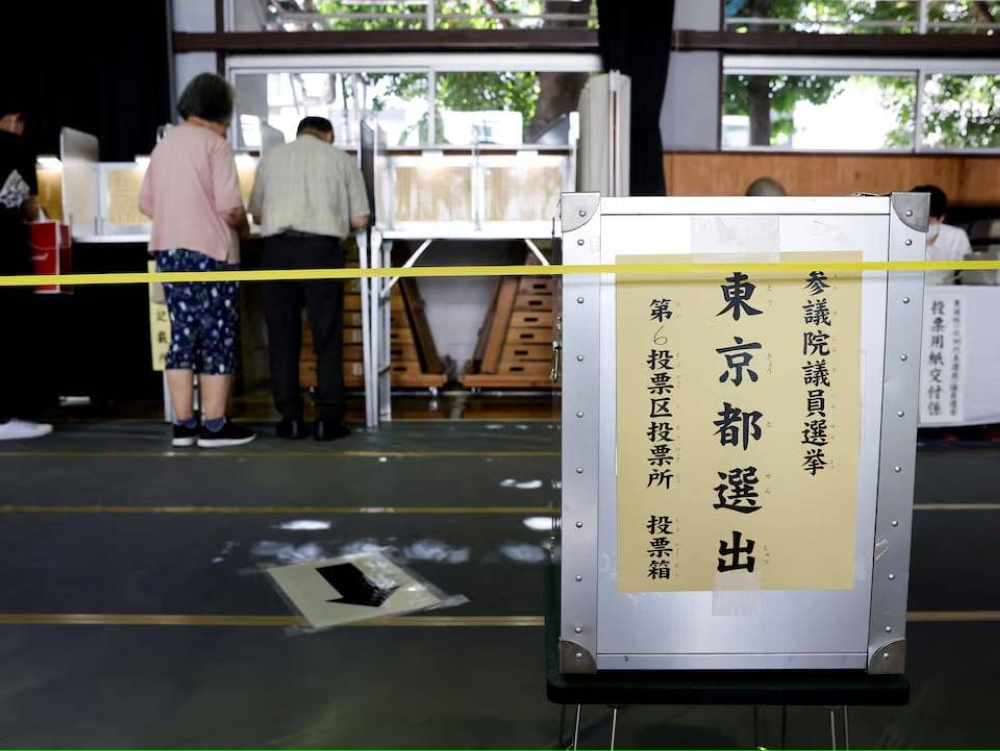
يتوجه الناخبون اليابانيون إلى صناديق الاقتراع اليوم (الأحد) للمشاركة في انتخابات مجلس النواب الأعلى، التي تُعدّ معركة سياسية حامية قد تهز استقرار الحكومة.
وتواجه حكومة رئيس الوزراء شيغيرو إيشيبا تحديات كبيرة بسبب ارتفاع الأسعار والهموم المرتبطة بالهجرة، ما يهدد بإضعاف سيطرته على السلطة.
وبحسب وكالة «رويترز»، تشير استطلاعات الرأي إلى أن حزب إيشيبا الديمقراطي الليبرالي وحليفه كوميتو قد لا يحصلان على العدد الكافي من المقاعد (50 مقعدا) للاحتفاظ بالسيطرة على مجلس النواب الأعلى الذي يضم 248 مقعدا، حيث يتنافس المرشحون على نصف المقاعد.
وتُظهر الاستطلاعات تقدماً لأحزاب المعارضة الصغيرة التي تطالب بخفض الضرائب وزيادة الإنفاق العام، بما في ذلك حزب سانسيتو اليميني الذي يدعو إلى تقييد الهجرة ورفض تدفقات رأس المال الأجنبي وإلغاء سياسات المساواة بين الجنسين.
وتُغلق مراكز الاقتراع أبوابها في الثامنة مساءً (11:00 بتوقيت غرينتش)، ومن المتوقع أن تعلن وسائل الإعلام النتائج الأولية بناءً على استطلاعات الخروج.
ويحذر المحللون من أن أداءً ضعيفاً للتحالف الحاكم قد يؤثر على ثقة المستثمرين في رابع أكبر اقتصاد في العالم، وقد يعرقل المفاوضات التجارية الحاسمة مع الولايات المتحدة.
وقد يضطر إيشيبا إلى التنحي لصالح زعيم جديد للحزب الديمقراطي الليبرالي أو السعي لكسب دعم بعض أحزاب المعارضة من خلال تقديم تنازلات سياسية، وفقاً لما ذكره رينتارو نيشيمورا، محلل في مجموعة آسيا باليابان.
وأضاف: كلا السيناريوهين يتطلبان تنازلات من الحزب الديمقراطي الليبرالي وكوميتو، وسيكونان تحدياً كبيراً لأن أي شريك محتمل سيمتلك نفوذاً في المفاوضات.
وتواجه اليابان مهلة نهائية في الأول من أغسطس لإبرام اتفاق تجاري مع الولايات المتحدة، وإلا ستواجه رسوماً جمركية عقابية في أكبر أسواق تصديرها.
هذه الرسوم قد تزيد الضغط على الاقتصاد وتدفع الحكومة لتقديم إعانات مالية للأسر التي تعاني بالفعل من التضخم، بما في ذلك ارتفاع أسعار الأرز بمقدار الضعف منذ العام الماضي.
وفي ظل ترقب رد فعل سوق السندات الحكومية، دعا الحزب الديمقراطي الليبرالي إلى ضبط النفقات المالية ورفض مقترحات المعارضة لخفض الضرائب بشكل كبير وزيادة الإنفاق الاجتماعي لتخفيف وطأة التضخم.
يُذكر أن إدارة إيشيبا خسرت أغلبيتها في مجلس النواب الأدنى، الأكثر نفوذاً، في أكتوبر الماضي، في أسوأ أداء للحزب منذ 15 عاماً، ما أثار اضطرابات في الأسواق المالية وعرّض رئيس الوزراء لخطر مواجهة تصويت بحجب الثقة قد يطيح بحكومته ويؤدي إلى انتخابات عامة جديدة.
تجدر الإشارة إلى أن اليابان، التي حكمها الحزب الديمقراطي الليبرالي لمعظم الفترة بعد الحرب العالمية الثانية، تمكنت حتى الآن من تجنب الانقسامات الاجتماعية وتفتت السياسة التي شهدتها ديمقراطيات صناعية أخرى.
Japanese voters head to the polls today (Sunday) to participate in the upper house elections, which are considered a heated political battle that could shake the stability of the government.
The government of Prime Minister Shigeru Ishiba faces significant challenges due to rising prices and concerns related to immigration, threatening to weaken his grip on power.
According to Reuters, opinion polls indicate that Ishiba's Liberal Democratic Party and its ally Komeito may not secure enough seats (50 seats) to maintain control of the upper house, which has 248 seats, as candidates compete for half of the seats.
The polls show progress for smaller opposition parties that are calling for tax cuts and increased public spending, including the right-wing Sanseito Party, which advocates for restricting immigration, rejecting foreign capital flows, and abolishing gender equality policies.
Polling stations will close at 8 PM (11:00 GMT), and media outlets are expected to announce preliminary results based on exit polls.
Analysts warn that a weak performance by the ruling coalition could affect investor confidence in the world's fourth-largest economy and may hinder crucial trade negotiations with the United States.
Ishiba may have to step down in favor of a new leader for the Liberal Democratic Party or seek support from some opposition parties by making political concessions, according to Rentaro Nishimura, an analyst at Japan's Asia Group.
He added: Both scenarios require concessions from the Liberal Democratic Party and Komeito, and they will be a significant challenge as any potential partner will have leverage in negotiations.
Japan faces a deadline on August 1 to finalize a trade agreement with the United States, or it will face punitive tariffs in its largest export market.
These tariffs could increase pressure on the economy and push the government to provide financial aid to families already suffering from inflation, including a doubling in rice prices since last year.
Amid anticipation of the reaction in the government bond market, the Liberal Democratic Party has called for fiscal restraint and rejected opposition proposals for significant tax cuts and increased social spending to alleviate the burden of inflation.
It is worth noting that Ishiba's administration lost its majority in the more powerful lower house last October, marking the party's worst performance in 15 years, which sparked turmoil in financial markets and put the Prime Minister at risk of facing a no-confidence vote that could topple his government and lead to new general elections.
It is noteworthy that Japan, which has been ruled by the Liberal Democratic Party for most of the post-World War II period, has so far managed to avoid the social divisions and fragmented politics seen in other industrial democracies.