


حدد رئيس الوزراء الإسرائيلي بنيامين نتنياهو 3 شروط، يتعين على إيران تنفيذها، إذا أرادت تجنب هجوم جديد، وفق قوله، وهي أن تتخلى عن: تخصيب اليورانيوم، وتطوير برنامج الصواريخ الباليستية، ودعم الإرهاب.
وفي مقابلة مع شبكة «فوكس نيوز» الأمريكية، قال نتنياهو: إن الصفقة الاستثنائية مع إيران يجب أن تشمل: التخلي عن التخصيب، التخلي عن الصواريخ الباليستية التي يمكنها أن تصل إلى سواحلِ أمريكا، وألا يتجاوز مدى الصواريخ الباليستية المدى الذي تسمح به المعاهدات الدولية، أي لا يتجاوز مداها 300 ميل، وأن تتخلى عن الإرهاب.
وأضاف: «إذا تحققت هذه الشروط الثلاثة ووافقت عليها إيران فسيكون نظامًا مختلفًا، وإذا لم يوافق، فلا بد من الحيلولة بينهم وبين ذلك».
واعتبر نتنياهو أن الهجوم الإسرائيلي نجح في تأخير البرنامج النووي الإيراني لسنوات. وأكد أن إسرائيل قتلت علماء نوويين إيرانيين كباراً خلال الحرب الأخيرة في يونيو أكثر مما فعلت من قبل.
وخلال لقائه الرئيس الأمريكي في البيت الأبيض، الإثنين الماضي، أعرب ترمب عن أمله في تجنب شن أي ضربات جديدة ضد إيران، قائلاً: «لا أستطيع أن أتخيل رغبتي في فعل ذلك»، لكن نتنياهو أخبره أنه إذا استأنفت إيران سعيها نحو امتلاك سلاح نووي، فإن إسرائيل ستنفذ المزيد من الضربات العسكرية.
ورد ترمب بأنه يفضل التوصل إلى تسوية دبلوماسية مع طهران، لكنه لم يعترض على الخطة الإسرائيلية، بحسب صحيفة «وول ستريت جورنال»، نقلا عن مسؤولين أمريكيين وإسرائيليين. واعتبر مسؤولون أن محادثات نتنياهو وترمب أبرزت الحسابات المتضاربة بين واشنطن وتل أبيب بشأن إيران.
وأكد نتنياهو أن بلاده قد لا تنتظر «ضوءاً أخضر» أمريكيا لتنفيذ ضربات جديدة، خصوصاً إذا رصدت تحركات جدية نحو تخصيب اليورانيوم. ومع ذلك، فإن أي تحرك واسع النطاق قد يواجه مقاومة من ترمب الذي يفضّل الحفاظ على نافذة تفاوضية مفتوحة مع طهران.
ما شروط نتنياهو لتجنيب إيران هجوماً جديداً ؟
13 يوليو 2025 - 15:19
|
آخر تحديث 13 يوليو 2025 - 15:19
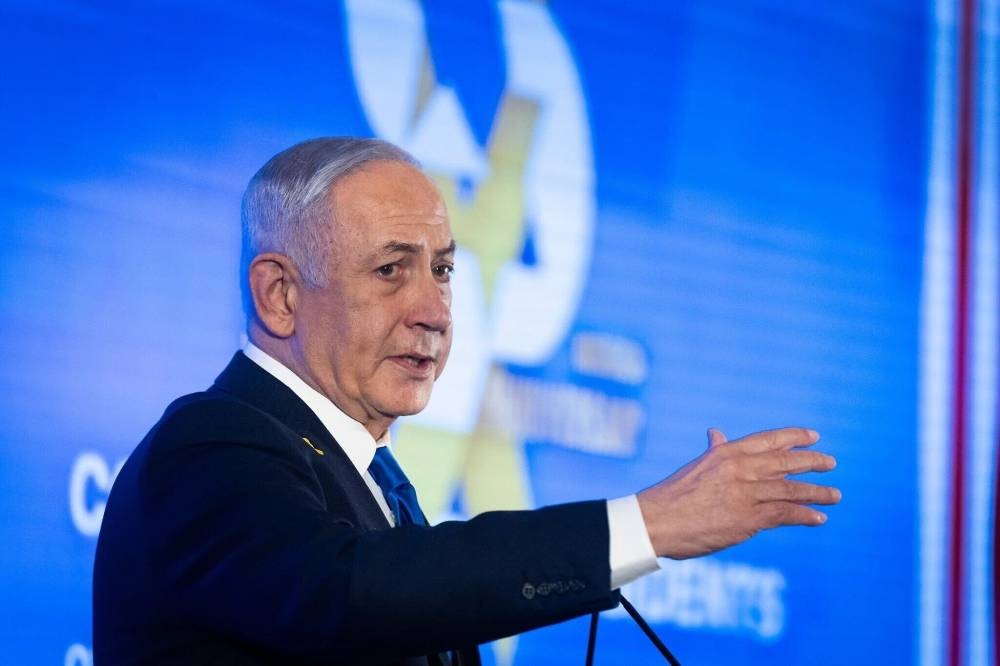
نتنياهو


تابع قناة عكاظ على الواتساب
«عكاظ» (جدة) okaz_online@
Israeli Prime Minister Benjamin Netanyahu outlined 3 conditions that Iran must fulfill if it wants to avoid a new attack, according to him. These are to abandon: uranium enrichment, the development of ballistic missile programs, and support for terrorism.
In an interview with the American network "Fox News," Netanyahu stated that the exceptional deal with Iran must include: abandoning enrichment, abandoning ballistic missiles that can reach the shores of America, ensuring that the range of ballistic missiles does not exceed the limits set by international treaties, specifically not exceeding a range of 300 miles, and abandoning terrorism.
He added: "If these three conditions are met and accepted by Iran, it will be a different regime. If not, we must prevent them from achieving that."
Netanyahu considered that the Israeli attack succeeded in delaying the Iranian nuclear program for years. He confirmed that Israel killed senior Iranian nuclear scientists during the recent war in June more than it had done before.
During his meeting with the American president at the White House last Monday, Trump expressed hope to avoid launching any new strikes against Iran, saying: "I can't imagine wanting to do that," but Netanyahu told him that if Iran resumed its pursuit of a nuclear weapon, Israel would carry out more military strikes.
Trump responded that he preferred to reach a diplomatic settlement with Tehran, but he did not oppose the Israeli plan, according to the "Wall Street Journal," citing American and Israeli officials. Officials considered that the discussions between Netanyahu and Trump highlighted the conflicting calculations between Washington and Tel Aviv regarding Iran.
Netanyahu confirmed that his country may not wait for a "green light" from the U.S. to carry out new strikes, especially if serious movements toward uranium enrichment are detected. However, any large-scale action may face resistance from Trump, who prefers to keep a negotiating window open with Tehran.
In an interview with the American network "Fox News," Netanyahu stated that the exceptional deal with Iran must include: abandoning enrichment, abandoning ballistic missiles that can reach the shores of America, ensuring that the range of ballistic missiles does not exceed the limits set by international treaties, specifically not exceeding a range of 300 miles, and abandoning terrorism.
He added: "If these three conditions are met and accepted by Iran, it will be a different regime. If not, we must prevent them from achieving that."
Netanyahu considered that the Israeli attack succeeded in delaying the Iranian nuclear program for years. He confirmed that Israel killed senior Iranian nuclear scientists during the recent war in June more than it had done before.
During his meeting with the American president at the White House last Monday, Trump expressed hope to avoid launching any new strikes against Iran, saying: "I can't imagine wanting to do that," but Netanyahu told him that if Iran resumed its pursuit of a nuclear weapon, Israel would carry out more military strikes.
Trump responded that he preferred to reach a diplomatic settlement with Tehran, but he did not oppose the Israeli plan, according to the "Wall Street Journal," citing American and Israeli officials. Officials considered that the discussions between Netanyahu and Trump highlighted the conflicting calculations between Washington and Tel Aviv regarding Iran.
Netanyahu confirmed that his country may not wait for a "green light" from the U.S. to carry out new strikes, especially if serious movements toward uranium enrichment are detected. However, any large-scale action may face resistance from Trump, who prefers to keep a negotiating window open with Tehran.


