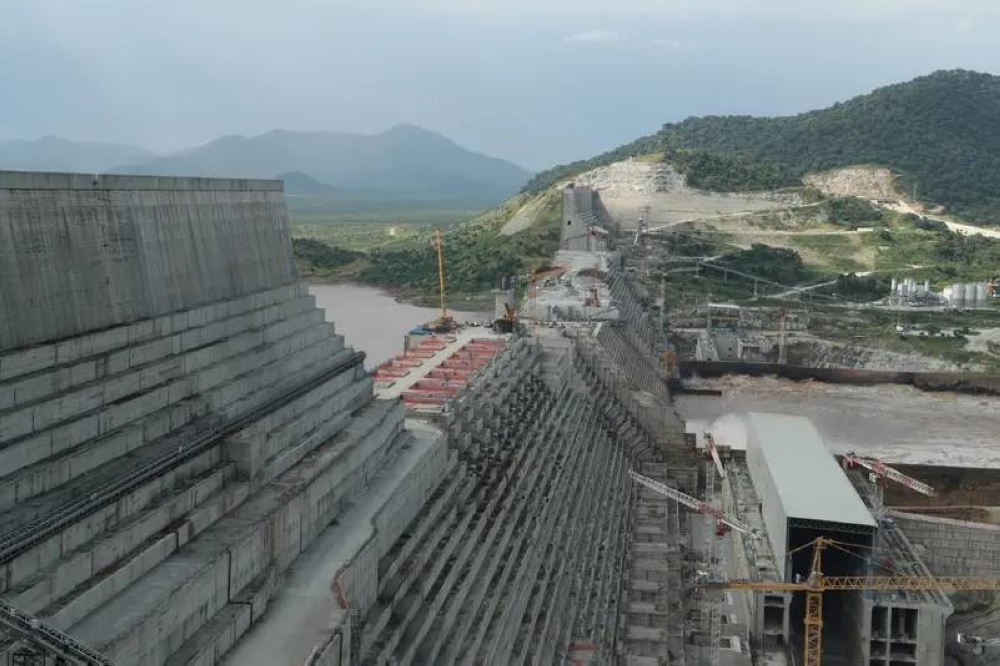
كشف وزير الموارد المائية والري المصري الدكتور هاني سويلم، أن كل نقطة مياه تُخزَّن خلف سد النهضة الإثيوبي تُخصم من حصة مصر، مؤكدا أنه تصرّف مرفوض قانونيًا وإنسانيًا. وأعلن تحديه لرئيس وزراء إثيوبيا أبي أحمد أن يترجم تصريحاته بعدم إضرار دولتي مصب النيل إلى اتفاق ملزم يتعهد فيه بعدم التسبب في أي ضرر لمصر.
وقال الوزير المصري في تصريحات تليفزيوينة مساء أمس الخميس: إن السد «غير شرعي»، ولم يكتمل، مشددا على أن مصر لن تقبل بأي عبث يمس أمنها المائي القومي، كاشفا عن وجود خروقات واضحة من الجانب الإثيوبي لإعلان المبادئ الموقَّع عام 2015، وشدد على أن الدولة تتابع جميع التطورات بدقة عبر أحدث الوسائل التكنولوجية.
وأكد أن السد بني خارج الأطر القانونية المتعارف عليها دوليًا، متهما إثيوبيا بخرق إعلان المبادئ الموقع في 2015، من خلال الملء الأحادي وتشغيل السد من دون التوصل إلى اتفاق مُلزم مع دولتي المصب مصر والسودان.
وأكد الوزير أن مصر تتابع عن كثب كافة تطورات السد باستخدام الأقمار الصناعية والبيانات التحليلية، ما يسمح بتقدير كميات المياه المخزنة، والتصرفات الإثيوبية في السد، رغم ما وصفه بالتحركات العشوائية من الجانب الإثيوبي التي لا تستند إلى مبررات فنية واضحة.
وحول إعلان إثيوبيا افتتاح السد بشكل رسمي في سبتمبر القادم، أكد وزير الري المصري أن السد لم يكتمل بعد، إذ أنجزت أديس أبابا 8 من أصل 13 توربينة، يعمل منها حاليًا 5 إلى 6 فقط وبشكل غير منتظم، معتبرا إعلان الدولة الإثيوبية المتكرر حول الإنتهاء من السد يخالف الواقع.
وزير الري المصري
وتحدث عن التنسيق المستمر مع السودان بشأن تطورات السد الإثيوبي وتأثيراته على دولتي المصب، مؤكدا أن تأثيرات السد على السودان أكبر تأثيرا من مصر في بعض الأحوال، بسبب قرب المسافة جغرافيا مع موقع السد.
وحذر سويلم من أن التأثير السلبي للسد قد يتسبب في هدم سد الروصيرص بسبب التصرفات العشوائية الإثيوبية، مؤكدا أن ما فاوض عليه السودان في مفاوضات سد النهضة على مدار سنوات لم يحصل عليه، وبالتالي فهو متضررا بشكل كبير.
ونوه بأهمية دور السد العالي، واصفًا إياه بأنه «منشأ عبقري» مكّن مصر من امتصاص صدمة الملء الأحادي من دون أزمة حادة، وقال: «لولا السد العالي لما تمكنا من الصمود في مواجهة تصرفات إثيوبيا»، مؤكدًا أهمية الحفاظ عليه كأحد أهم أركان البنية التحتية المائية في البلاد.
وأفاد بأن مصر تمكنت حتى الآن في إعادة استخدام 22 مليار متر مكعب، وتستهدف الوصول إلى 85 مليار متر مكعب بحلول عام 2027، لافتا إلى أن 90% من موارد مصر المائية تأتي من خارج الحدود.
The Egyptian Minister of Water Resources and Irrigation, Dr. Hani Suweilam, revealed that every drop of water stored behind the Ethiopian Renaissance Dam is deducted from Egypt's share, emphasizing that this action is legally and humanely unacceptable. He challenged Ethiopian Prime Minister Abiy Ahmed to translate his statements about not harming the Nile Basin countries into a binding agreement that commits him to not causing any harm to Egypt.
The Egyptian minister stated in television remarks last Thursday evening that the dam is "illegal" and incomplete, stressing that Egypt will not accept any tampering that affects its national water security. He disclosed that there are clear violations from the Ethiopian side regarding the Declaration of Principles signed in 2015, and emphasized that the state is closely monitoring all developments using the latest technological means.
He confirmed that the dam was built outside the internationally recognized legal frameworks, accusing Ethiopia of violating the Declaration of Principles signed in 2015 through unilateral filling and operating the dam without reaching a binding agreement with the downstream countries, Egypt and Sudan.
The minister stated that Egypt is closely monitoring all developments regarding the dam using satellites and analytical data, which allows for estimating the quantities of stored water and Ethiopian actions at the dam, despite what he described as random movements from the Ethiopian side that are not based on clear technical justifications.
Regarding Ethiopia's announcement of the official opening of the dam next September, the Egyptian irrigation minister confirmed that the dam is not yet complete, as Addis Ababa has completed 8 out of 13 turbines, of which only 5 to 6 are currently operational and in an irregular manner, considering the repeated announcement by the Ethiopian state about the completion of the dam to be contrary to reality.
وزير الري المصري
He spoke about the ongoing coordination with Sudan regarding the developments of the Ethiopian dam and its impacts on the downstream countries, confirming that the dam's effects on Sudan are greater than on Egypt in some cases, due to the geographical proximity to the dam's location.
Suweilam warned that the negative impact of the dam could lead to the collapse of the Roseires Dam due to the random Ethiopian actions, confirming that what Sudan negotiated regarding the Renaissance Dam over the years has not been achieved, and thus it is significantly affected.
He noted the importance of the High Dam, describing it as a "genius establishment" that enabled Egypt to absorb the shock of unilateral filling without a severe crisis, stating: "If it weren't for the High Dam, we would not have been able to withstand Ethiopia's actions," emphasizing the importance of maintaining it as one of the most important pillars of the country's water infrastructure.
He reported that Egypt has so far managed to reuse 22 billion cubic meters and aims to reach 85 billion cubic meters by 2027, noting that 90% of Egypt's water resources come from outside its borders.