


كشفت معلومات استخباراتية أن إيران استخدمت نحو نصف مخزونها من الصواريخ خلال الحرب ضد إسرائيل، وفقا لما أوردته «فوكس نيوز». وأفادت المعلومات بأن طهران دخلت النزاع بترسانة تُقدّر بنحو 3 آلاف صاروخ، و500 إلى 600 منصة إطلاق. وذكرت أنه في نهاية «حرب الأيام الـ12» والتي شملت سلسلة هجمات إسرائيلية استهدفت مستودعات التخزين العسكري ومرافق الإنتاج، تلتها ضربات أمريكية على مواقع نووية وردود إيرانية، انخفضت الترسانة الإيرانية إلى ما بين 1000 و1500 صاروخ، و150 إلى 200 منصة إطلاق فقط.
وفي هذا السياق، قال الخبير في الشأن الإيراني في مؤسسة الدفاع عن الديمقراطيات بهنام بن طالبلو، إن إيران باتت مضطرة بشكل متزايد للاختيار بين استخدام هذه المقذوفات أو خسارتها، في ظل استهداف إسرائيل لمنصات إطلاق الصواريخ.
فيما لفت الخبير في الشأن الإيراني في معهد دراسات الأمن القومي داني سيترينوفيتش، إلى أن استبدال منصات الإطلاق بعد أن دمّرت إسرائيل قدرات الإنتاج سيكون بالغ الصعوبة.
ونقل موقع «فوكس نيوز» عن سيترينوفيتش قوله: إن إسرائيل هاجمت كل موقع يصنع فيه الإيرانيون الصواريخ. وأضاف أن إيران قد تكون قادرة على مهاجمة إسرائيل بصواريخها، لكن ليس بالمئات من الصواريخ.
أما الخبير في الشؤون العسكرية في الشرق الأوسط شدد جان كاس أوغلو، فقال «رغم الانتكاسات التي تعرضت لها إيران إلا أنها لا تزال القوة الصاروخية الباليستية الأكبر في الشرق الأوسط». وأضاف: «رأينا ذلك خلال الحرب، حيث تمكنت إيران من اختراق الأجواء الإسرائيلية، حتى في ظل إطلاق القبة الحديدية والمنظومات الأمريكية صواريخ اعتراض بشكل متواصل لإيقاف صاروخ باليستي واحد فقط».
إيران استخدمت نصف مخزونها الصاروخي خلال حرب إسرائيل
9 يوليو 2025 - 15:32
|
آخر تحديث 9 يوليو 2025 - 15:32
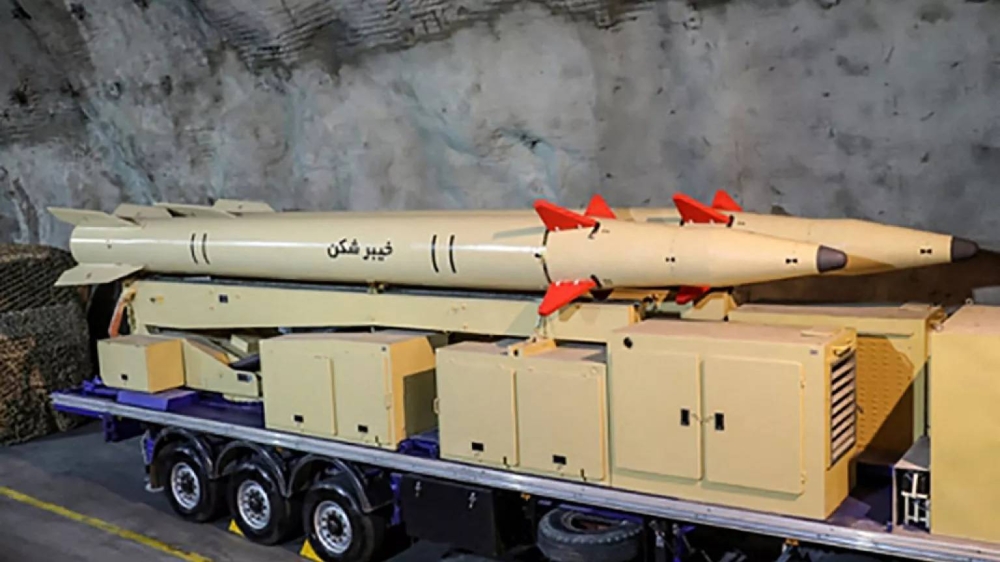
صاروخ خيبر الإيراني


تابع قناة عكاظ على الواتساب
«عكاظ» (جدة) okaz_online@
Intelligence information revealed that Iran has used about half of its missile stockpile during the war against Israel, according to "Fox News." The information indicated that Tehran entered the conflict with an arsenal estimated at around 3,000 missiles and 500 to 600 launch platforms. It was noted that by the end of the "12-day war," which included a series of Israeli attacks targeting military storage warehouses and production facilities, followed by American strikes on nuclear sites and Iranian responses, the Iranian arsenal had decreased to between 1,000 and 1,500 missiles, with only 150 to 200 launch platforms remaining.
In this context, Iranian affairs expert at the Foundation for Defense of Democracies Behnam Ben Taleblu stated that Iran is increasingly forced to choose between using these munitions or losing them, given Israel's targeting of missile launch platforms.
Meanwhile, Iranian affairs expert at the National Security Studies Institute Dani Citrinovich pointed out that replacing launch platforms after Israel has destroyed production capabilities will be extremely difficult.
Fox News quoted Citrinovich as saying that Israel has attacked every site where the Iranians manufacture missiles. He added that while Iran may be able to attack Israel with its missiles, it cannot do so with hundreds of missiles.
On the other hand, military affairs expert in the Middle East Jan Kasoglu emphasized, "Despite the setbacks Iran has faced, it remains the largest ballistic missile power in the Middle East." He added, "We saw this during the war, as Iran was able to penetrate Israeli airspace, even with the Iron Dome and American systems continuously launching intercepting missiles to stop just one ballistic missile."
In this context, Iranian affairs expert at the Foundation for Defense of Democracies Behnam Ben Taleblu stated that Iran is increasingly forced to choose between using these munitions or losing them, given Israel's targeting of missile launch platforms.
Meanwhile, Iranian affairs expert at the National Security Studies Institute Dani Citrinovich pointed out that replacing launch platforms after Israel has destroyed production capabilities will be extremely difficult.
Fox News quoted Citrinovich as saying that Israel has attacked every site where the Iranians manufacture missiles. He added that while Iran may be able to attack Israel with its missiles, it cannot do so with hundreds of missiles.
On the other hand, military affairs expert in the Middle East Jan Kasoglu emphasized, "Despite the setbacks Iran has faced, it remains the largest ballistic missile power in the Middle East." He added, "We saw this during the war, as Iran was able to penetrate Israeli airspace, even with the Iron Dome and American systems continuously launching intercepting missiles to stop just one ballistic missile."


