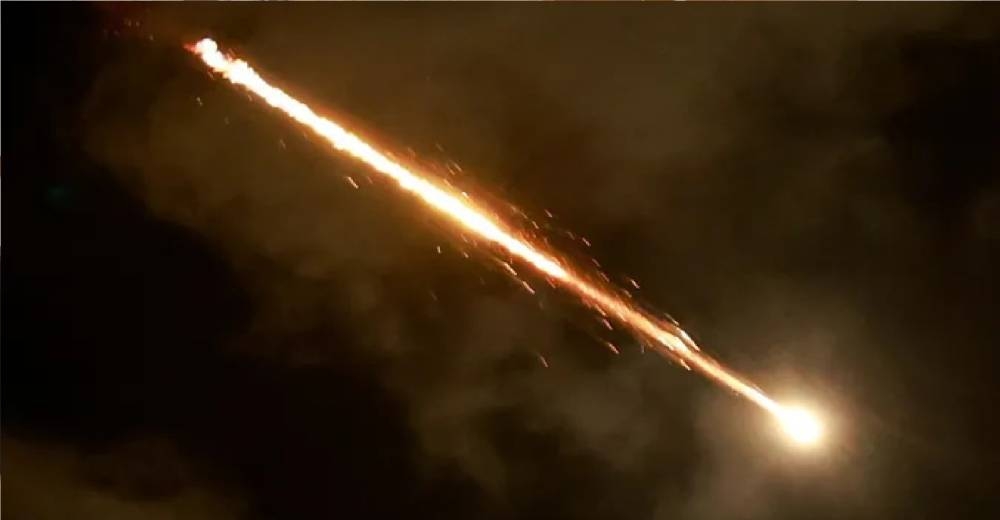
هدد المتحدث باسم الحرس الثوري الإيراني العميد علي محمد نائيني اليوم (السبت) برد ساحق في حال وقوع أي عدوان جديد على بلاده، مؤكداً أنه «لن يكون هناك أي خط أحمر لدينا»، بحسب وكالة «إرنا» الإيرانية الرسمية للأنباء.
ونقلت الوكالة عن نائيني قوله: «الرد الإيراني السريع على العدوان الأخير أفشل حسابات الأعداء»، موضحاً أن نتائج الحرب تُقاس بمدى تحقيق الأهداف، والعدو لم يحقق أيّاً من أهدافه خلال الحرب الأخيرة.
وأوضح المتحدث أن الهدف المركزي للعدو كان تدمير قوة نظام إيران، مبيناً أن العدو أعلن بشكلٍ صريح أن الحرب تهدف إلى إخضاع إيران وتجزئتها والقضاء عليها، لكنها فشلت في تحقيق ذلك.
وقال المتحدث باسم الحرس الثوري: «العدو لجأ إلى العمل العسكري بعد عجزه عن تحقيق أهدافه من خلال المحادثات»، معتبراً أن هذا الانتقال يعكس أنّ «الأعداء لا يملكون فهماً كافياً لطبيعة النظام في إيران».
واعتبر العميد نائيني أن استهداف قادة عسكريين إيرانيين خلال الحرب الأخيرة «لم يحقق هدفه بإرباك القيادة الإيرانية»، بل على العكس «كان ردّنا سريعاً عليهم».
وأشار إلى أن بلاده أطلقت «أكثر من 2000 صاروخ وطائرة مسيّرة باتجاه إسرائيل» خلال حرب الـ12 يوماً.
وكانت صحيفة «التلغراف» البريطانية قد ذكرت أن إيران ضربت 5 منشآت عسكرية إسرائيلية بشكل مباشر خلال الحرب الأخيرة، وفقاً لبيانات رادار اطلعت عليها، موضحة أنه تمت مشاركة تلك البيانات مع «التلغراف» من قبل أكاديميين أمريكيين في جامعة ولاية أوريغون، الذين يتخصصون في استخدام بيانات الرادار عبر الأقمار الصناعية للكشف عن أضرار القنابل في مناطق الحرب.
وأشارت البيانات إلى أن 5 منشآت عسكرية لم يتم الإبلاغ عنها سابقاً تعرضت لضربات بـ6 صواريخ إيرانية في شمال وجنوب ووسط إسرائيل، بما في ذلك قاعدة جوية رئيسية ومركز لجمع المعلومات الاستخبارية وقاعدة لوجستية.
ويظهر تحليل البيانات الذي أجرته «التلغراف» أن أنظمة الدفاع الأمريكية والإسرائيلية مجتمعة حققت أداء جيداً بشكل عام، ولكنها سمحت بمرور نحو 16% من الصواريخ بحلول اليوم السابع من الحرب، ويتوافق هذا بشكل عام مع تقدير سابق للجيش الإسرائيلي لنظام الدفاع الذي حدد معدل النجاح بـ«87%».
ولم تعلن السلطات الإسرائيلية عن هذه الضربات، ولا يمكن الإبلاغ عنها من داخل البلاد بسبب قوانين الرقابة العسكرية الصارمة، فيما رفض الجيش الإسرائيلي التعليق لـ«التلغراف» على معدلات اعتراض الصواريخ أو الأضرار التي لحقت بالقواعد.
The spokesman for the Iranian Revolutionary Guard, Brigadier General Ali Mohammad Naeini, threatened today (Saturday) with a crushing response in the event of any new aggression against his country, emphasizing that "there will be no red lines for us," according to the official Iranian news agency "IRNA."
The agency quoted Naeini as saying: "The swift Iranian response to the recent aggression thwarted the enemies' calculations," explaining that the results of the war are measured by the extent to which objectives are achieved, and the enemy did not achieve any of its goals during the recent war.
The spokesman clarified that the central goal of the enemy was to destroy the power of the Iranian regime, pointing out that the enemy explicitly stated that the war aims to subjugate, fragment, and eliminate Iran, but it failed to achieve that.
The spokesman for the Revolutionary Guard said: "The enemy resorted to military action after failing to achieve its goals through negotiations," considering that this transition reflects that "the enemies do not have a sufficient understanding of the nature of the regime in Iran."
Brigadier General Naeini considered that targeting Iranian military leaders during the recent war "did not achieve its goal of disrupting the Iranian leadership," but on the contrary, "our response was swift against them."
He pointed out that his country launched "more than 2,000 missiles and drones towards Israel" during the 12-day war.
The British newspaper "The Telegraph" reported that Iran directly struck 5 Israeli military facilities during the recent war, according to radar data it reviewed, explaining that this data was shared with "The Telegraph" by American academics at Oregon State University, who specialize in using satellite radar data to detect bomb damage in war zones.
The data indicated that 5 previously unreported military facilities were hit by 6 Iranian missiles in northern, southern, and central Israel, including a major airbase, an intelligence gathering center, and a logistics base.
An analysis of the data conducted by "The Telegraph" shows that the combined American and Israeli defense systems performed well overall, but allowed about 16% of the missiles to pass by the seventh day of the war, which generally aligns with a previous estimate by the Israeli army of the defense system's success rate at "87%."
The Israeli authorities have not announced these strikes, and they cannot be reported from within the country due to strict military censorship laws, while the Israeli army declined to comment to "The Telegraph" on missile interception rates or the damage inflicted on the bases.