


في رواية تناقض ما أعلنه الرئيس الأمريكي دونالد ترمب، أعلن المدير العام للوكالة الدولية للطاقة الذرية رافايل غروسي، أن البرنامج النووي الإيراني «لا يزال حيًا»، وأن لدى طهران القدرة على استئناف تخصيب اليورانيوم خلال أشهر.
وقال غروسي إن «المرافق النووية الإيرانية لم تدمر تماما»، لافتا إلى بقاء بعض أجهزة الطرد المركزي في حالة صالحة للعمل.
وأفاد بأن كمية من اليورانيوم المخصب التي تقدر بأكثر من 400 كلغ، لا يزال مصيرها مجهولا، ما يزيد الشكوك حول حجم الأضرار الفعلية التي لحقت بالبنية التحتية النووية نتيجة الاستهداف الأمريكي.
ورغم حجم الضربات، لم يستبعد غروسي أن تتمكن طهران من إعادة إطلاق برنامجها النووي، ربما بطريقة أكثر سرية هذه المرة. وأشار إلى أن تعليق طهران تعاونها مع الوكالة، بل وتهديدها العلني له كما ورد في بعض وسائل إعلامها، يعقد من مهمة التفتيش ويثير قلقًا متصاعدًا لدى المجتمع الدولي.
ويمكن تقييم أثر الضربات دون معرفة مصير المنشآت التي أُصيبت، ومصير اليورانيوم المخصب الذي تبقى.
من جانبه، دعا المتحدث باسم الخارجية الإيرانية إسماعيل بقائي، الوكالة الدولية للطاقة الذرية العمل في إطار قوانينها ومقرراتها، بعيداً عن الضغوط السياسية.
وأعلن تشكيل لجنة قانونية في طهران لتقديم تقارير رسمية للجهات الدولية حول الضربات الإسرائيلية والأضرار التي ألحقتها بإيران، مؤكدا أنها انتهاك صارخ للقوانين الدولية.
واتهم بقائي في مؤتمر صحفي، اليوم(الإثنين)، تقرير المدير العام للوكالة الدولية للطاقة الذرية، بأنه كان إحدى الذرائع للهجوم على المنشآت النووية الإيرانية، في إشارة إلى تقرير الوكالة السري الذي قال إن طهران سرّعت وتيرة إنتاج اليورانيوم عالي التخصيب، بنسبة 60% القريبة من مستوى 90% المطلوب للاستخدام العسكري.
وشدد على أنه لا يمكن لإيران أن تضمن التعاون المعتاد مع الوكالة الدولية في وقت لا يمكن فيه ضمان أمن مفتشي الوكالة بعد أيام من قصف المواقع النووية بضربات إسرائيلية وأمريكية. وكشف بقائي أن الاتصالات بين إيران وأوروبا مستمرة، لكن لم يتم بعد تحديد موعد المحادثات القادمة.
غروسي يناقض رواية ترمب: «النووي الإيراني» لا يزال حياً
30 يونيو 2025 - 14:49
|
آخر تحديث 30 يونيو 2025 - 14:49
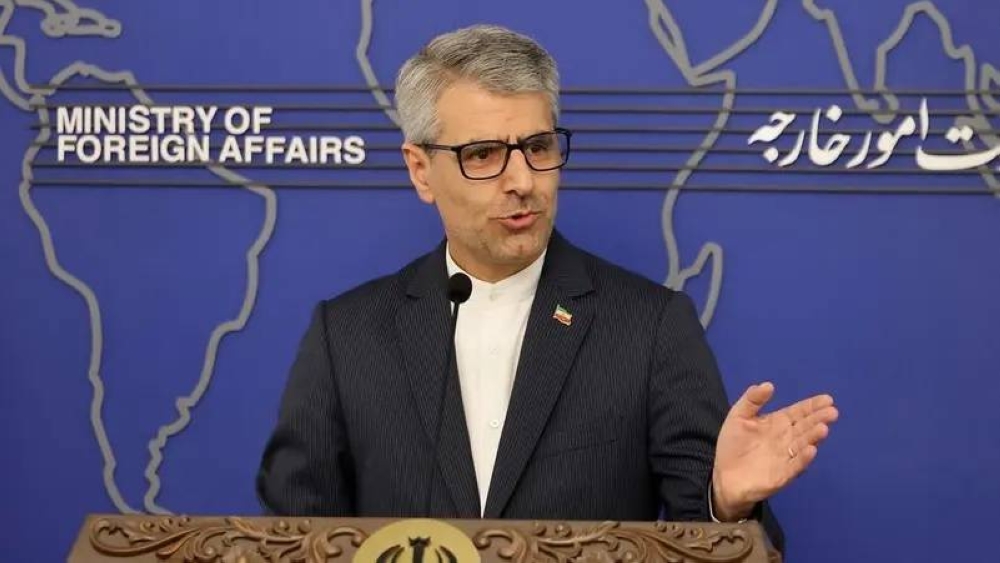
بقائي


تابع قناة عكاظ على الواتساب
«عكاظ»، وكالات (جدة، عواصم)okaz_online@
In a statement contradicting what U.S. President Donald Trump announced, Rafael Grossi, the Director General of the International Atomic Energy Agency, declared that the Iranian nuclear program "is still alive," and that Tehran has the capability to resume uranium enrichment within months.
Grossi stated that "the Iranian nuclear facilities have not been completely destroyed," noting that some centrifuges remain operational.
He reported that a quantity of enriched uranium estimated at over 400 kg remains unaccounted for, raising doubts about the actual extent of the damage inflicted on the nuclear infrastructure as a result of the U.S. targeting.
Despite the scale of the strikes, Grossi did not rule out that Tehran could restart its nuclear program, perhaps in a more secretive manner this time. He pointed out that Tehran's suspension of cooperation with the agency, and its public threats against it as reported in some of its media, complicates the inspection mission and raises growing concerns within the international community.
The impact of the strikes can be assessed without knowing the fate of the facilities that were hit, and the fate of the remaining enriched uranium.
For his part, Iranian Foreign Ministry spokesman Ismail Baqaei called on the International Atomic Energy Agency to operate within its laws and regulations, away from political pressures.
He announced the formation of a legal committee in Tehran to provide official reports to international bodies regarding the Israeli strikes and the damage they inflicted on Iran, emphasizing that these are a blatant violation of international laws.
Baqaei accused the Director General of the International Atomic Energy Agency in a press conference today (Monday) of using the report as one of the pretexts for attacking Iranian nuclear facilities, referring to the agency's secret report which stated that Tehran had accelerated its production of highly enriched uranium at a rate of 60%, close to the 90% level required for military use.
He stressed that Iran cannot guarantee the usual cooperation with the International Atomic Energy Agency at a time when the safety of the agency's inspectors cannot be ensured just days after the nuclear sites were bombed by Israeli and American strikes. Baqaei revealed that communications between Iran and Europe are ongoing, but a date for the next talks has not yet been set.
Grossi stated that "the Iranian nuclear facilities have not been completely destroyed," noting that some centrifuges remain operational.
He reported that a quantity of enriched uranium estimated at over 400 kg remains unaccounted for, raising doubts about the actual extent of the damage inflicted on the nuclear infrastructure as a result of the U.S. targeting.
Despite the scale of the strikes, Grossi did not rule out that Tehran could restart its nuclear program, perhaps in a more secretive manner this time. He pointed out that Tehran's suspension of cooperation with the agency, and its public threats against it as reported in some of its media, complicates the inspection mission and raises growing concerns within the international community.
The impact of the strikes can be assessed without knowing the fate of the facilities that were hit, and the fate of the remaining enriched uranium.
For his part, Iranian Foreign Ministry spokesman Ismail Baqaei called on the International Atomic Energy Agency to operate within its laws and regulations, away from political pressures.
He announced the formation of a legal committee in Tehran to provide official reports to international bodies regarding the Israeli strikes and the damage they inflicted on Iran, emphasizing that these are a blatant violation of international laws.
Baqaei accused the Director General of the International Atomic Energy Agency in a press conference today (Monday) of using the report as one of the pretexts for attacking Iranian nuclear facilities, referring to the agency's secret report which stated that Tehran had accelerated its production of highly enriched uranium at a rate of 60%, close to the 90% level required for military use.
He stressed that Iran cannot guarantee the usual cooperation with the International Atomic Energy Agency at a time when the safety of the agency's inspectors cannot be ensured just days after the nuclear sites were bombed by Israeli and American strikes. Baqaei revealed that communications between Iran and Europe are ongoing, but a date for the next talks has not yet been set.


