


فيما لايزال الجدل محتدما بشأن الأضرار التي أحدثها الاستهداف الأمريكي للمنشآت النووية الإيرانية الثلاث «فوردو ونطنز وأصفهان»، كشفت صور أقمار صناعية جديدة حجم الأضرار. وأظهرت صور نشرتها شركة ماكسار تكنولوجيز، أضرارًا لحقت بالمنشآت الثلاث إثر الغارات الجوية الأمريكية في 22 يونيو. وأفادت «ماكسار» بأن الصور فوق منشأة فوردو لتخصيب الوقود تُظهر حفرًا على طول الطرق المؤدية إلى مداخل الأنفاق.
وبينت صور الأقمار الصناعية التي تم التقاطها في 24 يونيو الجاري، حفر الغارات الجوية فوق قاعات الطرد المركزي تحت الأرض في منشأة نطنز لتخصيب اليورانيوم وسط إيران، وبدت تلك الحفر مملوءة ومغطاة بالتراب بعد الضربات.
وأظهرت الصور مداخل الأنفاق في منشأة أصفهان للتخصيب النووي في 20 يونيو (أعلى)، والأضرار الناجمة عن الغارات الجوية على مداخل تلك الأنفاق في 22 من الشهر عينه (أسفل).
وكانت مصادر مطلعة، أفصحت أن تقييما أوليا للمخابرات الأمريكية خلص إلى أن الهجمات التي استهدفت المنشآت النووية الإيرانية مطلع الأسبوع أخرت برنامج طهران النووي بضعة أشهر فقط.
وأفادت المصادر بأن التقييم لم يكن مقبولا بشكل عام وأثار خلافا كبيرا، خصوصا أن هذا التقييم السري يتعارض مع تصريحات الرئيس دونالد ترمب ومسؤولين أمريكيين كبار، منهم وزير الدفاع بيت هيغسيث، إذ قالوا إن هجمات مطلع الأسبوع، التي استخدمت مزيجا من القنابل الخارقة للتحصينات والأسلحة التقليدية، قضت على أساس البرنامج النووي الإيراني.
وقال ترمب إن الهجمات كانت ضرورية لمنع إيران من تطوير سلاح نووي، مضيفاً أن المواقع النووية المهمة «قُضي عليها تماما وبصورة كاملة». وأكد هيغسيث الأحد، أن الهجمات «محت» طموحات إيران النووية.
في حين من المتوقع أن يكون تقييم الأضرار التي لحقت بالمواقع النووية في فوردو وأصفهان ونطنز مهمة صعبة، علماً أن وكالة المخابرات الدفاعية ليست الوكالة الوحيدة المكلفة بهذه المهمة. وقال مسؤول أمريكي آخر إن الولايات المتحدة لا تعرف مدى الضرر حتى الآن. فيما أفاد مصدر آخر بأنه لم يتم القضاء على مخزونات اليورانيوم المخصب في إيران، بل ربما يكون البرنامج النووي الإيراني قد تراجع شهرا أو شهرين فحسب، وفق قوله.
خلافات أمريكية حول حجم أضرار المنشآت النووية الإيرانية
25 يونيو 2025 - 15:34
|
آخر تحديث 25 يونيو 2025 - 15:34
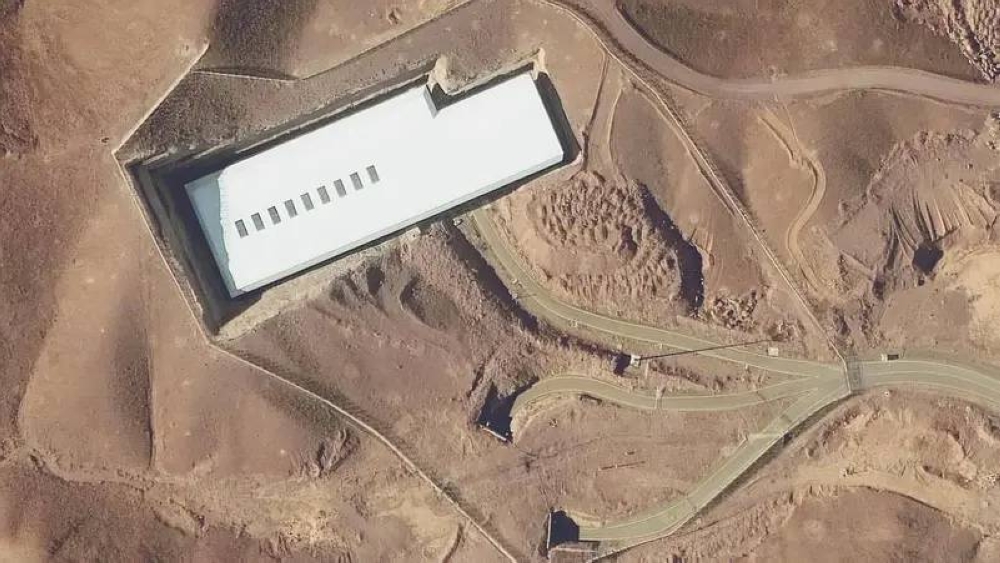
منشأة فوردو النووية الإيرانية.


تابع قناة عكاظ على الواتساب
«عكاظ» (جدة) okaz_online@
While the debate continues over the damage caused by the U.S. targeting of the three Iranian nuclear facilities—Fordow, Natanz, and Isfahan—new satellite images have revealed the extent of the damage. Images published by Maxar Technologies showed damage to the three facilities following U.S. airstrikes on June 22. Maxar reported that the images above the Fordow facility for fuel enrichment show craters along the roads leading to the entrances of the tunnels.
The satellite images captured on June 24 showed craters from the airstrikes above the underground centrifuge halls at the Natanz uranium enrichment facility in central Iran, and these craters appeared to be filled and covered with dirt after the strikes.
The images showed the entrances of the tunnels at the Isfahan nuclear enrichment facility on June 20 (above), and the damage caused by the airstrikes to those tunnel entrances on June 22 of the same month (below).
Informed sources revealed that a preliminary assessment by U.S. intelligence concluded that the attacks targeting the Iranian nuclear facilities earlier in the week delayed Tehran's nuclear program by only a few months.
Sources indicated that the assessment was generally not accepted and sparked significant controversy, especially since this classified assessment contradicts statements made by President Donald Trump and senior U.S. officials, including Defense Secretary Pete Hegseth, who said that the attacks earlier in the week, which used a mix of bunker-busting bombs and conventional weapons, eliminated the foundation of the Iranian nuclear program.
Trump stated that the attacks were necessary to prevent Iran from developing a nuclear weapon, adding that significant nuclear sites were "completely and totally destroyed." Hegseth confirmed on Sunday that the attacks "erased" Iran's nuclear ambitions.
While assessing the damage to the nuclear sites in Fordow, Isfahan, and Natanz is expected to be a challenging task, it is noted that the Defense Intelligence Agency is not the only agency tasked with this mission. Another U.S. official stated that the United States does not yet know the extent of the damage. Meanwhile, another source indicated that the enriched uranium stocks in Iran were not eliminated, and that the Iranian nuclear program may have only been set back by a month or two, according to his statement.
The satellite images captured on June 24 showed craters from the airstrikes above the underground centrifuge halls at the Natanz uranium enrichment facility in central Iran, and these craters appeared to be filled and covered with dirt after the strikes.
The images showed the entrances of the tunnels at the Isfahan nuclear enrichment facility on June 20 (above), and the damage caused by the airstrikes to those tunnel entrances on June 22 of the same month (below).
Informed sources revealed that a preliminary assessment by U.S. intelligence concluded that the attacks targeting the Iranian nuclear facilities earlier in the week delayed Tehran's nuclear program by only a few months.
Sources indicated that the assessment was generally not accepted and sparked significant controversy, especially since this classified assessment contradicts statements made by President Donald Trump and senior U.S. officials, including Defense Secretary Pete Hegseth, who said that the attacks earlier in the week, which used a mix of bunker-busting bombs and conventional weapons, eliminated the foundation of the Iranian nuclear program.
Trump stated that the attacks were necessary to prevent Iran from developing a nuclear weapon, adding that significant nuclear sites were "completely and totally destroyed." Hegseth confirmed on Sunday that the attacks "erased" Iran's nuclear ambitions.
While assessing the damage to the nuclear sites in Fordow, Isfahan, and Natanz is expected to be a challenging task, it is noted that the Defense Intelligence Agency is not the only agency tasked with this mission. Another U.S. official stated that the United States does not yet know the extent of the damage. Meanwhile, another source indicated that the enriched uranium stocks in Iran were not eliminated, and that the Iranian nuclear program may have only been set back by a month or two, according to his statement.


