


نفى وزير الدفاع الباكستاني خواجة محمد آصف اليوم (الأربعاء) وجود أي تنسيق أو تعاون عسكري بين بلاده مع إيران، منذ بداية الحرب بين طهران وتل أبيب، مؤكداً أن منشآت باكستان النووية محصّنة وتخضع لحراسة مشددة.
وقال آصف في مقابلة مع «عرب نيوز»: «باكستان في حالة تأهب منذ حربنا القصيرة مع الهند في مايو، لذا لم نخفف من درجة حذرنا منذ الشهر الماضي، بل منذ أكثر من شهر الآن»، مبيناً أن المنشآت النووية الباكستانية تخضع لحراسة عسكرية مشددة للغاية، وحراسة صارمة جداً.
وأوضح أن بلاده موقّعة على كافة الضمانات الدولية التابعة للوكالة الدولية للطاقة الذرية، «لكن لا يمكننا أبداً أن نغامر بوقوع أي هجوم على منشآتنا النووية من أي جهة كانت»، محذراً إسرائيل من تهديد بلاده.
وقال وزير الدفاع الباكستاني: «هذا الأمر بمثابة شريان حياة عندما يتعلق الأمر بدفاعاتنا، أعتقد أن رئيس الوزراء الإسرائيلي بنيامين نتنياهو أو شعبه أو حكومته سيفكرون مراراً وتكراراً قبل الإقدام على أي عمل ضد باكستان».
وفي ما يتعلق بوجود تنسيق عسكري مع إيران بعد اندلاع الحرب قال آصف: «لا، ليس لدي أي علم بذلك، ولا أرى ضرورة لذلك»، مضيفاً: «هناك تنسيق أمني منتظم جداً بخصوص الحدود الإيرانية الباكستانية بسبب الأنشطة الإرهابية، هذا النوع من التعاون قائم بالفعل، وعليه لا أرى أي نشاط جديد».
ولفت إلى أن التنسيق الدبلوماسي مع الدول الإقليمية والدول الإسلامية مستمر، ورئيس الوزراء والمسؤولين الآخرين، على اتصال دائم مع دول المنطقة، خصوصاً الدول الإسلامية أو الدول المجاورة، والدول التي تربطنا بها صلات دينية أو جغرافية، إضافة إلى الصين ودول أخرى بهدف احتواء الأزمة.
وشدد وزير الدفاع الباكستاني بالقول: «نسعى إلى السلام، ونرغب في تعبئة دول المنطقة لأن هذا الصراع قد يتسع ويبتلع المنطقة بأكملها، ويدفعها إلى وضع قد يكون كارثياً جداً جداً»، مشيراً إلى أنه لا يملك معلومات عن اتصالات محددة خلال الأيام القليلة الماضية مع أمريكا، لكنه أكد أن التواصل مع واشنطن مستمر، بشأن الوضع المتوتر في المنطقة.
أكد أن منشآت بلاده النووية محصّنة
وزير الدفاع الباكستاني: لا تنسيق أو تعاون عسكرياً مع إيران
18 يونيو 2025 - 22:23
|
آخر تحديث 18 يونيو 2025 - 22:23
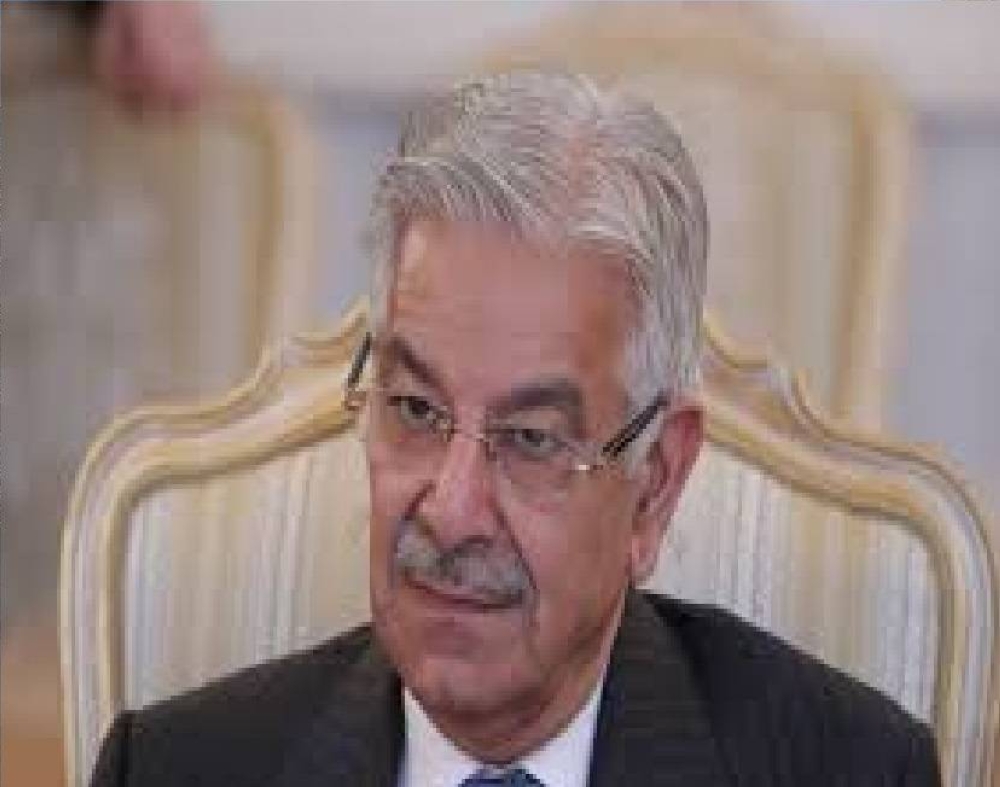
وزير الدفاع الباكستاني


تابع قناة عكاظ على الواتساب
«عكاظ» (إسلام أباد) okaz_online@
The Pakistani Defense Minister Khawaja Muhammad Asif denied today (Wednesday) the existence of any military coordination or cooperation between his country and Iran since the outbreak of the war between Tehran and Tel Aviv, emphasizing that Pakistan's nuclear facilities are fortified and under strict guard.
Asif stated in an interview with "Arab News": "Pakistan has been on alert since our brief war with India in May, so we have not lowered our level of caution since last month, but for more than a month now," explaining that Pakistan's nuclear facilities are under extremely tight military guard and very strict security.
He clarified that his country is a signatory to all international guarantees from the International Atomic Energy Agency, "but we can never risk any attack on our nuclear facilities from any side," warning Israel against threatening his country.
The Pakistani Defense Minister said: "This matter is a lifeline when it comes to our defenses; I believe that Israeli Prime Minister Benjamin Netanyahu or his people or his government will think repeatedly before taking any action against Pakistan."
Regarding the existence of military coordination with Iran after the outbreak of the war, Asif said: "No, I have no knowledge of that, and I see no necessity for it," adding: "There is very regular security coordination regarding the Iranian-Pakistani border due to terrorist activities; this kind of cooperation already exists, and therefore I do not see any new activity."
He pointed out that diplomatic coordination with regional and Islamic countries is ongoing, and the Prime Minister and other officials are in constant contact with countries in the region, especially Islamic or neighboring countries, and countries with which we have religious or geographical ties, in addition to China and other countries to contain the crisis.
The Pakistani Defense Minister emphasized by saying: "We seek peace, and we want to mobilize the countries of the region because this conflict could expand and engulf the entire region, pushing it into a situation that could be very, very catastrophic," noting that he has no information about specific communications in the past few days with the U.S., but he confirmed that communication with Washington is ongoing regarding the tense situation in the region.
Asif stated in an interview with "Arab News": "Pakistan has been on alert since our brief war with India in May, so we have not lowered our level of caution since last month, but for more than a month now," explaining that Pakistan's nuclear facilities are under extremely tight military guard and very strict security.
He clarified that his country is a signatory to all international guarantees from the International Atomic Energy Agency, "but we can never risk any attack on our nuclear facilities from any side," warning Israel against threatening his country.
The Pakistani Defense Minister said: "This matter is a lifeline when it comes to our defenses; I believe that Israeli Prime Minister Benjamin Netanyahu or his people or his government will think repeatedly before taking any action against Pakistan."
Regarding the existence of military coordination with Iran after the outbreak of the war, Asif said: "No, I have no knowledge of that, and I see no necessity for it," adding: "There is very regular security coordination regarding the Iranian-Pakistani border due to terrorist activities; this kind of cooperation already exists, and therefore I do not see any new activity."
He pointed out that diplomatic coordination with regional and Islamic countries is ongoing, and the Prime Minister and other officials are in constant contact with countries in the region, especially Islamic or neighboring countries, and countries with which we have religious or geographical ties, in addition to China and other countries to contain the crisis.
The Pakistani Defense Minister emphasized by saying: "We seek peace, and we want to mobilize the countries of the region because this conflict could expand and engulf the entire region, pushing it into a situation that could be very, very catastrophic," noting that he has no information about specific communications in the past few days with the U.S., but he confirmed that communication with Washington is ongoing regarding the tense situation in the region.


