


اعتبر الكرملين أن إسرائيل لا تبدو مهتمة حالياً بأي جهود وساطة في صراعها المتصاعد مع إيران، مؤكداً أن ما يحدث «تصعيد سريع وخطير» بين الجانبين.
ودعا المتحدث باسم الكرملين دميتري بيسكوف، خلال مؤتمر صحفي في موسكو اليوم (الثلاثاء)، الطرفين إلى التحلي بضبط النفس، معتبراً أن مستوى الضبابية بشأن ما يجري بلغ حدّاً غير مسبوق.
وأضاف أن عرض روسيا للوساطة لا يزال قائماً إذا اقتضت الحاجة، لكن في الوقت الراهن، نرى أن الجانب الإسرائيلي لا يُبدي اهتماماً بالسعي إلى تسوية سلمية.
وأعلنت روسيا أنها تتيح لرعاياها فرصة الإجلاء من إيران عبر أذربيجان.
وكان الرئيس الأمريكي دونالد ترمب، أفاد الأحد، بأنه منفتح على أن يؤدي الرئيس الروسي فلاديمير بوتين دور وساطة في النزاع بين إيران وإسرائيل.
وقال في مقابلة مع شبكة «إيه بي سي نيوز» الأمريكية إن بوتين مستعد، لقد اتصل وناقشنا الأمر مطولاً. لكن الأمور تسارعت بشكل كبير في الأيام الماضية، مما قد يبعد خيار «الوساطة الروسية» بين إسرائيل وإيران.
في غضون ذلك، حض وزراء خارجية فرنسا وبريطانيا وألمانيا إيران على العودة بأسرع ما يمكن، ومن دون شروط مسبقة، إلى طاولة المفاوضات بشأن برنامجها النووي. وأفاد مصدر دبلوماسي فرنسي، اليوم الثلاثاء، أن وزير الخارجية الفرنسي جان نويل بارو ونظيريه البريطاني ديفيد لامي والألماني يوهان فاديبول، دعوا إيران إلى الإحجام عن أي هروب إلى الأمام بما يتعارض مع المصالح الغربية، وأي توسع إقليمي وأي تصعيد نووي على غرار وقف التعاون مع الوكالة الدولية للطاقة الذرية أو الخروج من معاهدة منع انتشار الأسلحة النووية أو تخطي نسب التخصيب المسموح بها. ونقل الوزراء الثلاثة إلى إسرائيل رسائل حول ضرورة عدم استهداف السلطات والبنى التحتية والسكان المدنيين في ضرباتها على إيران، وفق ما أعلن المصدر الدبلوماسي الفرنسي. وأجرى وزراء الخارجية الثلاثة مباحثات، مساء أمس الإثنين، مع وزيرة خارجية الاتحاد الأوروبي كايا كالاس.
يذكر أن الدول الثلاث أطراف إلى جانب الصين وروسيا في اتفاق البرنامج النووي الإيراني الذي أبرم عام 2015، والذي انسحبت منه واشنطن بصورة أحادية خلال ولاية ترمب الأولى.
3 دول أوروبية تدعو طهران للتفاوض
روسيا تحذّر من تصعيد خطير بين إسرائيل وإيران
17 يونيو 2025 - 14:58
|
آخر تحديث 17 يونيو 2025 - 14:58
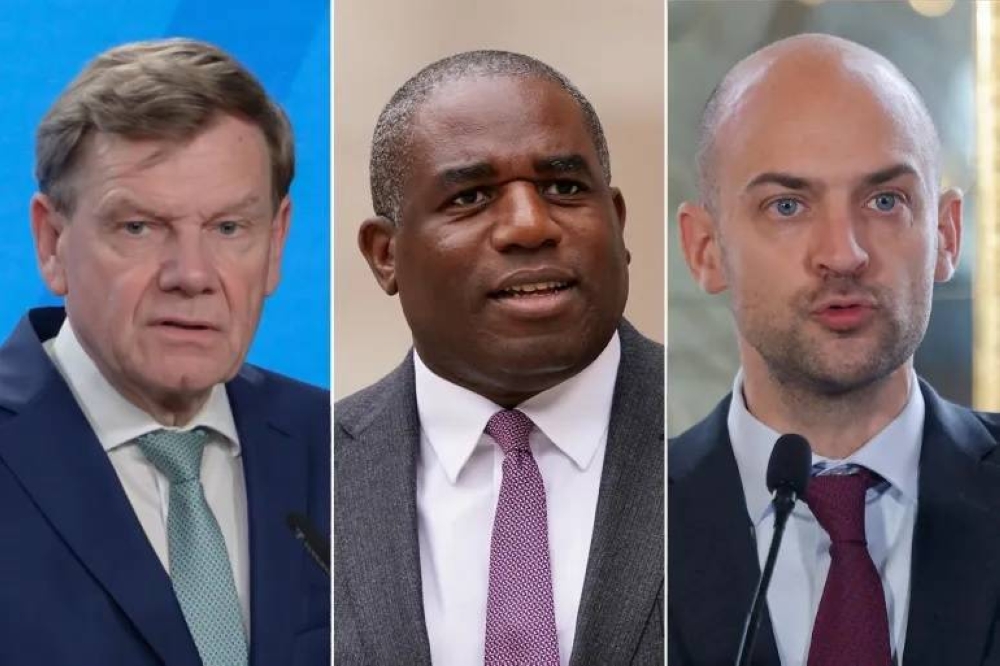
وزراء خارجية فرنسا وبريطانيا وألمانيا.


تابع قناة عكاظ على الواتساب
«عكاظ» (موسكو) OKAZ_ONLINE@
The Kremlin considers that Israel does not currently seem interested in any mediation efforts in its escalating conflict with Iran, emphasizing that what is happening is a "rapid and serious escalation" between the two sides.
Kremlin spokesman Dmitry Peskov, during a press conference in Moscow today (Tuesday), called on both parties to exercise restraint, noting that the level of ambiguity regarding what is happening has reached unprecedented levels.
He added that Russia's offer for mediation remains on the table if needed, but for now, we see that the Israeli side is not showing interest in seeking a peaceful settlement.
Russia announced that it is providing its citizens with the opportunity to evacuate from Iran via Azerbaijan.
U.S. President Donald Trump stated on Sunday that he is open to Russian President Vladimir Putin playing a mediating role in the conflict between Iran and Israel.
In an interview with ABC News, he said that Putin is ready; he called and we discussed the matter at length. However, things have escalated significantly in recent days, which may distance the option of "Russian mediation" between Israel and Iran.
Meanwhile, the foreign ministers of France, Britain, and Germany urged Iran to return as quickly as possible, and without preconditions, to the negotiating table regarding its nuclear program. A French diplomatic source reported today, Tuesday, that French Foreign Minister Jean-Yves Le Drian and his British counterpart David Lammy and German counterpart Johan Wadephol called on Iran to refrain from any actions that contradict Western interests, any regional expansion, and any nuclear escalation similar to halting cooperation with the International Atomic Energy Agency or withdrawing from the Treaty on the Non-Proliferation of Nuclear Weapons or exceeding allowed enrichment levels. The three ministers conveyed messages to Israel regarding the necessity of not targeting authorities, infrastructure, and civilian populations in its strikes on Iran, according to the French diplomatic source. The three foreign ministers held discussions last night, Monday, with European Union Foreign Minister Kaia Kalas.
It is worth noting that the three countries are parties, along with China and Russia, to the Iranian nuclear program agreement reached in 2015, from which Washington unilaterally withdrew during Trump's first term.
Kremlin spokesman Dmitry Peskov, during a press conference in Moscow today (Tuesday), called on both parties to exercise restraint, noting that the level of ambiguity regarding what is happening has reached unprecedented levels.
He added that Russia's offer for mediation remains on the table if needed, but for now, we see that the Israeli side is not showing interest in seeking a peaceful settlement.
Russia announced that it is providing its citizens with the opportunity to evacuate from Iran via Azerbaijan.
U.S. President Donald Trump stated on Sunday that he is open to Russian President Vladimir Putin playing a mediating role in the conflict between Iran and Israel.
In an interview with ABC News, he said that Putin is ready; he called and we discussed the matter at length. However, things have escalated significantly in recent days, which may distance the option of "Russian mediation" between Israel and Iran.
Meanwhile, the foreign ministers of France, Britain, and Germany urged Iran to return as quickly as possible, and without preconditions, to the negotiating table regarding its nuclear program. A French diplomatic source reported today, Tuesday, that French Foreign Minister Jean-Yves Le Drian and his British counterpart David Lammy and German counterpart Johan Wadephol called on Iran to refrain from any actions that contradict Western interests, any regional expansion, and any nuclear escalation similar to halting cooperation with the International Atomic Energy Agency or withdrawing from the Treaty on the Non-Proliferation of Nuclear Weapons or exceeding allowed enrichment levels. The three ministers conveyed messages to Israel regarding the necessity of not targeting authorities, infrastructure, and civilian populations in its strikes on Iran, according to the French diplomatic source. The three foreign ministers held discussions last night, Monday, with European Union Foreign Minister Kaia Kalas.
It is worth noting that the three countries are parties, along with China and Russia, to the Iranian nuclear program agreement reached in 2015, from which Washington unilaterally withdrew during Trump's first term.


