


وسط تحذيرات أقليمية من تداعيات الحرب على المنطقة والأمن والسلم الدوليين، أعاد الهجوم العسكري الإسرائيلي على مواقع البرنامج النووي والصاروخي الإيراني مضيق هرمز إلى واجهة المشهد العالمي.
ونقلت وكالة إيران للأنباء، عن عضو لجنة الأمن في البرلمان الإيراني، إسماعيل كوثري، أن طهران تدرس بجدية إغلاق مضيق هرمز الإستراتيجي، فيما توعدت وزارة الدفاع الإيرانية بـ«عقاب قاسٍ ورادع» رداً على الضربات.
وأكدت الوزارة أن إسرائيل ستدفع ثمناً باهظاً، ووفقاً لوكالة «مهر» الإيرانية، فإن التهديدات رفعت سقف المخاوف بشأن سلامة الملاحة عبر مضيق هرمز، الذي يمر عبره نحو ثلث تجارة النفط العالمية وأكثر من 20% من صادرات الغاز الطبيعي المسال.
ويربط ممر هرمز المائي الخليج العربي بالمحيط الهندي، وتحده إيران من الشمال والإمارات وسلطنة عمان من الجنوب، ويقارب طوله 100 ميل (161 كيلومتراً) وعرضه 21 ميلاً في أضيق نقطة، مع ممرات شحن في كل اتجاه بعرض ميلين فقط، أما عمقه الضحل فيجعل السفن عرضة للألغام، ويترك قربه من اليابسة (إيران على وجه الخصوص) السفن سهلة الاستهداف بهجمات من الصواريخ التي تطلق من على الساحل أو الاعتراض بزوارق الدورية والمروحيات.
وشهدت الساعات الماضية تبادلاً للهجمات بين إيران وإسرائيل مما رفع من نسبة المخاوف بإشعال مواجهات أوسع في الشرق الأوسط، مع خطر انخراط الولايات المتحدة في الصراع.
وكتبت كبيرة محللي الجغرافيا الاقتصادية في «بلومبرغ إيكونوميكس» جنيفر ويلش أمس أن المخاطر مرتفعة من تصاعد الأمور إلى صراع إقليمي واسع النطاق، موضحة أن الولايات المتحدة حذّرت إيران من استهداف مصالحها، لكن طهران هددت بضرب قواعد ومعدات عسكرية أمريكية في حال تعرضها لهجوم.
وأشارت إلى أن ذلك يزيد من احتمال انخراط الولايات المتحدة، مما يوسع رقعة النزاع ويقلل من فرص التهدئة السريعة لتفادي حرب إقليمية شاملة.
برلماني إيراني: طهران تدرس إغلاق مضيق هرمز
14 يونيو 2025 - 17:27
|
آخر تحديث 14 يونيو 2025 - 17:27
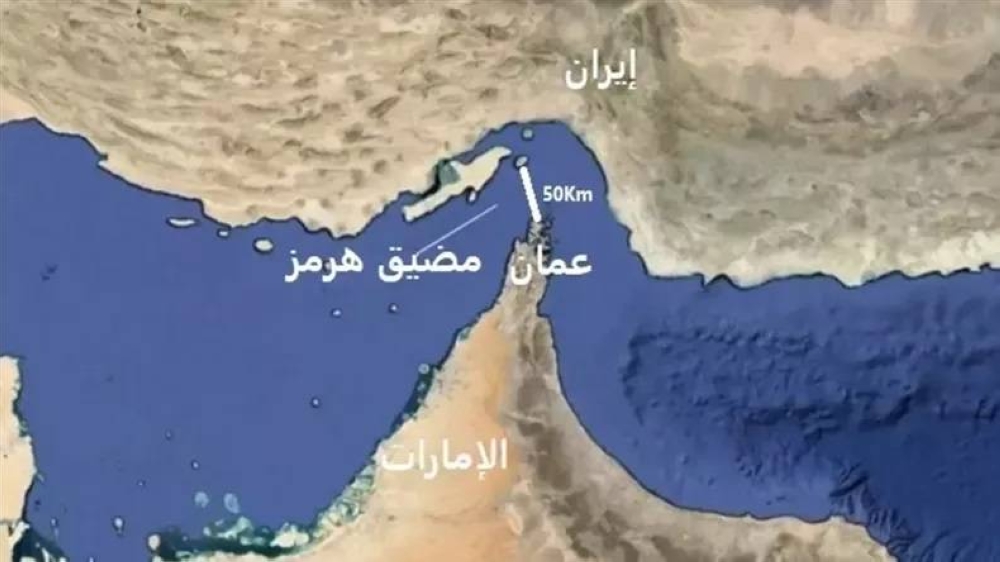
مضيق هرمز


تابع قناة عكاظ على الواتساب
«عكاظ»(جدة) okaz_online@
Amid regional warnings about the repercussions of the war on the region and international peace and security, the Israeli military attack on Iranian nuclear and missile program sites has brought the Strait of Hormuz back to the forefront of the global scene.
The Iranian news agency reported that a member of the Iranian Parliament's Security Committee, Ismail Kothari, stated that Tehran is seriously considering closing the strategic Strait of Hormuz, while the Iranian Ministry of Defense vowed to deliver a "harsh and deterrent punishment" in response to the strikes.
The ministry confirmed that Israel will pay a heavy price, and according to the Iranian "Mehr" news agency, the threats have raised concerns about the safety of navigation through the Strait of Hormuz, through which about one-third of global oil trade and more than 20% of liquefied natural gas exports pass.
The waterway of Hormuz connects the Arabian Gulf to the Indian Ocean, bordered by Iran to the north and the UAE and Oman to the south. It is approximately 100 miles (161 kilometers) long and 21 miles wide at its narrowest point, with shipping lanes in each direction only two miles wide. Its shallow depth makes ships vulnerable to mines, and its proximity to land (particularly Iran) makes vessels easy targets for missile attacks launched from the coast or interception by patrol boats and helicopters.
In recent hours, there has been an exchange of attacks between Iran and Israel, raising fears of igniting broader confrontations in the Middle East, with the risk of U.S. involvement in the conflict.
Jennifer Welch, the chief analyst of economic geography at Bloomberg Economics, wrote yesterday that the risks of escalating matters into a wide-ranging regional conflict are high, noting that the United States has warned Iran against targeting its interests, but Tehran has threatened to strike U.S. military bases and equipment if attacked.
She pointed out that this increases the likelihood of U.S. involvement, which expands the scope of the conflict and reduces the chances of a quick de-escalation to avoid a comprehensive regional war.
The Iranian news agency reported that a member of the Iranian Parliament's Security Committee, Ismail Kothari, stated that Tehran is seriously considering closing the strategic Strait of Hormuz, while the Iranian Ministry of Defense vowed to deliver a "harsh and deterrent punishment" in response to the strikes.
The ministry confirmed that Israel will pay a heavy price, and according to the Iranian "Mehr" news agency, the threats have raised concerns about the safety of navigation through the Strait of Hormuz, through which about one-third of global oil trade and more than 20% of liquefied natural gas exports pass.
The waterway of Hormuz connects the Arabian Gulf to the Indian Ocean, bordered by Iran to the north and the UAE and Oman to the south. It is approximately 100 miles (161 kilometers) long and 21 miles wide at its narrowest point, with shipping lanes in each direction only two miles wide. Its shallow depth makes ships vulnerable to mines, and its proximity to land (particularly Iran) makes vessels easy targets for missile attacks launched from the coast or interception by patrol boats and helicopters.
In recent hours, there has been an exchange of attacks between Iran and Israel, raising fears of igniting broader confrontations in the Middle East, with the risk of U.S. involvement in the conflict.
Jennifer Welch, the chief analyst of economic geography at Bloomberg Economics, wrote yesterday that the risks of escalating matters into a wide-ranging regional conflict are high, noting that the United States has warned Iran against targeting its interests, but Tehran has threatened to strike U.S. military bases and equipment if attacked.
She pointed out that this increases the likelihood of U.S. involvement, which expands the scope of the conflict and reduces the chances of a quick de-escalation to avoid a comprehensive regional war.


