شنت إسرائيل، فجر أمس (الجمعة)، هجمات جوية واسعة النطاق بمشاركة أكثر من 200 طائرة مقاتلة، استهدفت حوالى 100 موقع في إيران، بما في ذلك موقع نطنز النووي الرئيسي، ومواقع لتطوير وإنتاج الصواريخ الباليستية.
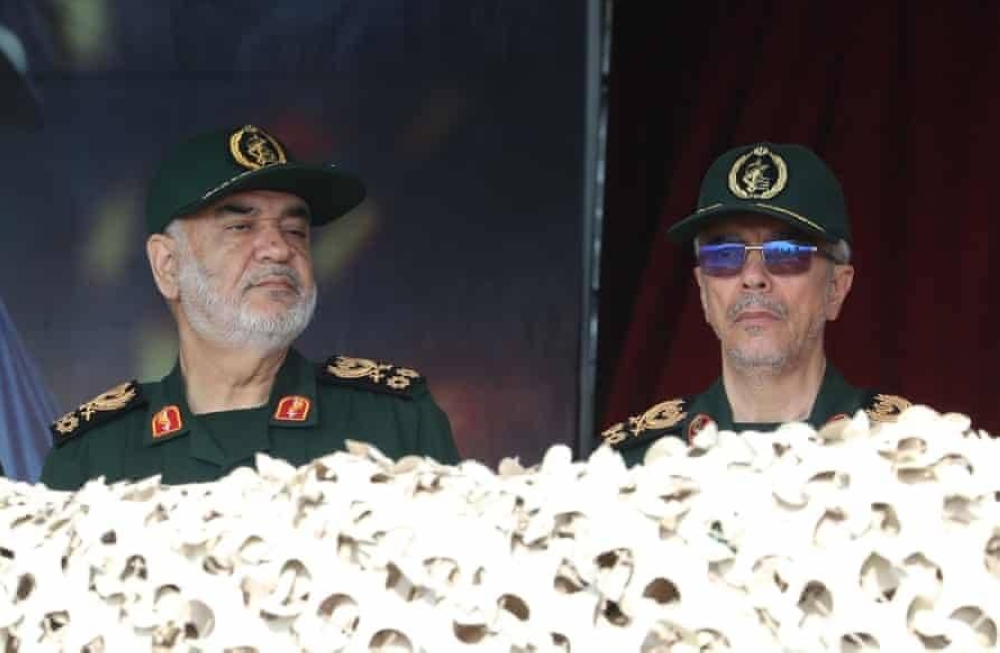
وأسفرت العملية عن مقتل ستة علماء نوويين إيرانيين بارزين، إلى جانب قادة عسكريين كبار، من بينهم قائد الحرس الثوري الإيراني اللواء حسين سلامي، ورئيس أركان القوات المسلحة الإيرانية اللواء محمد باقري.
واستهدفت الضربات مواقع في طهران، شيراز، تبريز، وأصفهان، وكرمانشاه، وشملت منشآت عسكرية ونووية، بالإضافة إلى منازل خاصة لبعض القادة.
وأكدت الوكالة الدولية للطاقة الذرية وقوع هجمات على موقع نطنز، الواقع على بعد 135 ميلاً جنوب شرق طهران، والذي يُعد أهم منشأة إيرانية لتخصيب اليورانيوم.
وبدأت الضربات حوالى الساعة 4 صباحاً بالتوقيت المحلي (01:30 بتوقيت لندن).
وأظهرت صور الأقمار الصناعية أضراراً كبيرة في محطة الكهرباء الفرعية التي تزود نطنز بالطاقة، وفي مصنع التخصيب التجريبي فوق الأرض الذي يضم مئات أجهزة الطرد المركزي.
ومع ذلك، لم يتضح مدى الأضرار التي لحقت بمصنع التخصيب الرئيسي تحت الأرض، الذي يحتوي على حوالى 15,000 جهاز طرد مركزي.
وأكدت الوكالة الدولية للطاقة الذرية عدم وجود تلوث نووي جراء الهجمات، مشيرة إلى أن مواقع نووية أخرى مثل فوردو، أصفهان، وبوشهر لم تُصب.
كما استهدفت الضربات موقع بيد كانه، الذي يضم عدة منشآت لتطوير وإنتاج الصواريخ.
وأفادت إيران بمقتل عدد من العلماء والقادة العسكريين في هجمات استهدفت منازلهم، مما يشير إلى أن العملية تجاوزت الهدف المعلن لمنع إيران من امتلاك سلاح نووي، لتشمل محاولة إضعاف النظام الإيراني.
وأعرب رئيس الوزراء الإسرائيلي بنيامين نتنياهو عن أمله في أن تساهم الضربات في إسقاط النظام الإيراني.
ومن بين القتلى، إلى جانب سلامي وباقري، علي شمخاني، مستشار مقرب من المرشد الأعلى علي خامنئي، وقائد القوات الجوية في الحرس الثوري وعدد من مساعديه.
من هما حسين سلامي ومحمد باقري؟
كان اللواء حسين سلامي، قائد الحرس الثوري، شخصية بارزة في الأجهزة الأمنية الإيرانية، بدأ مسيرته في الحرس عام 1980 خلال الحرب العراقية - الإيرانية، وتولى قيادة القوة المؤلفة من 125,000 عنصر عام 2019.
وخضع لعقوبات أممية وأمريكية بسبب دوره في البرامج النووية والعسكرية الإيرانية.
وكان قد حذر أعداء إيران في يناير الماضي من فتح أبواب الجحيم في حال ارتكاب أي خطأ.
أما اللواء محمد باقري، في الستينات من عمره، فقد شغل منصب رئيس أركان القوات المسلحة منذ 2016، وهو المنصب العسكري الأعلى في إيران بعد المرشد الأعلى.
شارك في الحرب العراقية - الإيرانية، وكان له خلفية في الاستخبارات العسكرية.
وتشير تقارير إلى أنه كان من الطلاب الثوريين الذين اقتحموا السفارة الأمريكية عام 1979.
كما قُتل نائب قائد القوات المسلحة غلام علي رشيد في الهجمات.
من هم العلماء الذين قُتلوا؟
استهدفت إسرائيل ستة علماء نوويين إيرانيين بارزين، من بينهم محمد مهدي طهرانجي، رئيس جامعة آزاد الإسلامية وفيزيائي نظري، وفريدون عباسي، الرئيس السابق لمنظمة الطاقة الذرية الإيرانية.
كما شملت القائمة عبد الحميد مينوشهر، أحمد رضا زلفاغري، أمير حسين فقيهي، ومطلب زاده، وفقاً لوكالة تسنيم الإيرانية.
Israel launched extensive airstrikes at dawn yesterday (Friday), involving more than 200 fighter jets, targeting around 100 sites in Iran, including the main Natanz nuclear site and facilities for the development and production of ballistic missiles.
The operation resulted in the deaths of six prominent Iranian nuclear scientists, along with senior military leaders, including the commander of the Iranian Revolutionary Guard, Major General Hossein Salami, and the Chief of Staff of the Iranian Armed Forces, Major General Mohammad Bagheri.
The strikes targeted sites in Tehran, Shiraz, Tabriz, Isfahan, and Kermanshah, including military and nuclear facilities, as well as private homes of some leaders.
The International Atomic Energy Agency confirmed the attacks on the Natanz site, located 135 miles southeast of Tehran, which is considered Iran's most important uranium enrichment facility.
The strikes began around 4 AM local time (01:30 London time).
Satellite images showed significant damage to the substation that powers Natanz and to the above-ground experimental enrichment plant housing hundreds of centrifuges.
However, it remains unclear the extent of the damage to the main underground enrichment facility, which contains around 15,000 centrifuges.
The International Atomic Energy Agency confirmed that there was no nuclear contamination resulting from the attacks, noting that other nuclear sites such as Fordow, Isfahan, and Bushehr were not hit.
The strikes also targeted the Bid Kaneh site, which houses several facilities for the development and production of missiles.
Iran reported the deaths of several scientists and military leaders in attacks targeting their homes, indicating that the operation exceeded the stated goal of preventing Iran from acquiring nuclear weapons to include an attempt to weaken the Iranian regime.
Israeli Prime Minister Benjamin Netanyahu expressed hope that the strikes would contribute to the downfall of the Iranian regime.
Among the dead, in addition to Salami and Bagheri, were Ali Shamkhani, a close advisor to Supreme Leader Ali Khamenei, the commander of the Air Force of the Revolutionary Guard, and several of his aides.
Who are Hossein Salami and Mohammad Bagheri?
Major General Hossein Salami, commander of the Revolutionary Guard, was a prominent figure in Iranian security agencies, beginning his career in the Guard in 1980 during the Iran-Iraq War, and took command of the force consisting of 125,000 personnel in 2019.
He has been subjected to UN and US sanctions due to his role in Iran's nuclear and military programs.
He had warned Iran's enemies last January of opening the gates of hell in case of any mistake.
Major General Mohammad Bagheri, in his sixties, has served as the Chief of Staff of the Armed Forces since 2016, the highest military position in Iran after the Supreme Leader.
He participated in the Iran-Iraq War and has a background in military intelligence.
Reports indicate that he was among the revolutionary students who stormed the US embassy in 1979.
The Deputy Commander of the Armed Forces, Gholam Ali Rashid, was also killed in the attacks.
Who are the scientists who were killed?
Israel targeted six prominent Iranian nuclear scientists, including Mohammad Mehdi Tehranji, president of the Islamic Azad University and a theoretical physicist, and Fereydoun Abbasi, the former head of the Iranian Atomic Energy Organization.
The list also included Abdolhamid Minouchahr, Ahmad Reza Zolfaghari, Amir Hossein Faqihi, and Matlab Zadeh, according to the Iranian Tasnim news agency.