


اتهم المبعوث الأممي الخاص إلى سورية غير بيدرسون إسرائيل بانتهاك اتفاقية فض الاشتباك لعام 1974، مؤكداً أنها ما زالت تعتدي باستمرار على الأراضي السورية، وشدد بيدرسون على أنه لا يوجد أي مبرر لهذه الاعتداءات التي يجب أن تتوقف فوراً.
وتحدث خلال مقابلة مع قناة «الإخبارية» السورية اليوم (السبت) عن وجود إجماع دولي على ضرورة دعم سورية وإنجاح مهمة الحكومة الجديدة، لافتاً إلى أن تحسناً في الوضع الاقتصادي سيظهر تدريجياً بعد رفع العقوبات الأمريكية والأوروبية.
وأفاد بيدرسون بأنه بعد رفع العقوبات هناك الكثير من المستثمرين من الدول العربية ومن تركيا وأوروبا وأمريكا يرغبون باﻻستثمار في سورية، لافتاً إلى أن التقدم في الملف الأمني ضروري لتعزيز التنمية الاقتصادية.
وأكد أن الاحتياجات الإنسانية في سورية هائلة خصوصاً مع وجود أكثر من 17 مليون شخص بحاجة لمساعدة، وقال إن السوريين متفقون على أنهم يجب أن يساهموا جميعاً في بناء وطنهم من أجل فجر جديد لسورية.
ووصف بيدرسون التعاون بين الأمم المتحدة والحكومة السورية بأنه «جيد جداً»، مؤكداً أن الحكومة تقوم بواجبها لتعزيز الأمن والاستقرار في كل أنحاء سورية، وهذا الأمر ضروري لتعزيز التنمية الاقتصادية بعد 14 عاماً من الحرب والدمار.
من جانبه، اعتبر قائد قوات سورية الديمقراطية مظلوم عبدي أن التحول السياسي الكامل يحتاج إلى ضمانات دستورية تحفظ حقوق المكونات، وعلى رأسها الأكراد، لافتاً إلى أن «قسد» مستعدة للانخراط في العملية السياسية متى ما تحقق الاستقرار وتم تثبيت الاتفاقات.
ورداً على سؤال حول متى يخلع البزة العسكرية، أوضح خلال مقابلة تلفزيونية أمس (الجمعة) أن التهديدات الأمنية لا تزال قائمة، وأن قوات «قسد» منتشرة على خطوط التماس مع مناطق يراها خطراً على أمن المنطقة.
وحول الاتفاق الذي وقّعه مع الرئيس السوري أحمد الشرع، قال عبدي إن الاتفاق لا يزال قائماً ويحظى بالتزام الطرفين، لافتاً إلى أن لجاناً مشتركة شُكّلت بين الجانبين وستبدأ قريباً بعقد اجتماعات لبحث آليات تنفيذ الاتفاق عملياً.
وفي ما يتعلق بمسار التفاوض، تحدث عن عقبات عملية، أبرزها تثبيت وقف إطلاق النار وضمان الاستقرار الأمني، مؤكداً أن بعض التقدم تحقق في هذا المجال، إلا أن العمل لا يزال جارياً لتأمين بيئة سياسية وعسكرية تسمح بتطبيق الحلول المتفق عليها.
أكد أن الأمم المتحدة تدعم مسار العملية السياسية
بيدرسون: إسرائيل تنتهك اتفاقية فض الاشتباك
31 مايو 2025 - 13:49
|
آخر تحديث 31 مايو 2025 - 13:49
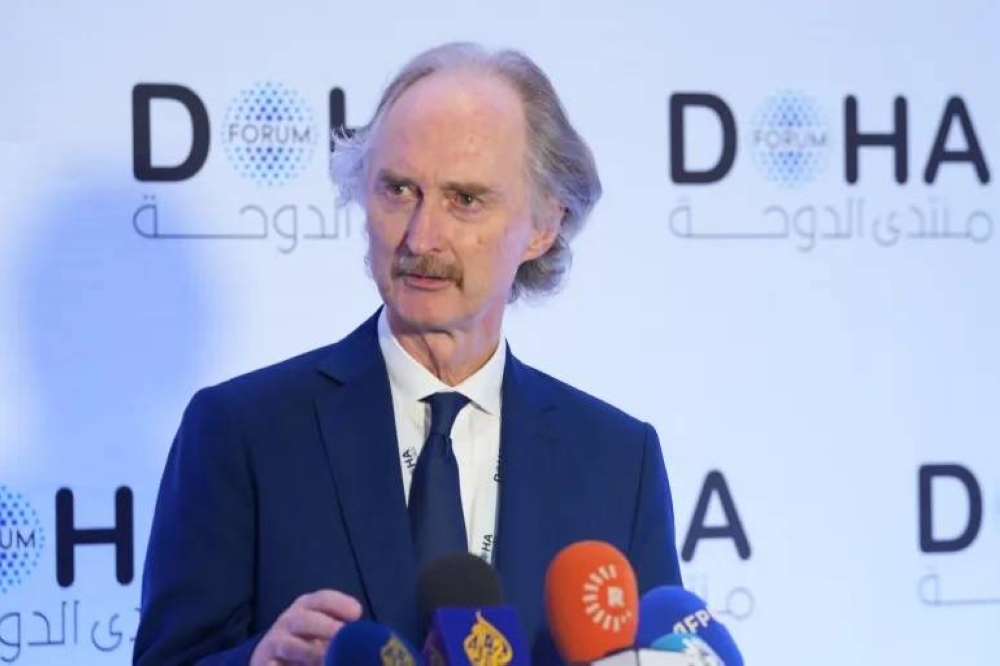
المبعوث الأممي


تابع قناة عكاظ على الواتساب
«عكاظ» (دمشق) okaz_online@
The UN Special Envoy for Syria, Geir Pedersen, accused Israel of violating the 1974 disengagement agreement, emphasizing that it continues to repeatedly aggress against Syrian territory. Pedersen stressed that there is no justification for these aggressions, which must stop immediately.
In an interview with the Syrian "Al-Ikhbariya" channel today (Saturday), he spoke about the international consensus on the necessity of supporting Syria and ensuring the success of the new government’s mission, noting that an improvement in the economic situation will gradually appear after the lifting of American and European sanctions.
Pedersen reported that after the lifting of sanctions, there are many investors from Arab countries, Turkey, Europe, and America who wish to invest in Syria, pointing out that progress in the security file is essential to enhance economic development.
He confirmed that the humanitarian needs in Syria are immense, especially with more than 17 million people in need of assistance, stating that Syrians agree that they must all contribute to building their homeland for a new dawn for Syria.
Pedersen described the cooperation between the United Nations and the Syrian government as "very good," affirming that the government is fulfilling its duty to enhance security and stability throughout Syria, which is necessary to boost economic development after 14 years of war and destruction.
For his part, the commander of the Syrian Democratic Forces, Mazloum Abdi, considered that a complete political transformation requires constitutional guarantees that preserve the rights of the components, primarily the Kurds, noting that the SDF is ready to engage in the political process whenever stability is achieved and agreements are solidified.
In response to a question about when he would take off the military uniform, he clarified during a television interview yesterday (Friday) that security threats still exist, and that SDF forces are deployed along the contact lines with areas they see as a danger to the region's security.
Regarding the agreement he signed with Syrian President Ahmad al-Shara, Abdi said that the agreement is still in place and is being adhered to by both parties, pointing out that joint committees have been formed between the two sides and will soon begin holding meetings to discuss practical mechanisms for implementing the agreement.
Concerning the negotiation process, he spoke about practical obstacles, the most notable being the stabilization of the ceasefire and ensuring security stability, confirming that some progress has been made in this area, but work is still ongoing to secure a political and military environment that allows for the implementation of the agreed-upon solutions.
In an interview with the Syrian "Al-Ikhbariya" channel today (Saturday), he spoke about the international consensus on the necessity of supporting Syria and ensuring the success of the new government’s mission, noting that an improvement in the economic situation will gradually appear after the lifting of American and European sanctions.
Pedersen reported that after the lifting of sanctions, there are many investors from Arab countries, Turkey, Europe, and America who wish to invest in Syria, pointing out that progress in the security file is essential to enhance economic development.
He confirmed that the humanitarian needs in Syria are immense, especially with more than 17 million people in need of assistance, stating that Syrians agree that they must all contribute to building their homeland for a new dawn for Syria.
Pedersen described the cooperation between the United Nations and the Syrian government as "very good," affirming that the government is fulfilling its duty to enhance security and stability throughout Syria, which is necessary to boost economic development after 14 years of war and destruction.
For his part, the commander of the Syrian Democratic Forces, Mazloum Abdi, considered that a complete political transformation requires constitutional guarantees that preserve the rights of the components, primarily the Kurds, noting that the SDF is ready to engage in the political process whenever stability is achieved and agreements are solidified.
In response to a question about when he would take off the military uniform, he clarified during a television interview yesterday (Friday) that security threats still exist, and that SDF forces are deployed along the contact lines with areas they see as a danger to the region's security.
Regarding the agreement he signed with Syrian President Ahmad al-Shara, Abdi said that the agreement is still in place and is being adhered to by both parties, pointing out that joint committees have been formed between the two sides and will soon begin holding meetings to discuss practical mechanisms for implementing the agreement.
Concerning the negotiation process, he spoke about practical obstacles, the most notable being the stabilization of the ceasefire and ensuring security stability, confirming that some progress has been made in this area, but work is still ongoing to secure a political and military environment that allows for the implementation of the agreed-upon solutions.


