


أصدرت طالبان أوامر جديدة تقضي بمنع الألعاب الإلكترونية، إلى جانب لعبة كرة قدم الطاولة، وذلك في إطار تصعيدها لقيودها على الأنشطة الترفيهية في أفغانستان.
وزعمت الحركة أن هذه الألعاب «مخالفة للشريعة الإسلامية»، وتُشغل الشباب عن دينهم، في وقت تتسع فيه دائرة القيود المجتمعية، لا سيما على فئة الشباب. وبحسب مصادر محلية فإن طالبان أغلقت عشرات من مراكز الألعاب الإلكترونية والترفيهية في ولايات هرات وبلخ ودايكُندي، إضافة إلى عشرات المناطق الأخرى.
وأشارت طالبان إلى أن هذه الألعاب تُلهي الشباب عن واجباتهم الدينية، كما شبه مسؤولي الحركة مجسمات اللاعبين في كرة الطاولة بـ«الأصنام».
وأشار المسؤولون في طالبان إلى أن اللعبة غير جائزة شرعاً كونها تحتوي على مجسمات مثبتين على أعمدة دوّارة.
ولقي قرار طالبان استهجان عدد من أصحاب المراكز الذين عبروا عن استيائهم من القرار، مؤكدين أنه ألحق بهم خسائر كبيرة.
وذكر أصحاب المراكز الترفيهية أن وزارة الأمر بالمعروف والنهي عن المنكر التابعة لطالبان لم تفكر فيما سيتعرضون له من خسائر، مطالبين بإلغاء قرار المنع.
وكانت طالبان منعت قبل أيام لعبة الشطرنج بزعم أنها تُستخدم في القمار، كما منعت لعبة البلياردو معتبرة إياها مضيعة للوقت، وأغلقت المقاهي التي تقدم الشيشة بحجة أنها تفسد أخلاق الشباب وتشجع على الاختلاط.
وشمل التضييق الرياضات القتالية، ومنعت وزارة الأمر بالمعروف والنهي عن المنكر، رياضة الفنون القتالية المختلطة، ووصفتها بأنها عنيفة بشكل مفرط، وأوقفت جميع البطولات المرتبطة بها.
تأتي هذه القيود الصارمة في وقت يعاني فيه الشباب الأفغاني من ارتفاع معدلات البطالة وتراجع فرص العمل، وسط غياب شبه تام لأي مساحات للترفيه أو التطور الذاتي.
في قيود جديدة على الأنشطة الترفيهية.. طالبان تمنع الألعاب الإلكترونية
29 مايو 2025 - 16:28
|
آخر تحديث 29 مايو 2025 - 17:51
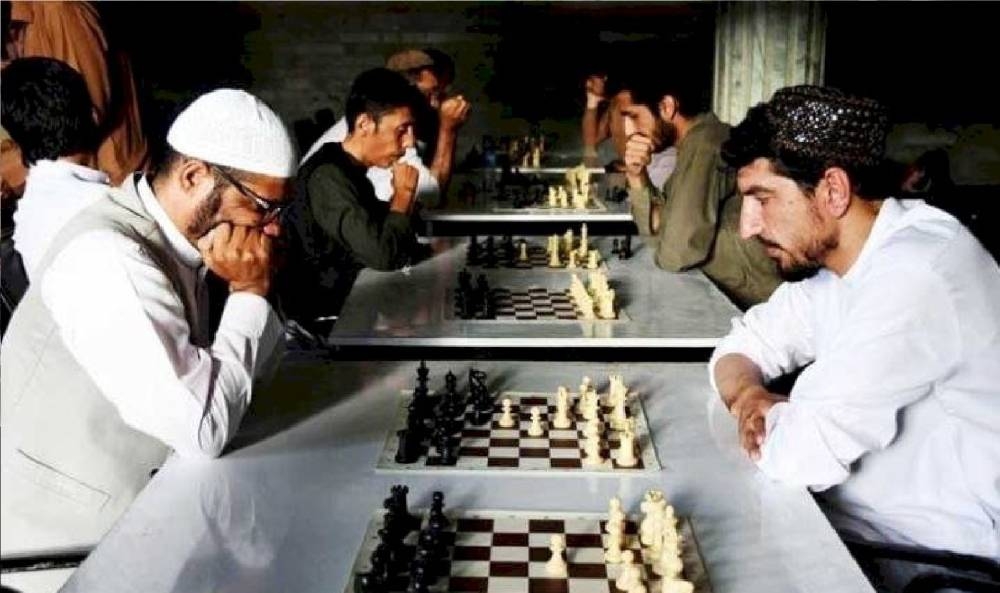
الألعاب في افغانستان


تابع قناة عكاظ على الواتساب
«عكاظ» (جدة) okaz_online@
The Taliban issued new orders banning electronic games, along with table football, as part of their escalation of restrictions on recreational activities in Afghanistan.
The movement claimed that these games are "against Islamic law" and distract the youth from their religion, at a time when the circle of societal restrictions is widening, especially for the youth. According to local sources, the Taliban has closed dozens of electronic and recreational gaming centers in the provinces of Herat, Balkh, and Daikundi, in addition to dozens of other areas.
The Taliban indicated that these games distract the youth from their religious duties, and the movement's officials likened the player figurines in table football to "idols."
Taliban officials pointed out that the game is not permissible according to Sharia because it contains figurines mounted on rotating columns.
The Taliban's decision was met with disapproval from several center owners who expressed their dissatisfaction with the decision, confirming that it has caused them significant losses.
The owners of recreational centers mentioned that the Ministry of Promotion of Virtue and Prevention of Vice, affiliated with the Taliban, did not consider the losses they would face, demanding the cancellation of the ban.
Days ago, the Taliban banned chess, claiming it is used for gambling, and also prohibited billiards, considering it a waste of time. They closed cafes that offer shisha on the grounds that it corrupts the morals of the youth and encourages mingling.
The restrictions also extended to combat sports, with the Ministry of Promotion of Virtue and Prevention of Vice banning mixed martial arts, describing it as excessively violent, and halting all related tournaments.
These strict restrictions come at a time when Afghan youth are suffering from high unemployment rates and declining job opportunities, amid a near-total absence of any spaces for recreation or self-development.
The movement claimed that these games are "against Islamic law" and distract the youth from their religion, at a time when the circle of societal restrictions is widening, especially for the youth. According to local sources, the Taliban has closed dozens of electronic and recreational gaming centers in the provinces of Herat, Balkh, and Daikundi, in addition to dozens of other areas.
The Taliban indicated that these games distract the youth from their religious duties, and the movement's officials likened the player figurines in table football to "idols."
Taliban officials pointed out that the game is not permissible according to Sharia because it contains figurines mounted on rotating columns.
The Taliban's decision was met with disapproval from several center owners who expressed their dissatisfaction with the decision, confirming that it has caused them significant losses.
The owners of recreational centers mentioned that the Ministry of Promotion of Virtue and Prevention of Vice, affiliated with the Taliban, did not consider the losses they would face, demanding the cancellation of the ban.
Days ago, the Taliban banned chess, claiming it is used for gambling, and also prohibited billiards, considering it a waste of time. They closed cafes that offer shisha on the grounds that it corrupts the morals of the youth and encourages mingling.
The restrictions also extended to combat sports, with the Ministry of Promotion of Virtue and Prevention of Vice banning mixed martial arts, describing it as excessively violent, and halting all related tournaments.
These strict restrictions come at a time when Afghan youth are suffering from high unemployment rates and declining job opportunities, amid a near-total absence of any spaces for recreation or self-development.


