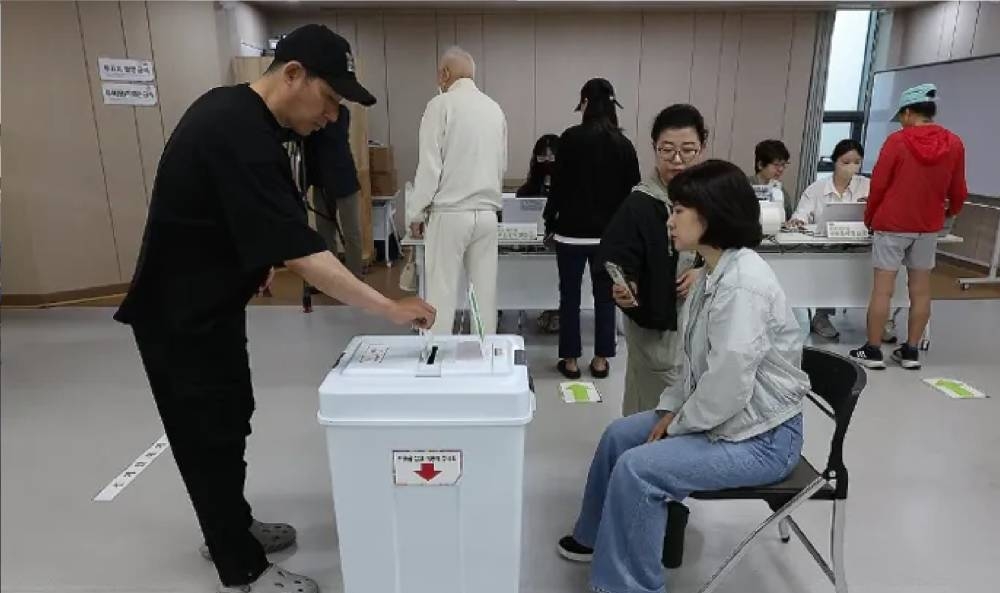
انطلقت اليوم (الخميس) عمليات التصويت المبكر في كوريا الجنوبية لاختيار رئيس جديد في انتخابات جاءت إثر قرار الرئيس السابق يون سوك يون تعليق الحكم المدني العام الماضي، ومن المتوقع أن تستمر اليوم وغداً عملية التصويت المبكر على أن ينطلق الاقتراع الرسمي في الثالث من يونيو الجاري.
وترجح استطلاعات الرأي فوز الليبرالي لي جاي ميونغ، وأظهر استطلاع لمؤسسة غالوب أن 49% من الأشخاص يعتبرونه المرشح الأفضل لوضع حد للاضطرابات السياسية المستمرة منذ أشهر التي نجمت عن إعلان يون الأحكام العرفية ما أدى إلى عزله.منذ عزل يون توالى على قيادة الدولة الآسيوية رؤساء مؤقتون بصلاحيات محدودة، مما فاقم من أزمتها الاقتصادية خصوصاً أن البلاد تعتمد على التصدير.يذكر أن الكوريين الجنوبيين شاركوا بأعداد متزايدة في التصويت المبكر، وفي الانتخابات الرئاسية لعام 2022 أدلى 37% منهم بأصواتهم قبل يوم الاقتراع، فيما بلغت نسبة المشاركة 8.7%، وهي الأعلى تاريخياً لهذه المرحلة، كما سُجلت مشاركة مرتفعة بين الناخبين المقيمين في الخارج.وقال المرشح لي جاي ميونغ خلال إدلائه بصوته في سيول: «هناك مقولة مفادها أن الصوت الانتخابي أقوى من الرصاصة»، مضيفاً: «التمرد لا يمكن التغلب عليه حقاً إلا من خلال مشاركة الشعب في الاقتراع».وفاجأ قرار كيم مون سو بالتصويت المبكر الكثيرين في أوساط اليمين حيث تكثر نظريات المؤامرة بشأن عمليات تزوير، لاسيما من خلال التصويت المبكر، إلا أن الرجل البالغ 73 عاماً طمأن مؤيديه قائلا: «لا داعي للقلق، إذا ترددتم في التصويت المبكر وفوتّم الانتخابات الرئيسية، فستكون خسارة فادحة».وبرز اسم كيم إلى الواجهة باعتباره العضو الوحيد في الحكومة الذي رفض الانحناء والاعتذار بسبب الفشل في منع إعلان الأحكام العرفية، لكن منافسه لي جاي ميونغ لعب دورا بارزا في إفشال محاولة فرض الأحكام العرفية، وأجرى بثا مباشرا عندما توجه إلى البرلمان وتسلق السياج ليشارك مع نواب آخرين في التصويت برفض المرسوم وتعهد منذ ذلك الحين بتقديم عناصر التمرد إلى العدالة في حال انتُخب رئيسا.لكن من سيخلف يون سيواجه تحديات ضخمة من تباطؤ اقتصادي وارتفاع تكلفة المعيشة، إلى معدلات ولادات هي من الأدنى في العالم.
Early voting operations began today (Thursday) in South Korea to select a new president in elections that came after former president Yoon Suk-yeol's decision to suspend civilian rule last year. The early voting process is expected to continue today and tomorrow, with the official polling set to start on June 3rd.
Polls suggest a victory for the liberal Lee Jae-myung, with a Gallup survey showing that 49% of respondents consider him the best candidate to put an end to the ongoing political turmoil that has persisted for months due to Yoon's declaration of martial law, which led to his ousting. Since Yoon's removal, temporary leaders with limited powers have taken charge of the Asian nation, exacerbating its economic crisis, especially as the country relies on exports. It is noteworthy that South Koreans have increasingly participated in early voting; in the 2022 presidential elections, 37% of them cast their votes before the polling day, while the participation rate reached 8.7%, the highest historically for this stage, with high turnout also recorded among overseas voters. Candidate Lee Jae-myung stated while casting his vote in Seoul: "There is a saying that the electoral voice is stronger than a bullet," adding, "Rebellion can truly only be overcome through the people's participation in voting." Kim Moon-soo's decision for early voting surprised many in right-wing circles, where conspiracy theories about fraud, particularly through early voting, are prevalent. However, the 73-year-old reassured his supporters, saying: "There is no need to worry; if you hesitate to vote early and miss the main elections, it will be a huge loss." Kim has emerged as the only government member who refused to bow and apologize for failing to prevent the declaration of martial law, but his rival Lee Jae-myung played a prominent role in thwarting the attempt to impose martial law, conducting a live broadcast when he went to parliament and climbed the fence to join other lawmakers in voting against the decree, pledging since then to bring the elements of rebellion to justice if elected president. However, whoever succeeds Yoon will face massive challenges, from economic slowdown and rising living costs to some of the lowest birth rates in the world.