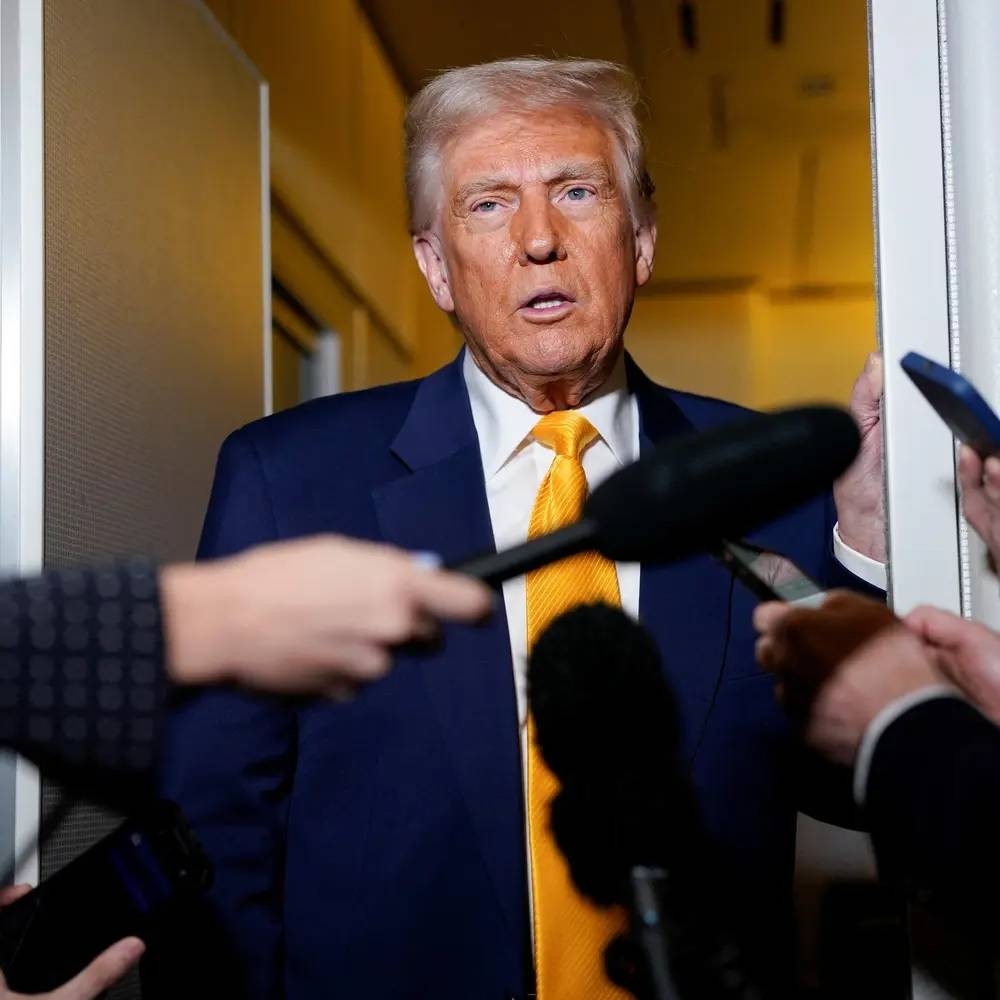
أعلن الرئيس الأمريكي دونالد ترمب، (الأحد)، أن المفاوضين الأمريكيين أجروا محادثات «جيدة للغاية» مع وفد إيراني في مطلع الأسبوع، في الوقت الذي يسعى إلى إبرام اتفاق لمنع طهران من تطوير سلاح نووي.
وأضاف ترمب للصحفيين في مطار موريستاون بولاية نيوجيرسي بينما كان يستعد للعودة إلى واشنطن بعد عطلة نهاية الأسبوع في نادي الجولف في بيدمنستر «أعتقد أنه يمكن أن يكون لدينا بعض الأخبار الجيدة على الساحة الإيرانية».
وكان وزير خارجية سلطنة عمان بدر البوسعيدي قد أعلن انتهاء الجولة الخامسة من المباحثات حول البرنامج النووي بين الوفدين الإيراني والأمريكي التي عقدت في روما، لافتاً إلى إحراز «بعض التقدم».
وقال البوسعيدي عبر منصة «إكس»: «انتهت الجمعة في روما الجولة الخامسة من المحادثات بين إيران والولايات المتحدة مع تحقيق بعض التقدم من دون أن يكون حاسماً»، مبدياً أمله أن يتم توضيح «القضايا العالقة» في الأيام القادمة.
من جانبه، صرح وزير الخارجية الإيراني عباس عراقجي للتلفزيون الرسمي بأن «المفاوضات معقدة جداً إلى درجة لا يمكن إنجازها في اجتماعين أو ثلاثة»، واصفاً التواصل مع واشنطن بأنه «مهني جداً».
وتحدثت الولايات المتحدة عن مباحثات «بناءة» مع إيران أتاحت إحراز «تقدم إضافي». وقال مسؤول أمريكي كبير لم يشأ كشف هويته إن «المباحثات لا تزال بناءة، لقد أحرزنا تقدماً إضافياً، ولكن يبقى عمل ينبغي القيام به»، مضيفاً أن «الجانبين توافقا على أن يلتقيا مجدداً في موعد وشيك».
وبدأت طهران وواشنطن - العدوتان اللدودتان منذ الثورة في إيران التي أطاحت بحكم الشاه الموالي للغرب في 1979 - محادثات في 12 أبريل الماضي بشأن البرنامج النووي الإيراني.
ويُعد هذا التواصل الأرفع مستوى بين البلدين منذ الاتفاق الدولي المبرم مع طهران في 2015 حول برنامجها النووي الذي انسحبت منه الولايات المتحدة في الولاية الأولى للرئيس دونالد ترمب (2017-2021) في 2018.
عقب ذلك، أعاد ترمب فرض عقوبات على إيران في إطار سياسة «الضغوط القصوى»، وهو يسعى إلى التفاوض على اتفاق جديد مع طهران التي تأمل برفع عقوبات مفروضة عليها تخنق اقتصادها.
لكن مسألة تخصيب اليورانيوم ستكون النقطة الخلافية الرئيسية في المحادثات.
وفي حين اعتبر الموفد الأمريكي إلى الشرق الأوسط ستيف ويتكوف الذي يمثّل واشنطن في المحادثات أن الولايات المتحدة «لا يمكنها السماح حتى بنسبة 1% من قدرة التخصيب»، ترفض طهران هذا الشرط مشددّة على أنه يخالف الاتفاق الدولي المبرم معها، وتتمسّك بحقّها ببرنامج نووي لأغراض مدنية.
U.S. President Donald Trump announced on Sunday that American negotiators had "very good" talks with an Iranian delegation over the weekend, as he seeks to reach an agreement to prevent Tehran from developing a nuclear weapon.
Trump added to reporters at Morristown Airport in New Jersey while preparing to return to Washington after a weekend at his golf club in Bedminster, "I think we could have some good news on the Iranian front."
Oman's Foreign Minister Badr al-Busaidi announced the conclusion of the fifth round of talks regarding the nuclear program between the Iranian and American delegations held in Rome, noting that "some progress" had been made.
Al-Busaidi stated on the platform "X": "The fifth round of talks between Iran and the United States concluded on Friday in Rome with some progress achieved, though it was not decisive," expressing hope that the "outstanding issues" would be clarified in the coming days.
For his part, Iranian Foreign Minister Abbas Araghchi told state television that "the negotiations are very complicated to the extent that they cannot be completed in two or three meetings," describing the communication with Washington as "very professional."
The United States has spoken of "constructive" discussions with Iran that have allowed for "additional progress." A senior U.S. official, who wished to remain anonymous, said, "The talks are still constructive; we have made additional progress, but there is still work to be done," adding that "both sides agreed to meet again soon."
Tehran and Washington—bitter enemies since the revolution in Iran that ousted the pro-Western Shah in 1979—began talks on April 12 regarding Iran's nuclear program.
This communication is the highest-level engagement between the two countries since the international agreement reached with Tehran in 2015 regarding its nuclear program, from which the United States withdrew during Trump’s first term (2017-2021) in 2018.
Subsequently, Trump reinstated sanctions on Iran as part of a "maximum pressure" policy, as he seeks to negotiate a new agreement with Tehran, which hopes to lift sanctions imposed on it that are choking its economy.
However, the issue of uranium enrichment will be the main point of contention in the talks.
While U.S. envoy to the Middle East, Steve Wietkoff, representing Washington in the talks, considered that the United States "cannot allow even 1% of enrichment capacity," Tehran rejects this condition, emphasizing that it contradicts the international agreement made with it, and insists on its right to a nuclear program for peaceful purposes.