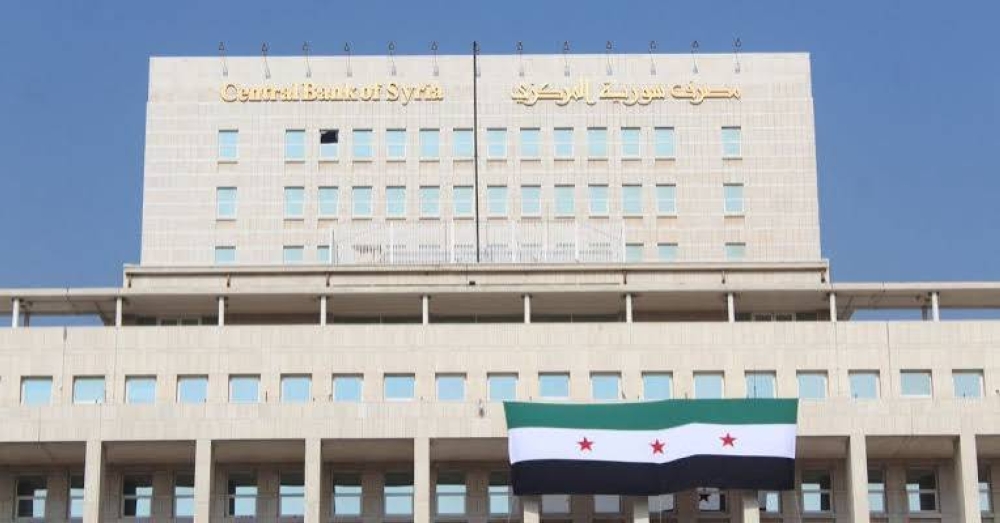
يبذل مصرف سورية المركزي جهوداً مكثفة لتتبع وحصر الأموال السورية المجمدة في الخارج، مع إعطاء الأولوية لإصلاح النظام المصرفي ليتماشى مع المعايير الدولية، بهدف تمكين البنوك المحلية من لعب دور فعال في إعادة إعمار البلاد.
جاء ذلك على لسان حاكم المصرف، عبد القادر الحصرية، في تصريحات أدلى بها لـ«الشرق بلومبيرغ» على هامش اجتماعات مجموعة البنك الإسلامي للتنمية في الجزائر.
ويعاني الاقتصاد السوري منذ عقود من تبعات العقوبات الاقتصادية والسياسية التي بدأت في 1979، وفرضت قيوداً شديدة على القطاعات الاقتصادية، ومنعت الوصول إلى التكنولوجيا الحديثة والمعدات اللازمة لتطوير البنية التحتية.
هذه العقوبات، التي شملت تجميد أصول مالية وتشديد القيود التجارية، أدت إلى تدهور القطاعات الصناعية والزراعية والمالية، ما أعاق التنمية وأثقل كاهل المواطنين.
وفي منتصف مايو الجاري 2025، أعلن الرئيس الأمريكي دونالد ترمب، خلال زيارته للرياض، رفع العقوبات عن سورية، مشيراً إلى أن القرار جاء استجابة لطلب ولي العهد الأمير محمد بن سلمان.
وبعد أيام، تبعه الاتحاد الأوروبي بقرار مماثل، مع تعهد بدعم جهود إعادة الإعمار.
وأوضح الحصرية أن رفع العقوبات الأمريكية يتطلب إجراءات تنفيذية من الرئيس ترمب، يمكن إتمامها خلال أسابيع، إلى جانب موافقة تشريعية من الكونغرس ومجلس الشيوخ قد تستغرق وقتاً أطول.
أما بالنسبة للاتحاد الأوروبي، فإن رفع العقوبات يتطلب توافق الدول الأعضاء الـ27، مع خطوات مماثلة من بريطانيا وكندا.
ويسعى المصرف المركزي إلى ضمان توافق البنوك السورية، التي تضم 6 بنوك حكومية و15 بنكاً خاصاً، مع المعايير الدولية وقوانين الحوكمة.
وأكد حاكم المصرف السوري أن هذه الإصلاحات تهدف إلى تعزيز قدرة البنوك على دعم مشاريع إعادة الإعمار، من خلال تحسين الشفافية وكفاءة العمليات المصرفية.
كما تعهد المصرف بدعم الشركاء الإستراتيجيين لاستئناف عملياتهم المصرفية في سورية، مشيراً إلى مفاوضات جارية مع بنوك عربية وأجنبية أبدت اهتماماً بالدخول إلى السوق السورية.
ومن المتوقع أن يعزز دخول هذه البنوك المنافسة ويحسن بيئة الأعمال.
وأشار الحصرية إلى أن جهود حصر الأموال المجمدة في الخارج تهدف إلى استعادة الأصول المالية التي ستساهم في تمويل مشاريع التنمية.
وأكد حاكم مصرف سورية أن استعادة عضوية بلاده في مجموعة البنك الإسلامي للتنمية ستتيح استئناف مشاريع متوقفة منذ سحب العضوية خلال النظام السابق.
وتشمل هذه المشاريع قطاعات حيوية مثل التعليم، والأمن الغذائي، والطاقة، مع مناقشات جارية لجدولة الديون المستحقة للبنك.
ويمثل رفع العقوبات انفراجة كبيرة للاقتصاد السوري، إذ سيفتح المجال أمام تدفق الاستثمارات الأجنبية وإعادة ربط سورية بالنظام المالي العالمي.
ومع ذلك، يواجه المصرف المركزي تحديات مثل نقص البيانات الاقتصادية الموثوقة وضعف الثقة في النظام المصرفي.
ويؤكد خبراء اقتصاديون أن نجاح هذه الجهود يتطلب إصلاحات هيكلية شاملة، بما في ذلك تحديث البنية التحتية المصرفية وتعزيز الشفافية.
وتشير التوقعات إلى أن هذه الخطوات قد تمهد الطريق لانتعاش اقتصادي تدريجي، مع تركيز على إعادة بناء البنية التحتية وتحسين مستوى معيشة المواطنين.
ومع دخول بنوك جديدة واستئناف التعاون مع مؤسسات دولية مثل البنك الإسلامي للتنمية، تتزايد الآمال في استعادة الاستقرار الاقتصادي في سورية.
The Central Bank of Syria is making intensive efforts to track and identify the frozen Syrian funds abroad, prioritizing the reform of the banking system to align with international standards, with the aim of enabling local banks to play an active role in the country's reconstruction.
This was stated by the bank's governor, Abdul Qader Al-Hosriya, in remarks made to "Asharq Bloomberg" on the sidelines of the Islamic Development Bank Group meetings in Algeria.
The Syrian economy has been suffering for decades from the repercussions of economic and political sanctions that began in 1979, imposing severe restrictions on economic sectors and preventing access to modern technology and the necessary equipment for infrastructure development.
These sanctions, which included freezing financial assets and tightening trade restrictions, have led to the deterioration of the industrial, agricultural, and financial sectors, hindering development and burdening citizens.
In mid-May 2025, U.S. President Donald Trump announced during his visit to Riyadh the lifting of sanctions on Syria, indicating that the decision came in response to a request from Crown Prince Mohammed bin Salman.
Days later, the European Union followed suit with a similar decision, pledging to support reconstruction efforts.
Al-Hosriya explained that lifting the U.S. sanctions requires executive actions from President Trump, which can be completed within weeks, along with legislative approval from Congress and the Senate that may take longer.
As for the European Union, lifting the sanctions requires consensus among the 27 member states, along with similar steps from Britain and Canada.
The Central Bank aims to ensure that Syrian banks, which include 6 state banks and 15 private banks, comply with international standards and governance laws.
The Syrian bank governor confirmed that these reforms aim to enhance the banks' ability to support reconstruction projects by improving transparency and the efficiency of banking operations.
The bank also pledged to support strategic partners in resuming their banking operations in Syria, noting ongoing negotiations with Arab and foreign banks that have expressed interest in entering the Syrian market.
The entry of these banks is expected to enhance competition and improve the business environment.
Al-Hosriya pointed out that efforts to identify frozen funds abroad aim to recover financial assets that will contribute to financing development projects.
The governor of the Central Bank of Syria confirmed that restoring his country's membership in the Islamic Development Bank Group will allow for the resumption of projects that have been halted since the withdrawal of membership during the previous regime.
These projects include vital sectors such as education, food security, and energy, with ongoing discussions to schedule the debts owed to the bank.
The lifting of sanctions represents a significant breakthrough for the Syrian economy, as it will open the door for foreign investment and reconnect Syria to the global financial system.
However, the Central Bank faces challenges such as a lack of reliable economic data and weak confidence in the banking system.
Economic experts emphasize that the success of these efforts requires comprehensive structural reforms, including updating the banking infrastructure and enhancing transparency.
Forecasts suggest that these steps may pave the way for a gradual economic recovery, focusing on rebuilding infrastructure and improving the living standards of citizens.
With the entry of new banks and the resumption of cooperation with international institutions such as the Islamic Development Bank, hopes are rising for the restoration of economic stability in Syria.