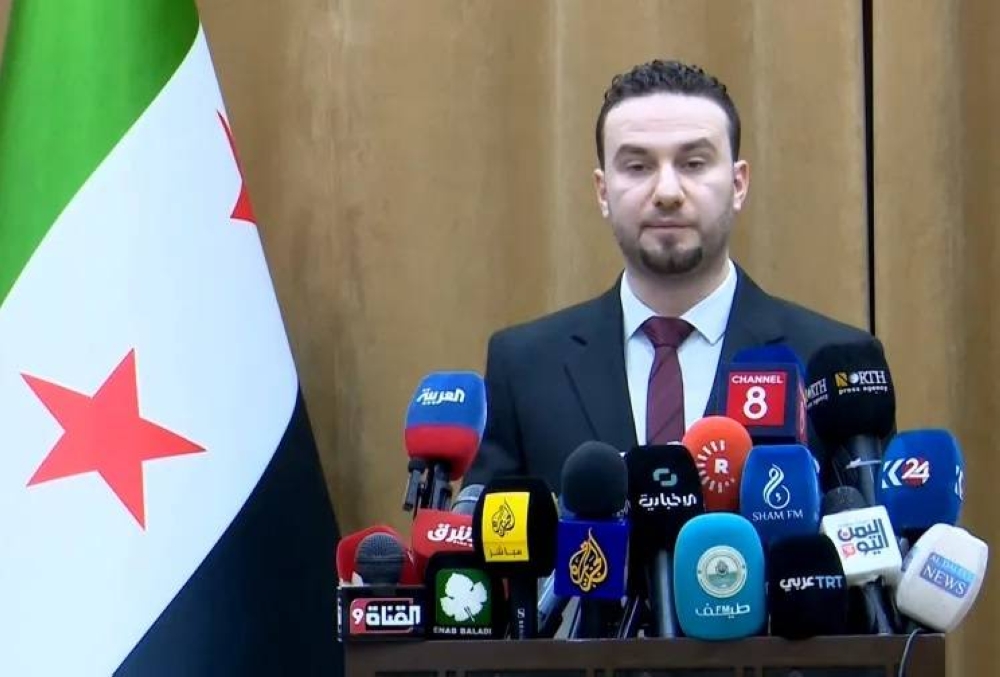
كشف المتحدث باسم وزارة الداخلية السورية نور الدين البابا اليوم (السبت) عن استحداث وتأسيس عدد من الإدارات الجديدة في إطار إعادة هيكلة شاملة للوزارة، والتوجه نحو تكريس مبادئ الشفافية والمشاركة المجتمعية، موضحاً خلال مؤتمر صحفي في دمشق أن ثلث الشعب السوري كان مطلوباً لاستخبارات نظام الأسد.
وأفصح البابا عن استحداث إدارة لمكافحة الإرهاب مهمتها متابعة أي خطر إرهابي بالتنسيق مع جهاز الاستخبارات وتوحيد جهازي الأمن العام والشرطة، تحت إدارة مركزية واحدة تسمى قيادة الأمن الداخلي، بالإضافة إلى استحداث إدارة أخرى لحرس الحدود لتأمين وحماية الحدود من أنشطة التهريب، إضافة إلى تأسيس إدارة خاصة للسجون والإصلاح بهدف تكريس العمل وفق مبادئ حقوق الإنسان، وإدارة لمكافحة الاتجار بالبشر.
وأشار إلى أنه تم استحداث إدارات منفصلة لكل من الاتصالات والشبكات المعلوماتية والأمن السيبراني وأمن الاتصالات، مبيناً أن حزمة من القوانين سيتم إصدارها بالتنسيق بين وزارتي الدفاع والداخلية للحد من ظاهرة السلاح المنفلت ووقف انتشاره.
ولفت إلى أنه تم تغيير اسم الأمن الجنائي لما له من ذكرى سلبية في ذاكرة السوريين إلى اسم إدارة المباحث الجنائية، موضحاً أن أكثر من ثمانية ملايين شخص، أي ما يقارب نحو ثلث الشعب السوري، كانوا مطلوبين من قبل أجهزة المخابرات والأمن التابعة للحكم السابق.
وقال المتحدث باسم وزارة الداخلية: عدد المطلوبين تقريباً من النظام السابق لأسباب سياسية تجاوز ثمانية ملايين مطلوب، مضيفاً: لدى ثلث الشعب السوري قيود مطلوبون بسببها أمنياً عند مخابرات وأجهزة النظام السابق.
وأكد البابا أن المطلوبين الأمنيين لا يزالون يشكلون تهديداً، متوعداً بتنفيذ حملات يومية بمختلف المحافظات لإلقاء القبض عليهم.
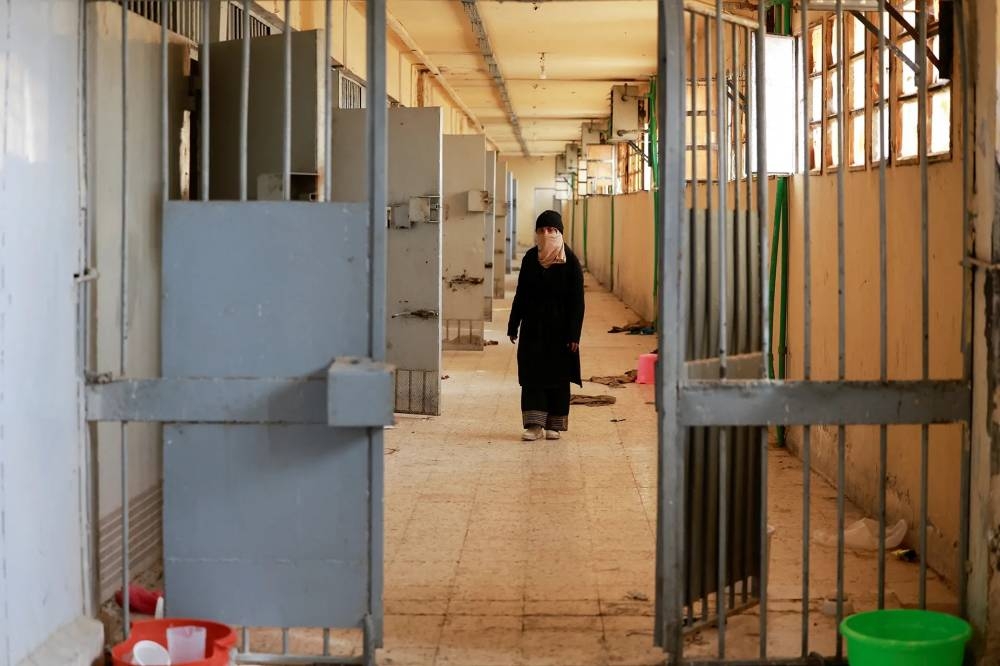
وكانت السلطات السورية منذ 7 ديسمبر الماضي قد أطلقت آلاف المعتقلين من السجون خصوصاً سجن صيدنايا سيئ الصيت، وتمكنت من الوصول إلى العديد من المقابر الجماعية لمساجين قضوا تحت التعذيب، وأطلقت آلية لحصر أعداد المفقودين خلال الحرب ومعرفة مصيرهم.
وتبذل السلطات السورية جهوداً كبيرة لمحاربة الإرهاب والقضاء عليه خصوصاً تنظيم داعش الإرهابي، عبر تنفيذ عدد من الحملات وملاحقة الجيوب في عدد من المدن.
The spokesperson for the Syrian Ministry of Interior, Nour al-Din al-Baba, revealed today (Saturday) the establishment of several new departments as part of a comprehensive restructuring of the ministry, aiming to reinforce the principles of transparency and community participation. He clarified during a press conference in Damascus that one-third of the Syrian population was wanted by the Assad regime's intelligence.
Al-Baba disclosed the creation of a counter-terrorism department tasked with monitoring any terrorist threats in coordination with the intelligence agency and unifying the public security and police forces under a single central administration called the Internal Security Command. Additionally, another department for border guards was established to secure and protect the borders from smuggling activities, along with a special department for prisons and rehabilitation to ensure operations are in line with human rights principles, and a department for combating human trafficking.
He pointed out that separate departments for communications, information networks, cybersecurity, and communication security have been established, indicating that a package of laws will be issued in coordination between the Ministries of Defense and Interior to curb the phenomenon of loose weapons and halt their spread.
He noted that the name of the criminal security has been changed due to its negative connotations in the memory of Syrians to the name of the Criminal Investigations Department, explaining that more than eight million people, approximately one-third of the Syrian population, were wanted by the intelligence and security agencies of the previous regime.
The spokesperson for the Ministry of Interior stated: "The number of those wanted for political reasons by the previous regime exceeds eight million," adding: "One-third of the Syrian population has security records for which they are wanted by the intelligence and security agencies of the previous regime."
Al-Baba confirmed that the security wanted individuals still pose a threat, vowing to carry out daily campaigns in various provinces to apprehend them.
Since December 7, the Syrian authorities have released thousands of detainees from prisons, particularly the notorious Sednaya prison, and have managed to locate many mass graves of prisoners who died under torture. They have also launched a mechanism to account for the missing during the war and to ascertain their fate.
The Syrian authorities are making significant efforts to combat and eliminate terrorism, especially the ISIS terrorist organization, through executing several campaigns and pursuing pockets in various cities.