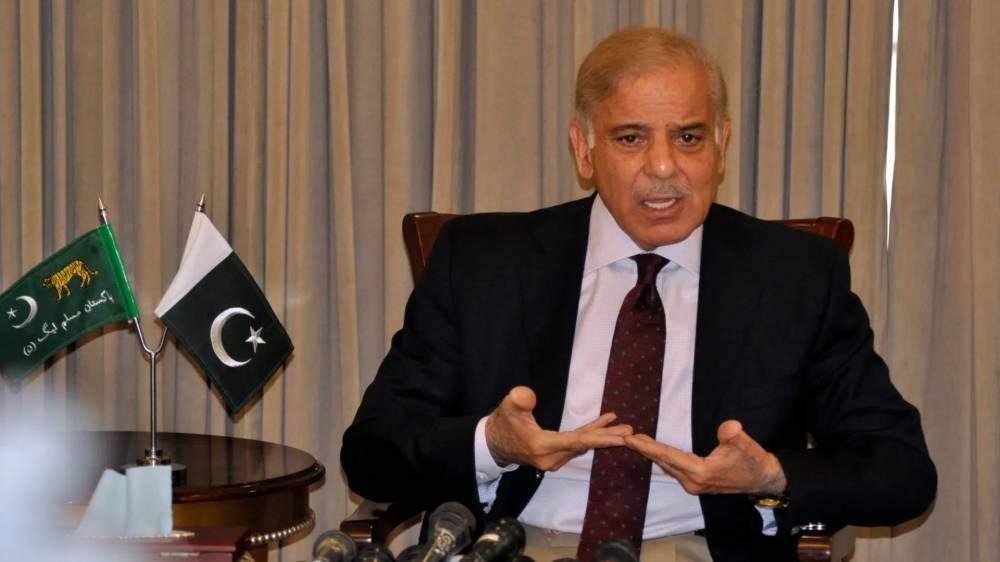
في خطوة قد تفتح نافذة جديدة في علاقات متوترة بين الجارتين النوويتين، أعلن رئيس الوزراء الباكستاني شهباز شريف أن السعودية يمكن أن تكون «مكاناً محايداً» لاستضافة محادثات بين باكستان والهند بشأن عدد من القضايا الشائكة.
ونقلت صحيفة «داون» الباكستانية عن شريف قوله: «الصين لا يمكن أن تكون منصة مناسبة لهذه المفاوضات»، مشيراً في حديث مغلق مع مجموعة من مذيعي القنوات التلفزيونية في مقر رئاسة الوزراء إلى أن التوتر بين البلدين بدأ بالانخفاض عقب اتصالات مباشرة جرت بين مديري العمليات العسكرية في البلدين، ما فتح المجال لاحتمال استئناف الحوار.
وأضاف أن مستشار الأمن القومي الباكستاني سيترأس وفد بلاده في حال انعقاد المفاوضات، مشدداً على أن أجندة الحوار، من وجهة نظر إسلام آباد، ينبغي أن تشمل ملفات «كشمير، والمياه، والتجارة، والإرهاب» مجتمعة، وليس بشكل منفصل.
ولفت إلى أن قرار ترقية قائد الجيش الجنرال سيد عاصم منير إلى رتبة مشير ميداني اتخذه شخصياً رغم أن القرار أثار جدلاً، مبيناً أنه استشار شقيقه الأكبر رئيس حزب الرابطة الإسلامية نواز شريف قبل اتخاذ هذا القرار.
وقال شريف: «أنا دائماً أتشاور مع نواز شريف قبل اتخاذ أي قرار مهم، وهذا ما حدث أيضاً في حالة ترقية الجنرال عاصم منير».
بالمقابل، قال رئيس الوزراء الهندي ناريندرا مودي اليوم إن باكستان لن تحصل على مياه من الأنهار، التي «تتمتع الهند بحقوق استخدامها»، مضيفاً خلال فعالية عامة: «ستدفع باكستان ثمناً باهظاً لكل هجوم إرهابي، سيدفعه الجيش الباكستاني، وسيدفعه الاقتصاد الباكستاني».
وكانت التوترات تصاعدت بين إسلام آباد ونيودلهي على خلفية هجومٍ دامٍ وقع في أبريل داخل الشطر الهندي من كشمير وأسفر عن مقتل 26 شخصاً، وألقت الهند باللوم على باكستان واتهمتها بدعم المسلحين الذين يقفون وراء الهجوم، وهو ما نفته باكستان وأكدت أن لا صلة لها به.
In a move that could open a new window in the tense relations between the two nuclear neighbors, Pakistani Prime Minister Shahbaz Sharif announced that Saudi Arabia could be a "neutral place" to host talks between Pakistan and India on a number of contentious issues.
The Pakistani newspaper "Dawn" quoted Sharif as saying: "China cannot be a suitable platform for these negotiations," noting in a closed discussion with a group of television channel broadcasters at the Prime Minister's office that tensions between the two countries have begun to decrease following direct communications between the military operations directors of both countries, which has opened the door to the possibility of resuming dialogue.
He added that the Pakistani National Security Advisor would head his country's delegation if negotiations were to take place, emphasizing that the agenda for dialogue, from Islamabad's perspective, should include the files of "Kashmir, water, trade, and terrorism" collectively, and not separately.
He pointed out that the decision to promote Army Chief General Syed Asim Munir to the rank of Field Marshal was made by him personally, despite the controversy it sparked, indicating that he consulted his elder brother, the leader of the Pakistan Muslim League Nawaz, Nawaz Sharif, before making this decision.
Sharif said: "I always consult Nawaz Sharif before making any important decision, and this was also the case with the promotion of General Asim Munir."
In contrast, Indian Prime Minister Narendra Modi stated today that Pakistan will not receive water from the rivers, which "India has the rights to use," adding during a public event: "Pakistan will pay a heavy price for every terrorist attack, which will be paid by the Pakistani army and the Pakistani economy."
Tensions had escalated between Islamabad and New Delhi following a deadly attack that occurred in April in the Indian-administered part of Kashmir, which resulted in the deaths of 26 people. India blamed Pakistan and accused it of supporting the militants behind the attack, which Pakistan denied, asserting that it had no connection to it.