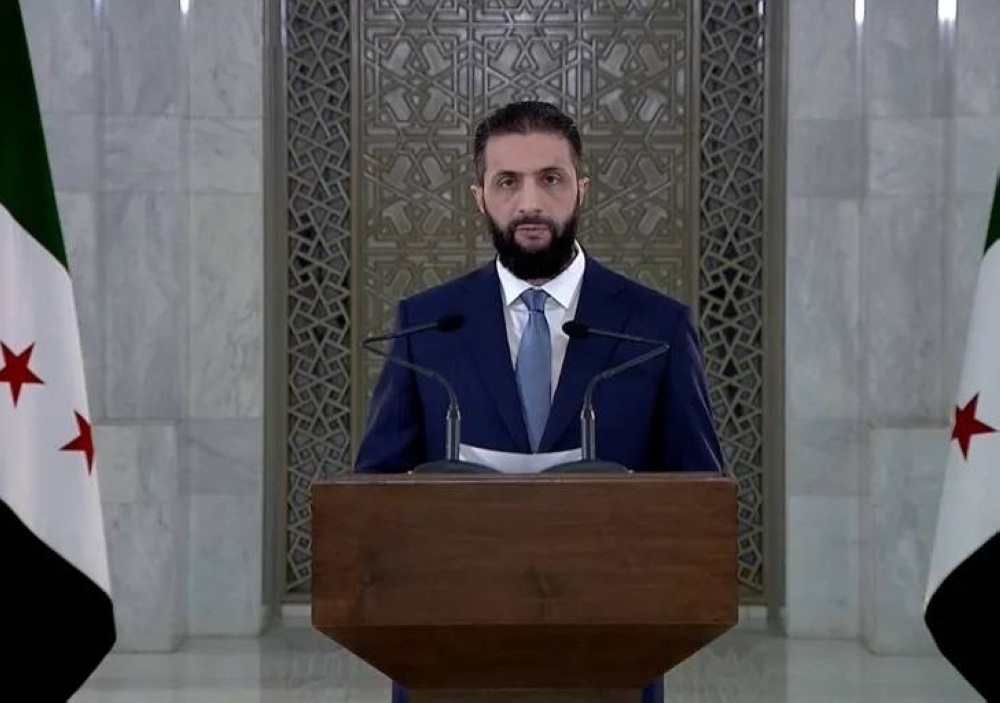
في خطوة لحماية حقوق ضحايا حكم الرئيس السابق بشار الأسد، أعلنت السلطات السورية تشكيل هيئتين للعدالة الانتقالية والمفقودين.
وتعهدت الحكومة السورية بالمضي نحو عدالة انتقالية شاملة وإنشاء هيئة خاصة، ومحاسبة المسؤولين عن الجرائم المرتكبة خلال سنوات النزاع الذي اندلع عام 2011، وضمان عدم تكرار الانتهاكات، وسط دعوات من المجتمع الدولي لتطبيق العدالة الانتقالية بعد 14 عاماً من نزاع مدمّر.
وتسعى السلطات السورية إلى معالجة ملفين من الأكثر تعقيداً في المرحلة الانتقالية عقب إطاحة نظام بشار الأسد، الذي تتهمه السلطات ومؤسسات حقوقية محلية ودولية بارتكاب جرائم تعذيب وقتل وإخفاء قسري داخل السجون.
وألقت السلطات السورية خلال الأشهر الماضية القبض على عشرات العسكريين والأمنيين السابقين الذين يشتبه بتورطهم في جرائم حرب.
ووقع الرئيس أحمد الشرع، على المرسوم الذي قضى بتشكيل الهيئة الجديدة المعنية بكشف الحقيقة حول الانتهاكات الجسيمة التي تسبب فيها النظام السابق، ومساءلة ومحاسبة المسؤولين عنها بالتنسيق مع الجهات المعنية، وجبر الضرر الواقع على الضحايا، وترسيخ مبادئ عدم التكرار والمصالحة الوطنية.
وأسند الشرع رئاسة الهيئة لعبدالباسط عبداللطيف، كما كلفه بتشكيل فريق العمل ووضع النظام الداخلي خلال مدة لا تتجاوز 30 يوماً من تاريخ هذا الإعلان، كما أصدر قراراً منفصلاً بتشكيل الهيئة الوطنية للمفقودين، التي تهدف إلى كشف مصير آلاف من المخفيين قسراً.
ولا يزال هناك عشرات الآلاف من المعتقلين والمفقودين من الموروثات المروعة للنزاع السوري الذي اندلع عام 2011، وبدأ باحتجاجات سلمية مناهضة للأسد قمعتها السلطات بعنف.
وكلفت الهيئة بالبحث والكشف عن مصير المفقودين والمختفين قسراً، وتوثيق الحالات، وإنشاء قاعدة بيانات وطنية، وتقديم الدعم القانوني والإنساني لعائلاتهم.
ويرأس الهيئة محمد رضا خلجي الذي عيّن في مارس الماضي عضواً في اللجنة المكلفة بصياغة مسودة إعلان دستوري.
In a step to protect the rights of the victims of former President Bashar al-Assad's regime, the Syrian authorities announced the formation of two bodies for transitional justice and the missing.
The Syrian government has pledged to move towards comprehensive transitional justice and to establish a special body, holding accountable those responsible for the crimes committed during the conflict that erupted in 2011, and ensuring that violations do not recur, amid calls from the international community for the implementation of transitional justice after 14 years of devastating conflict.
The Syrian authorities are seeking to address two of the most complex files in the transitional phase following the ousting of Bashar al-Assad's regime, which is accused by authorities and local and international human rights organizations of committing crimes of torture, murder, and enforced disappearance within prisons.
In recent months, the Syrian authorities have arrested dozens of former military and security personnel suspected of involvement in war crimes.
President Ahmad al-Shara signed the decree establishing the new body tasked with uncovering the truth about the serious violations caused by the previous regime, holding accountable those responsible in coordination with the relevant authorities, compensating the victims, and reinforcing the principles of non-recurrence and national reconciliation.
Al-Shara appointed Abdul-Baset Abdul-Latif as the head of the body and tasked him with forming a working team and establishing internal regulations within a period not exceeding 30 days from the date of this announcement. He also issued a separate decision to form the National Body for the Missing, which aims to uncover the fate of thousands of those who have been forcibly disappeared.
There are still tens of thousands of detainees and missing persons from the horrific legacies of the Syrian conflict that erupted in 2011, which began with peaceful protests against Assad that were violently suppressed by the authorities.
The body has been tasked with searching for and uncovering the fate of the missing and forcibly disappeared, documenting cases, creating a national database, and providing legal and humanitarian support to their families.
The body is headed by Mohammed Reda Khalji, who was appointed last March as a member of the committee tasked with drafting a constitutional declaration.