


تقود بريطانيا والولايات المتحدة حراكاً دبلوماسياً لضمان استمرار وقف إطلاق النار بين الهند وباكستان. وقال وزير الخارجية البريطاني ديفيد لامي في ختام زيارة لإسلام آباد، اليوم (السبت)، «سنواصل العمل مع الولايات المتحدة لضمان التوصل إلى وقف دائم لإطلاق النار وإجراء الحوار والعمل مع باكستان والهند على كيفية التوصل إلى تدابير بناء الثقة بين الجانبين».
ورداً على سؤال عن تعليق الهند معاهدة مياه نهر السند ما يهدد بالضغط على إمدادات المياه لباكستان، أكد لامي أن بلاده تحث جميع الأطراف على الوفاء بالتزاماتها بموجب المعاهدة.
وأعلنت باكستان أن بريطانيا والولايات المتحدة، إضافة إلى دول أخرى، اضطلعت بدور رئيسي في تهدئة القتال، لكن الكثير من الدبلوماسيين يعتقدون أن وقف إطلاق النار لا يزال هشاً.
والتقى لامي أمس الجمعة نظيره الباكستاني إسحاق دار في إسلام آباد حيث ناقشا وقف إطلاق النار. ودعت إسلام آباد إلى التأكد من التزام الهند بخفض التصعيد مؤكدة التزامها بذلك، لكنها قالت إنه لن يكون لديها خيار إلا الرد إذا استأنفت الهند عملياتها العدائية. وتبادلت الجارتان النوويتان، الخميس، الاتهامات بسوء إدارة الترسانة النووية.
وكان وزير الدفاع الهندي راجناث سينغ اعتبر أنه «يجب وضع الترسانة النووية الباكستانية تحت إشراف الوكالة الدولية للطاقة الذرية».
وردت باكستان، من جهتها، عبر بيان لوزارة الخارجية جاء فيه «إذا ما كان هناك داع للقلق بالنسبة إلى الوكالة الدولية للطاقة الذرية والأسرة الدولية، فإنه بشأن عمليات السرقة المتكررة والحوادث المرتبطة بالاتجار بمواد نووية وإشعاعية في الهند».
واتفقت الهند وباكستان في العاشر من شهر مايو الجاري على وقف إطلاق النار بعد أسوأ قتال بينهما منذ نحو 3 عقود، الذي أعقب هجوماً دموياً على سياح اتهمت نيودلهي إسلام آباد بالضلوع فيه، بينما نفت باكستان ذلك.
حراك أمريكي بريطاني لتهدئة دائمة بين الهند وباكستان
17 مايو 2025 - 14:20
|
آخر تحديث 17 مايو 2025 - 14:20
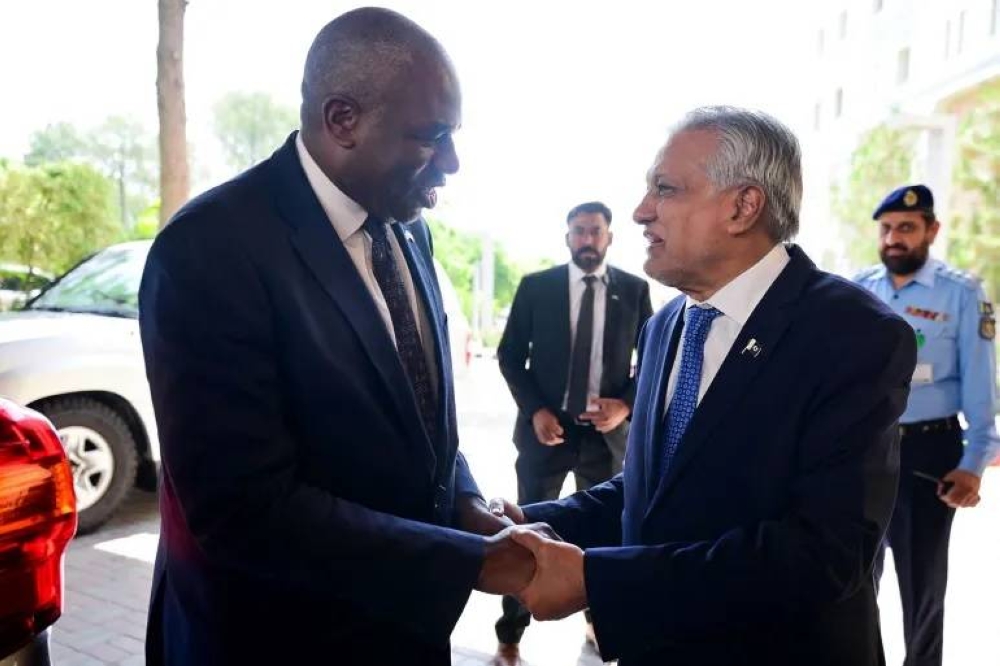
وزير الخارجية البريطاني ونظيره الباكستاني.


تابع قناة عكاظ على الواتساب
«عكاظ» (جدة) okaz_online@
Britain and the United States are leading diplomatic efforts to ensure the continuation of the ceasefire between India and Pakistan. British Foreign Secretary David Lammy said at the end of a visit to Islamabad today (Saturday), “We will continue to work with the United States to ensure a permanent ceasefire is reached and to engage in dialogue and work with Pakistan and India on how to achieve confidence-building measures between the two sides.”
In response to a question about India's suspension of the Indus Water Treaty, which threatens to pressure Pakistan's water supplies, Lammy emphasized that his country urges all parties to fulfill their commitments under the treaty.
Pakistan announced that Britain and the United States, along with other countries, played a key role in calming the fighting, but many diplomats believe that the ceasefire remains fragile.
Lammy met with his Pakistani counterpart Ishaq Dar in Islamabad on Friday, where they discussed the ceasefire. Islamabad called for ensuring India's commitment to de-escalation, affirming its own commitment, but stated that it would have no choice but to respond if India resumed its hostile operations. The two nuclear neighbors exchanged accusations on Thursday regarding the mismanagement of their nuclear arsenals.
Indian Defense Minister Rajnath Singh stated that “Pakistan's nuclear arsenal should be placed under the supervision of the International Atomic Energy Agency.”
Pakistan, for its part, responded through a statement from the Foreign Ministry, which said, “If there is a cause for concern for the International Atomic Energy Agency and the international community, it is regarding the repeated thefts and incidents related to the trafficking of nuclear and radiological materials in India.”
India and Pakistan agreed on May 10 to a ceasefire after the worst fighting between them in nearly three decades, which followed a bloody attack on tourists that New Delhi accused Islamabad of being involved in, while Pakistan denied this.


