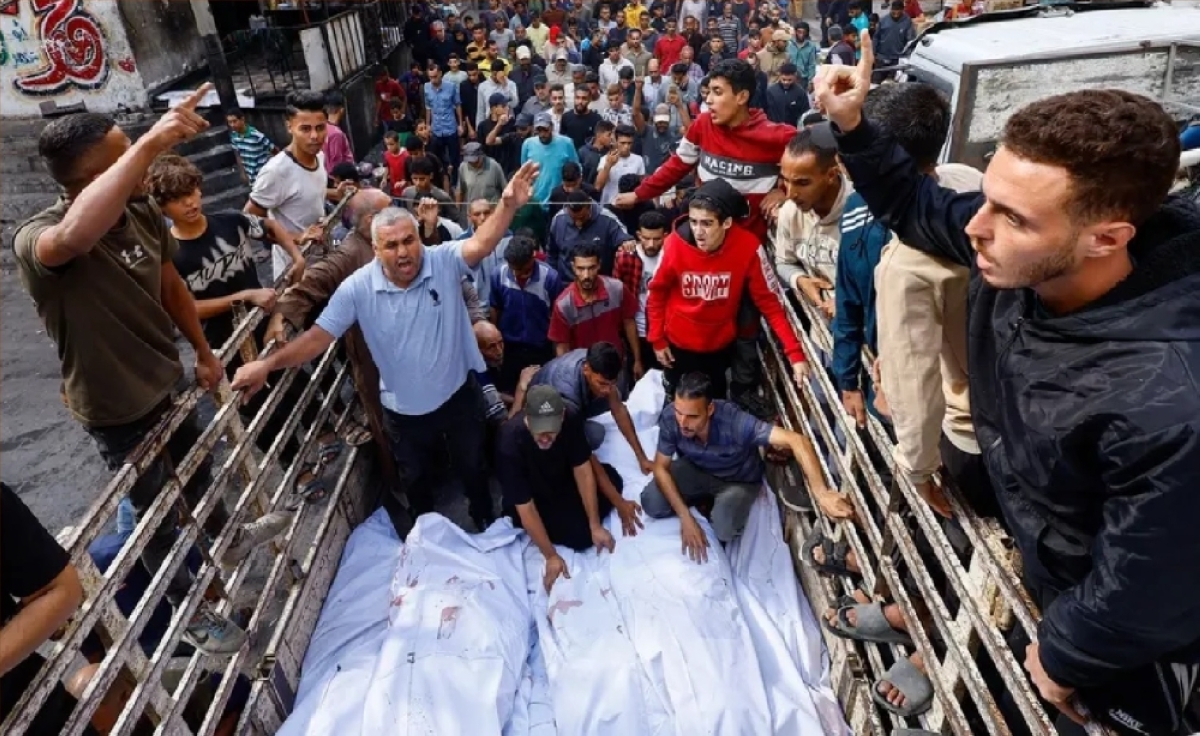
ليس في المشهد الإسرائيلي ما يوحي بعودة إلى منطق التسويات، فالضربات التي وجهت إلى غزة لم تكن نتاجاً طارئاً أمنياً بقدر ما كانت انعكاساً لقرار سياسي مكتمل؛ قرار يعبر عن مأزق داخلي عميق أكثر مما يعكس توتراً عسكرياً على الحدود مع قطاع غزة.
نتنياهو لم يفتح النار لأن حماس خرقت الهدنة، بل لأنه بات يشعر أن الجمود نفسه يهدده. وحين يتآكل الهدوء في الداخل، يبحث رئيس وزراء الاحتلال عن صدى قصف يعيد إليه صورته الأولى: رجل القرار حين تضيع البوصلة.
ما جرى في الأيام الماضية هو أكثر من عملية محدودة وأقل من حرب مفتوحة. إنه تصعيد محسوب على إيقاع السياسة لا على إيقاع الميدان.
فالهدنة التي خرجت من قمة شرم الشيخ باتت تواجه الانهيار في أية لحظة. فإسرائيل تقول إنها ما زالت متمسكة بها، لكنها تمارس كل ما يناقضها. تضرب ثم تتحدث عن التهدئة، وتهاجم ثم تدعو إلى ضبط النفس. هكذا تتحول الهدنة إلى غطاء ناعم لسياسة صلبة، يراد منها القول: نحن لا نريد الحرب، لكننا لن نتردد في إشعالها متى احتجنا إلى رمادها سياسياً.
عقدة الردع وهاجس الصورة
في العمق، تسكن الذهنية الإسرائيلية عقدة الردع أكثر من هاجس الأمن. كل صاروخ يطلق على غزة هو تذكير للداخل بأن إسرائيل ما زالت تملك اليد العليا، وبأن صورتها لم تتصدع بعد. فالمعركة هنا ليست على الجبهة، بل في الوعي العام.
والحكومة التي تعاني انقساماً وتراجعاً في الثقة، تبحث في القوة عن تماسك مفقود. لذلك تبدو العملية الأخيرة كأنها استعراض لاستعادة الهيبة لا لحسم عسكري.
نتنياهو يضرب كي لا يُضرب في الداخل
العبارة ليست مجازاً بل توصيف دقيق لمعادلة يعيشها الرجل منذ أشهر. فكلما ضاقت عليه السياسة اتسع أمامه خيار القوة. الضربات في غزة تمنحه مساحة تنفّس في وجه معارضيه، وتعيد ترتيب أجندة النقاش الداخلي حول «الأمن القومي» بدلاً من ملفات الفساد والانقسام. إنها لعبة تحويل الأنظار، لكن بثمن دموي يُدفع دائماً من الطرف الأضعف.
خطاب مزدوج ومشهد أمريكي داعم
اللافت أن نتنياهو يوازن بين ضرباته وصمته. يوجّه النار بقدر ما تتيح له السياسة، ويكبحها حين يقترب خطر الانفلات الدولي. في خطابه المزدوج، يقول للعالم إن إسرائيل ما زالت تحت سقف الهدنة، ويقول لجمهوره إن لا هدنة من دون ردع. وبين الرسالتين يتسع الفراغ الذي يبتلع كل حديث عن سلام أو استقرار.
المشهد الأمريكي يزيد التناقض وضوحاً. فالرئيس دونالد ترمب أعلن دعمه الكامل للغارات الإسرائيلية، مؤكداً «حق إسرائيل في الرد»، لكنه أضاف أن «اتفاق وقف إطلاق النار لا يزال صامداً».
هذا المزيج من التبرير السياسي والغطاء الدبلوماسي هو ما يمنح نتنياهو حرية التحرك: يقصف تحت مظلة الشرعية، ويصمت العالم لأنه يسمع واشنطن أولاً.
ترمب، بدوره، لا يتحدث بلغة المبادئ، بل بلغة الصفقة. فحماس بالنسبة إليه «جزء صغير من المعادلة»، والشرق الأوسط مساحة لإعادة توزيع النفوذ لا لحماية الهدوء.
غزة بين الصمت والترقب
في المقابل، تتابع حماس التصعيد بصمت محسوب. الصمت هنا ليس حياداً بل جزء من إستراتيجية دقيقة لموازنة الخطر السياسي والميداني. قيادة الحركة تدرك أن أي رد مباشر في هذه المرحلة سيمنح إسرائيل ذريعة لتصعيد شامل، ما يضغط على القاهرة وواشنطن والدول العربية في آن واحد.
مع ذلك، استمرار القصف وسقوط الضحايا يخلق مخاطر انفلات غير محسوب قد يفرض على الجناح العسكري خطوات محدودة تعيد قواعد الاشتباك إلى ما قبل شرم الشيخ، وهو احتمال يحذر منه كبار المراقبين الإسرائيليين، الذين يعتبرون أن «الهدوء في غزة صار رهناً بضبط الأعصاب لدى الطرفين».
ـ إلى أين يتجه الصراع ؟
قمة شرم الشيخ، التي رُسمت كمساحة أمل، تبدو اليوم في مهب إعادة التفسير؛ إسرائيل تراها تفاهماً مصلحياً لا التزاماً سياسياً، والعواصم العربية التي شاركت فيها تشعر بأن الضمانات التي أعطتها تُستنزف مع كل صاروخ جديد.
المشهد الراهن يطرح أسئلة أكبر من الضربات نفسها: إلى أين يتجه الصراع إذا استمر هذا النسق من التصعيد الموزون؟ هل تستطيع الهدنة أن تصمد أمام لعبة القوة الداخلية والخارجية، أم أن كل غارة جديدة ستعيد رسم قواعد الاشتباك من جديد؟
كما يطرح القرار الإسرائيلي تساؤلاً إستراتيجياً عن حدود السياسة القائمة على الردع والهجمات الميدانية: هل يمكن للحكومة أن تحافظ على توازنها الداخلي من دون دفع المنطقة نحو انفجار شامل؟ أم أن كل خطوة لحماية الزعيم تحمل في طياتها احتمال إشعال مواجهة أوسع؟
في النهاية، الضربات على غزة ليست مجرد أحداث عسكرية، بل معيار اختبار لصمود الاتفاقيات، للضوابط الإقليمية، ولقدرة الأطراف كافة على ضبط أعصابها في لحظة تشهد فيها السياسة صراعاً دائم الإيقاع مع القوة.
There is nothing in the Israeli scene that suggests a return to the logic of settlements; the strikes directed at Gaza were not the result of a sudden security emergency as much as they were a reflection of a complete political decision; a decision that expresses a deep internal crisis more than it reflects military tension on the border with the Gaza Strip.
Netanyahu did not open fire because Hamas violated the ceasefire, but because he feels that the very stagnation threatens him. When calm erodes internally, the Prime Minister of the occupation seeks the echo of bombardment to restore his original image: the man of decision when the compass is lost.
What has happened in recent days is more than a limited operation and less than an open war. It is a calculated escalation in rhythm with politics, not in rhythm with the field.
The ceasefire that emerged from the Sharm El-Sheikh summit is now facing collapse at any moment. Israel claims it is still committed to it, yet it practices everything that contradicts it. It strikes and then talks about de-escalation, it attacks and then calls for restraint. Thus, the ceasefire transforms into a soft cover for a hard policy, intended to convey the message: we do not want war, but we will not hesitate to ignite it whenever we need its ashes politically.
The Deterrence Dilemma and the Image Anxiety
At its core, the Israeli mentality is more concerned with the deterrence dilemma than with security anxiety. Every rocket fired at Gaza is a reminder to the interior that Israel still holds the upper hand, and that its image has not yet shattered. The battle here is not on the front, but in public consciousness.
The government, which suffers from division and a decline in trust, seeks cohesion in strength. Therefore, the recent operation appears to be a display of restoring prestige rather than achieving a military resolution.
Netanyahu Strikes to Avoid Being Struck Internally
This phrase is not a metaphor but an accurate description of the equation the man has been living for months. The tighter politics become for him, the broader the option of force expands. The strikes in Gaza provide him with breathing space against his opponents and rearrange the agenda of internal discussion around "national security" instead of corruption and division files. It is a game of distraction, but at a bloody cost always paid by the weaker side.
Dual Discourse and a Supportive American Scene
It is striking that Netanyahu balances between his strikes and his silence. He directs fire as much as politics allows him, and restrains it when the danger of international backlash approaches. In his dual discourse, he tells the world that Israel is still under the roof of the ceasefire, and tells his audience that there is no ceasefire without deterrence. Between the two messages, the void widens, swallowing any talk of peace or stability.
The American scene increases the contradiction's clarity. President Donald Trump announced his full support for the Israeli airstrikes, affirming "Israel's right to respond," but he added that "the ceasefire agreement is still holding."
This mix of political justification and diplomatic cover is what grants Netanyahu the freedom to act: he bombs under the umbrella of legitimacy, and the world remains silent because it hears Washington first.
Trump, for his part, does not speak in terms of principles, but in terms of deals. For him, Hamas is "a small part of the equation," and the Middle East is a space for redistributing influence, not for protecting calm.
Gaza Between Silence and Anticipation
In contrast, Hamas continues the escalation with calculated silence. The silence here is not neutrality but part of a precise strategy to balance political and field dangers. The movement's leadership understands that any direct response at this stage would give Israel a pretext for a comprehensive escalation, putting pressure on Cairo, Washington, and the Arab states simultaneously.
Nonetheless, the continuation of bombardment and the falling of casualties creates risks of uncalculated escalation that may compel the military wing to take limited steps that return the rules of engagement to what they were before Sharm El-Sheikh, a possibility warned against by senior Israeli observers, who consider that "calm in Gaza has become contingent on the restraint of both parties."
Where is the Conflict Heading?
The Sharm El-Sheikh summit, which was drawn as a space of hope, now seems to be in the wind of reinterpretation; Israel sees it as a self-serving understanding, not a political commitment, and the Arab capitals that participated feel that the guarantees they provided are being depleted with every new rocket.
The current scene raises larger questions than the strikes themselves: where is the conflict heading if this pattern of measured escalation continues? Can the ceasefire withstand the game of internal and external power, or will every new raid redraw the rules of engagement anew?
The Israeli decision also raises a strategic question about the limits of a policy based on deterrence and field attacks: can the government maintain its internal balance without pushing the region towards a comprehensive explosion? Or does every step to protect the leader carry within it the potential to ignite a wider confrontation?
In the end, the strikes on Gaza are not just military events, but a test of the resilience of agreements, of regional controls, and of all parties' ability to maintain their composure at a moment when politics is in a constant rhythmic struggle with power.